Managers choosing one main coffee
You need a blend for guests who drink coffee black or add milk, alongside a pack that staff can store and replenish during breakfast service.


For a hotel breakfast buffet serving mixed preferences, start by considering a smooth or mild instant coffee as the main blend; JDE Professional describes its Kenco Smooth and Douwe Egberts Pure Gold professional products in those terms. Add a clearly labelled stronger coffee or decaf when guest demand or the hotel’s service plans call for it. Choose jars, larger packs or portion sticks against expected use, preparation routines and supplier terms before ordering in volume.
You need a blend for guests who drink coffee black or add milk, alongside a pack that staff can store and replenish during breakfast service.
You are deciding whether requests for stronger coffee or decaf justify separate, clearly labelled options at the buffet.
You need a repeatable preparation routine and straightforward replenishment, particularly when staff make the drinks.
Choose the main flavour profile first, then decide whether demand warrants extra choices and which pack format fits the way breakfast is served.
| Priority | What to check | Your needs |
|---|---|---|
| Main blend | Compare the stated flavour profile and intended pack use. JDE Professional describes Kenco Smooth as a smooth medium roast for hotels and catering, and Douwe Egberts Pure Gold as mild and balanced. | I need one starting option for guests with different preferences, whether they drink their coffee black or add milk. |
| Stronger choice | Check whether a second blend has a distinct stated profile and can be labelled separately. JDE Professional describes Kenco Rich and Douwe Egberts Classic Roast as fuller-bodied choices. | Guests ask for a more robust cup, but I do not want that preference to determine the only coffee on offer. |
| Decaf | Check the exact product and pack format, then plan separate containers and clear buffet labels. JDE Professional lists decaffeinated instant coffees in professional packs and sticks. | I want guests choosing decaf to identify it without confusing it with the regular blend. |
| Portions and packs | Compare pack size, preparation instructions, expected portions and replenishment. JDE Professional specifies one Douwe Egberts Pure Gold stick per approximately 125 ml cup; a jar or tin needs its own product-specific dosing routine. | During a busy service, staff need to prepare or refill coffee consistently without choosing a pack larger than the operation can use. |
| Ingredient information | Check current labels and supplier information for the coffee and accompaniments. Food Standards Agency-commissioned research describes written signs and menu signposting among the ways participating food businesses communicated allergen information. | Guests need clear information about what is served, including milk, creamers or other additions at the coffee station. |
A fuller-bodied option serves a different preference from a mild or smooth blend. JDE Professional distinguishes Kenco Rich and Douwe Egberts Classic Roast from its smoother products.
Consider a smooth main blend for mixed preferences, and add a labelled stronger choice if guest requests support it.
A listed jar or tin size does not establish the delivery, minimum-order or replenishment terms needed for ongoing buffet service.
Confirm the current product, delivery arrangements, minimum order and shelf-life on delivery with the intended supplier before committing to a breakfast line.
Guests may struggle to distinguish the choices if similar-looking packs or dispensers are not identified at the point of use.
Use separate, prominently labelled containers and check their contents when staff replenish them.
The coffee station may include milk, creamers or other additions as well as the instant coffee itself.
Check the delivered labels and current supplier information whenever a product changes, and keep the station’s ingredient and allergen information aligned with what is served.
These brand references describe particular product lines and formats, not a comparison of every product each brand sells or a guarantee of supply.
JDE Professional lists Smooth, Rich and Decaffeinated freeze-dried coffees in professional pack formats.
JDE Professional lists mild Pure Gold, fuller-bodied Classic Roast and individually portioned coffee sticks.
Tesco Groceries lists a 750 g Nescafé Gold Blend tin as a larger-format option.
Sainsbury’s listings identify 100 g Classique, Intense and decaffeinated instant coffees.
Tesco Groceries lists Tesco Gold Instant Coffee in a 500 g tin.
Its UK instant-coffee category includes Gold Roast, Rich Roast and Gold Roast Decaffeinated lines.
These jars and multipacks offer smooth-style main-coffee options and separately labelled decaf choices for a hotel buffet. Compare their sizes with expected portions and replenishment needs; the list is not a selection of stronger blends or portion sticks.
 No image available
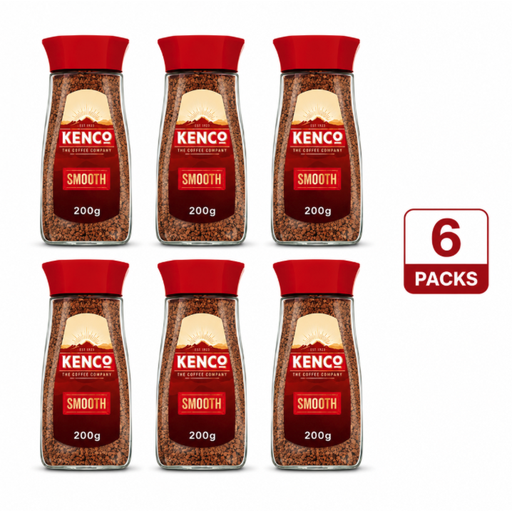
Consider this smooth-named blend for a main coffee when a six-pack suits the replenishment routine. The stated pack is 200 g x 6; check expected portions, storage and supplier terms against the hotel’s service volume.
 No image available
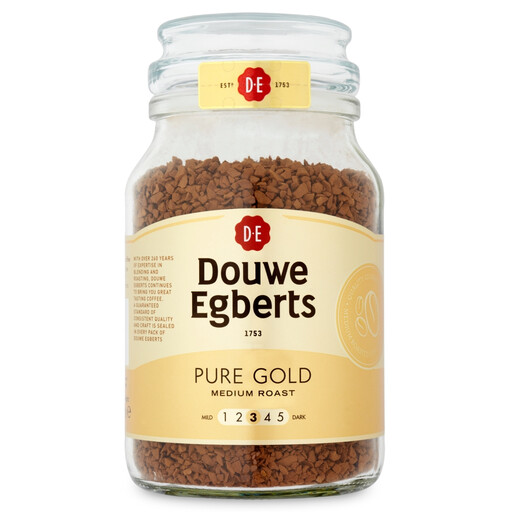
This medium-roast option is a candidate for the main buffet coffee. Its stated size is 190 g; check how many jars and how often replenishment would be needed for the expected breakfast service.
 No image available
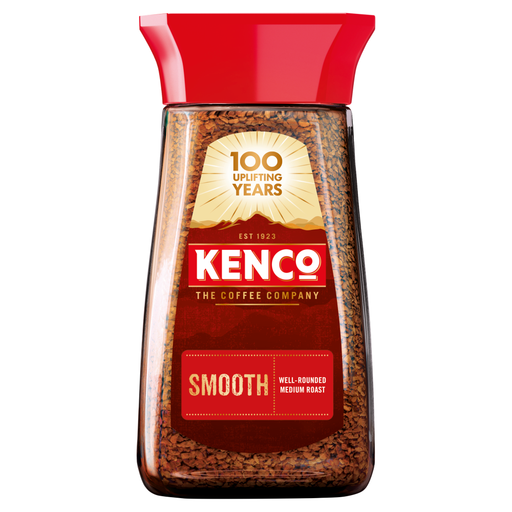
Consider this single 200 g pack when assessing a smooth-style main coffee. Check its own preparation instructions and expected portions rather than treating it as the same supply format as the six-pack above.
 No image available
This 100 g decaf coffee is a separate buffet choice, not a replacement for the regular main blend. Keep it clearly labelled and check whether its pack size fits expected decaf demand and replenishment.
 No image available
This 300 g decaf option provides a distinct choice alongside regular coffee. Plan a separate label and compare expected decaf portions with the pack size before setting a replenishment routine.
A smooth or mild blend is a reasonable starting point when one coffee must serve mixed preferences. JDE Professional describes its Kenco Smooth and Douwe Egberts Pure Gold professional products in those terms; add a stronger choice separately if guest requests justify it.
Offer a separate decaf when guest expectations or the hotel’s service plans call for it. Label it clearly and keep it distinct from regular coffee; JDE Professional lists decaf instant coffee in professional packs and portion sticks.
Sticks are worth considering when fixed portions and individual replenishment suit the service routine. JDE Professional specifies one 1.5 g Douwe Egberts Pure Gold stick per approximately 125 ml cup; compare that preparation basis and the handling of individual wrappers with a bulk format before choosing.
Use the preparation instructions on each product’s current pack rather than assuming the same dose works for every blend or format. For example, JDE Professional gives a one-stick, approximately 125 ml preparation basis for its Pure Gold portion sticks.
Keep information aligned with the coffee and accompaniments actually served, including milk, creamers and any other additions. Food Standards Agency-commissioned research describes written signs, menu signposting and written information among the communication methods used by participating food businesses; check current product labels and the hotel’s procedures when the offer changes.