Regular coffee-making households
If several people make mugs at home, compare jar size and the pack’s serving guidance with the space available for storage. A larger jar is useful only if its contents suit the household’s rate of use.


For a less pronounced coffee alongside biscuits, start with a jar described as smooth; if you prefer the coffee flavour to stand out, look at fuller-flavoured options. Compare jar size with how often you make coffee, and choose a refill only if you have a suitable jar to reuse. Treat strength numbers as a guide within a range, not a scale shared by every brand.
How quickly a jar is used, the flavour wanted beside biscuits and whether an existing jar can be refilled all change the choice.
If several people make mugs at home, compare jar size and the pack’s serving guidance with the space available for storage. A larger jar is useful only if its contents suit the household’s rate of use.
Look at the maker’s tasting notes if you want a gentler cup or a more pronounced coffee flavour alongside sweet or buttery biscuits. Strength numbers are most useful when comparing products within the same range.
A refill calls for a suitable jar to reuse and storage that follows the pack directions. If caffeine matters to your choice, distinguish clearly between caffeinated and decaffeinated products and check the current label.
Choose the cup style first, then check whether the pack size, serving directions and format work for the way you make coffee.
| Priority | What to check | Your needs |
|---|---|---|
| Flavour style | Read tasting notes and any stated strength. Sainsbury's describes its Costa Rican Taste the Difference jar as strength 3 with caramel and chocolate notes, and its Colombian jar as strength 4 with sweet, nutty notes; those numbers describe that range. | I would prefer a smoother coffee beside biscuits, or a more pronounced flavour when I add milk. |
| Jar size and servings | Compare net weight and the serving dose on each pack. Nescafé says its 100g Original jar makes approximately 55 mugs at 1.8g of coffee with 200ml of water; using a different dose changes the yield. Check storage and best-before information too. | A jar should fit how often coffee is made in my household, rather than take up space for longer than I expect to use it. |
| Refills and disposal | Check that you have a suitable jar for the refill and follow its storage directions. For an emptied glass jar, Recycle Now advises a quick rinse and replacing the lid; check what your local collection accepts. | I would consider a refill if I already have a jar I can keep using. I also want to know how to dispose of the empty packaging locally. |
| Decaf and labelling | Check whether the particular product is decaffeinated. Read the current pack for its ingredients, allergen information and preparation directions rather than relying on another product in the range. | If caffeine or an ingredient matters to my choice, I want information for the exact jar I am buying. |
A serving estimate depends on the stated dose, and a larger jar may not fit a household that makes coffee only occasionally.
Check the pack’s preparation and storage directions, then choose a size you expect to use within its labelled guidance.
The strength 3 and strength 4 markings on Sainsbury's Costa Rican and Colombian jars help distinguish those two products; they do not establish a common scale for other brands.
Use the tasting notes to narrow your choice, and consider a smaller jar when trying an unfamiliar flavour.
A refill still needs an appropriate container and storage that follows the product directions. A packaging comparison made by one manufacturer does not describe every refill and jar.
Check the refill format, keep the jar clean and dry, and follow local instructions for disposing of the empty packaging.
Availability and product information on a retailer page can change before you buy.
Check the current listing, then read the physical pack for ingredients, allergen information, quantity, storage directions and date marking.
These brand ranges illustrate different jar and refill formats; a range description does not establish the characteristics of every product bearing that brand.
Original, Gold and refill formats offer different starting points for a familiar jar or a reusable-jar routine.
Its UK range includes Smooth, Gold Indulgence, Decaff and paper refill options.
Pure Gold provides another branded instant-coffee jar to consider alongside familiar and own-label ranges.
Classique is a smaller freeze-dried jar option for someone considering a rich-and-smooth flavour description.
Tesco Gold offers an own-label jar to compare with branded instant coffees.
Its own-label range includes Gold Roast jars and smaller Taste the Difference origin jars.
These jars offer several pack sizes and flavour descriptions for coffee breaks with biscuits, including a decaffeinated option. Use the details for each jar rather than assuming that a serving estimate for one product applies to another.
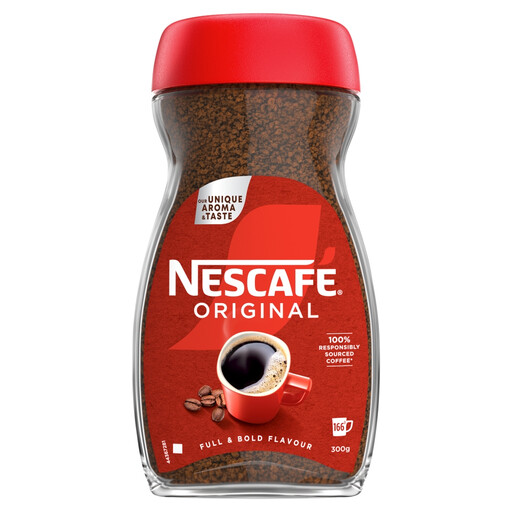 No image available
Consider this 300g jar if coffee is made regularly and you prefer the full, bold flavour Nescafé describes for Original. Check this pack’s serving and storage directions when deciding whether the larger size suits you.
 No image available
This 300g decaffeinated option suits someone seeking the Original range in a larger jar without choosing its caffeinated version. Check the current pack if its serving directions or caffeine information matter to your choice.
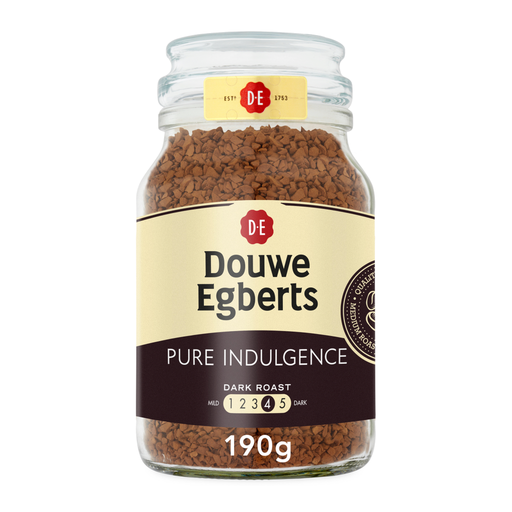 No image available
The 190g size offers an alternative to the 300g jars if you want a different amount of coffee at home. Check the current pack’s roast description and preparation directions to see whether its cup style suits your biscuits.
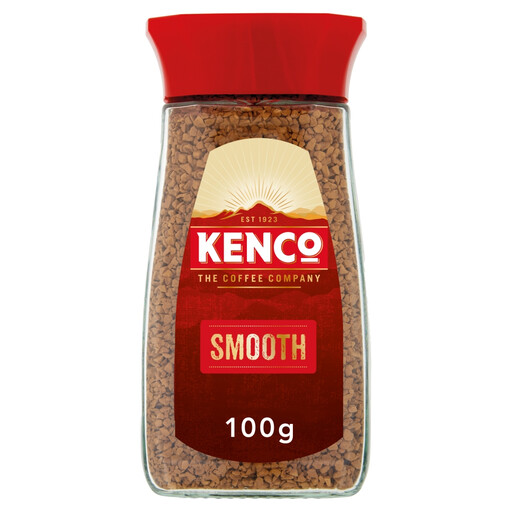 No image available
A 100g jar to consider if you want a smaller pack and the smooth profile described for this coffee. Follow the current pack’s preparation directions to judge the strength of your own cup.
 No image available
This 195g jar sits between the smaller 100g and larger 300g options shown here. Kenco describes Gold Indulgence as full but delicate; check the current pack’s flavour and serving directions before choosing it for your usual coffee break.
Start with the flavour description: a smooth-profile coffee may suit a quieter cup, while a fuller-flavoured one may suit you if you add milk or want the coffee to remain noticeable beside a sweet biscuit. Use stated strength to compare products within the same range, then check the jar’s size and preparation directions.
It depends on the dose stated for that jar and how much coffee you use. Nescafé estimates approximately 55 mugs from its 100g Original jar using 1.8g of coffee with 200ml of water; the checked 100g Sainsbury's Taste the Difference origin jars also state approximately 55 servings. Using more coffee per mug reduces the number you make.
Consider a refill when you already have a suitable clean, dry jar to reuse and can store the coffee as directed on the refill pack. Kenco and Nescafé offer paper refill formats, but check the particular product and its instructions rather than assuming every refill suits every jar.
Recycle Now advises emptying and quickly rinsing glass jars, then replacing their lids so the lids are less likely to be lost during sorting. Check your local collection guidance for the jar and its packaging components.
Yes. Check the current physical pack for ingredients, allergen information, net quantity, storage directions and date marking, as well as the preparation instructions you will use to estimate servings.