Hosts serving a mixed group
A smooth or medium-roast regular jar gives guests a less forceful flavour choice. A 190g jar is a starting size for planning multiple mugs, but the amount used per drink determines how far it goes.


For a mixed Bonfire Night group, a 190g smooth or medium-roast regular coffee is a starting point. At NESCAFÉ’s guidance of 1.8g coffee per 200ml mug, 190g would make approximately 105 mugs; stronger servings reduce that number. Choose a bolder jar if guests prefer one, and add a separate decaf jar if anyone wants to avoid regular coffee.
The mix of guests matters more than choosing one flavour for every mug.
A smooth or medium-roast regular jar gives guests a less forceful flavour choice. A 190g jar is a starting size for planning multiple mugs, but the amount used per drink determines how far it goes.
If the intended drinkers favour a more robust flavour, look at jars described as rich or dark roasted rather than assuming the main coffee must suit everyone.
Set out a distinct decaf jar for those guests. Making regular instant coffee weaker changes its strength in the mug; it does not make it decaf.
Start with the number of mugs you expect to serve, then choose flavours and a decaf option around the people attending.
| Priority | What to check | Your needs |
|---|---|---|
| Servings | Check jar weight and the pack’s serving guidance. NESCAFÉ specifies 1.8g coffee with 200ml water for a standard mug; at that measure, 190g makes approximately 105 mugs. Using more coffee reduces the count. | I want enough coffee for guests to have more than one mug, allowing for anyone who makes theirs stronger. |
| Flavour | Compare the maker’s roast and intensity descriptions. NESCAFÉ describes Gold Blend as medium roasted; Kenco rates Rich at intensity 9. Brand descriptions indicate a flavour direction, not a shared taste-test scale. | For mixed tastes, I’d start with a smoother regular coffee. If I know guests favour a robust cup, I can choose a bolder jar as well. |
| Decaf | Check that the exact jar is labelled decaf and confirm its pack size. Kenco lists Decaf in 95g and 190g jars, separately from its regular coffees. | Some guests want a decaf coffee, so I need a separate jar rather than a weaker serving of the regular one. |
| Container and disposal | If choosing a refill, check that you already have a suitable clean container. For an empty glass jar, Recycle Now advises emptying and quickly rinsing it, then replacing the lid; check local collection rules. | I want a jar that works for serving drinks now, with a clear way to deal with the container afterwards. |
A 190g jar makes approximately 105 mugs only at NESCAFÉ’s 1.8g-per-mug preparation measure. Larger scoops mean fewer servings.
Use the chosen pack’s instructions to plan quantities, especially if guests tend to make strong coffee.
Kenco positions its intensity-9 Rich coffee for people who prefer a more robust cup. That preference may differ across guests.
When tastes are uncertain, make a smoother or medium-roast jar the main choice and add a bolder one if there is demand for it.
Regular instant coffee still contains caffeine when prepared with less powder. NESCAFÉ states that its regular Original and Gold coffees contain 50mg to 90mg per 2g serve.
Choose a separately labelled decaf product for guests avoiding regular coffee, and check the exact pack before serving.
Pack size and product details can distinguish one listing from another, even when the brand and range look familiar.
Check the full name, weight and product details on the current listing against the jar you intend to buy.
These range descriptions help narrow a flavour or decaf choice; they do not establish which coffee every guest will prefer.
Gold Blend is offered as a 190g medium-roast regular coffee, while Gold Blend Intense is a 190g dark-roast alternative.
Rich and Decaf offer different choices for a group that wants both regular coffee and a decaf option.
Pure Gold is listed by Sainsbury’s as a 190g freeze-dried, medium-roast instant coffee.
Sainsbury’s lists 100g freeze-dried jars in Classique and decaffeinated versions.
These jars cover regular coffee for sharing, another regular-coffee choice and a separate decaf option. Check the exact pack and serving instructions before planning quantities for your gathering.
 No image available
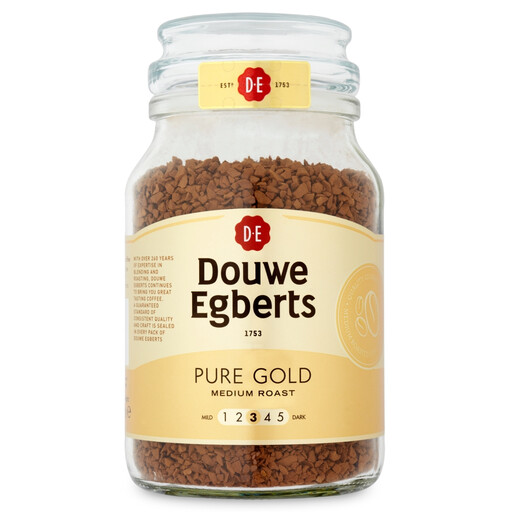
A 190g regular-coffee option for serving several guests. Sainsbury’s describes Pure Gold as freeze-dried, medium roasted and strength 3. Check the pack’s serving guidance when planning how many mugs to make.
 No image available
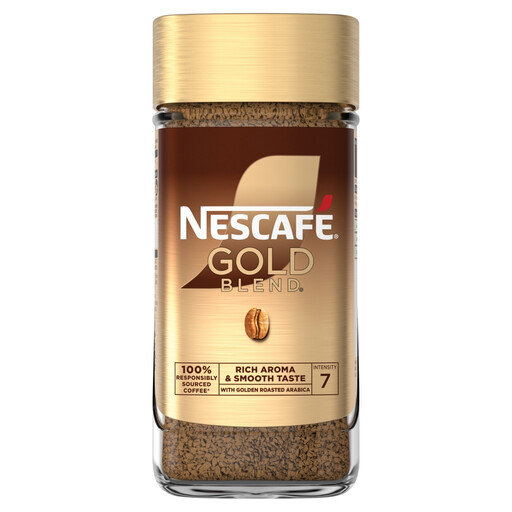
A 190g regular jar to consider for mixed tastes. NESCAFÉ describes Gold Blend as a smooth, medium-roast coffee and gives a standard preparation measure of 1.8g per 200ml mug; use the amount you intend to serve when planning quantities.
 No image available
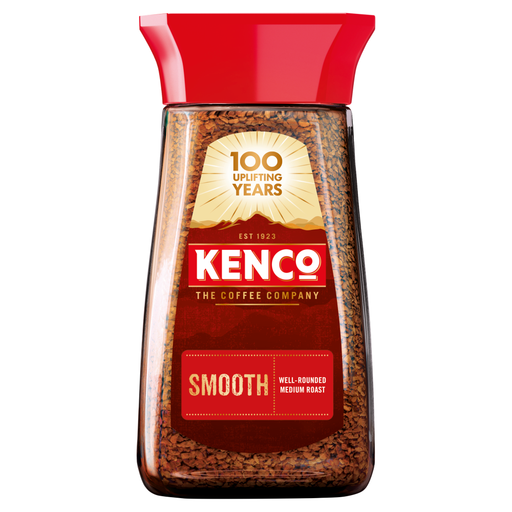
A 200g smooth-labelled instant coffee to consider when serving a regular coffee to a group. Check its own preparation instructions before estimating the number of mugs.
 No image available
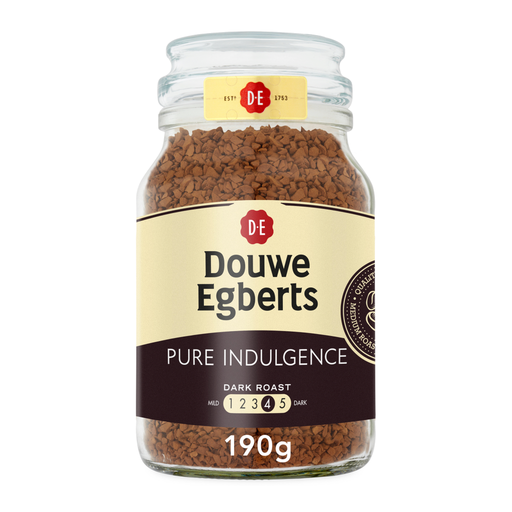
A 190g coffee option if you want a second regular jar for guests to choose from. Check the pack’s roast description and serving guidance to decide whether it fits their preferences and the number of mugs planned.
 No image available
A separate 190g decaf jar for guests who do not want the regular coffee. Check the exact pack and its preparation guidance before serving.
At NESCAFÉ’s standard measure of 1.8g coffee with 200ml water per mug, 190g makes approximately 105 mugs. That is a planning estimate based on that measure, not a promised yield for every product or serving strength; using more coffee per mug reduces the count.
A smooth or medium-roast regular jar is a starting choice when preferences are uncertain. Choose a bolder main jar if you know guests favour one: Kenco positions its intensity-9 Rich coffee for a more robust taste, while NESCAFÉ describes Gold Blend as smooth and medium roasted.
Add one when guests want a decaf choice alongside regular coffee. Kenco lists Decaf in 95g and 190g sizes; check the exact pack when buying and keep it distinct when serving.
Recycle Now advises emptying and quickly rinsing glass jars, then putting lids and caps back on. Check your local collection or recycling-point rules for how to present them.
Keep hot-drink service away from the fire and fireworks area. Devon and Somerset Fire and Rescue Service recommends an organised display as the safer way to enjoy Bonfire Night; if you are hosting a private bonfire, check guidance from your local fire and rescue service before the event.