Hosts serving guests with different tastes
A smooth or medium-profile main jar gives guests a regular coffee choice without making a deliberately intense blend the only option. Estimate the number of cups before choosing a size.


For a book club with mixed tastes, a smooth or medium-profile regular coffee is a practical main jar; choose its size by estimating how many cups guests will make. Ask whether anyone would prefer decaf, and reserve a more distinctive blend for a group that has expressed that preference.
A smooth or medium-profile main jar gives guests a regular coffee choice without making a deliberately intense blend the only option. Estimate the number of cups before choosing a size.
A separate, clearly identified decaf jar lets guests choose without treating a smaller serving of regular coffee as a substitute.
If attendees have asked for a more pronounced coffee, an intense or roast-and-ground blend may be worth considering. Check its ingredients so the format matches what guests expect.
Start with the group’s flavour and decaf preferences, then use the jar size and preparation directions to plan how much coffee to serve.
| Priority | What to check | Your needs |
|---|---|---|
| Flavour profile | Read the maker’s roast or intensity description. Check whether the coffee is described as smooth, medium or more pronounced; these descriptions are not independent taste results. | For a group with mixed preferences, I’d start with a smooth or medium-profile regular jar. If members have asked for a bolder cup, I can choose accordingly. |
| Jar size and servings | Compare pack weight and any stated serving count with the directions per cup. Sainsbury’s lists 55 servings for its Gold Roast 200g jar when prepared using its stated one-teaspoon measure. | I want enough for the cups I expect to make, allowing for guests who use more coffee per cup. |
| Decaf choice | Choose a distinctly labelled decaf jar if needed. NESCAFÉ states that its regular Original and Gold coffees contain 50mg–90mg caffeine per 2g serve; a smaller serving is not the same as choosing decaf. | If someone would rather avoid regular coffee, I’d like to offer a separate decaf option. |
| Ingredients and format | Check whether the jar contains only soluble coffee or also roast-and-ground coffee. Tesco lists Carte Noire Whole Bean Instant 95g as 85% instant coffee and 15% roast-and-ground coffee. | I want to know what is in the jar, particularly if guests have ingredient questions or expect plain soluble coffee. |
| Current pack details | Confirm the ingredients, preparation directions and pack contents on the current label before serving, especially if a listing describes a blend or a multi-jar pack. | Before the meeting, I want to know which jar I’m serving and how its directions say to prepare it. |
An intense or roast-and-ground blend may suit guests who ask for it, but its profile differs from a smooth regular jar.
When preferences are unknown, choose a smooth or medium-profile main jar and add a more pronounced option if the group wants one.
Serving counts depend on the measure used per cup. Sainsbury’s states 55 servings for its Gold Roast 200g jar and directs users to use one teaspoon per cup; extra coffee changes the number of cups you can make.
Estimate the cups needed, then check each jar’s weight, serving information and preparation directions.
Some products also contain roast-and-ground coffee. Tesco lists Carte Noire Whole Bean Instant 95g as 85% instant coffee and 15% roast-and-ground coffee.
Read the current ingredients and product description if the coffee’s format matters to your guests.
Pack information can change, so an earlier description may not match the jar you serve.
Check the current label for ingredients and directions, and confirm the jar you want is available before the meeting.
These product-line details can help narrow your choice; they do not establish how a coffee will taste to every guest.
NESCAFÉ lists Original in 100g, 190g and 300g jars and Gold Blend in 95g and 190g formats.
Kenco offers Smooth for a regular coffee choice and a separately labelled Decaf line.
Sainsbury’s lists Pure Gold as a 190g freeze-dried instant coffee.
Whole Bean Instant 95g is an option for a group interested in an instant and roast-and-ground blend.
Tesco Gold Instant Coffee is listed as a 200g regular-coffee jar.
Sainsbury’s Gold Roast is a 200g jar with a stated serving count.
These jars cover regular and decaf choices for a book club, including a smaller regular jar and a listing described as a multi-jar pack. Check the pack you receive against the number of cups you plan to serve.
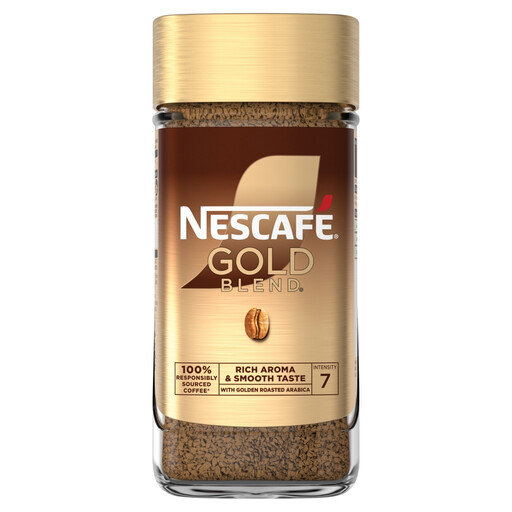 No image available
A regular jar to consider when you want the smooth, well-rounded profile described by NESCAFÉ. The listing states 190g; check the current jar’s ingredients, as its product descriptions differ on roast-and-ground content.
 No image available
A separate decaffeinated option if guests want a choice alongside regular coffee. The listing identifies a 300g jar of decaffeinated soluble coffee; use the current pack directions to estimate how many cups it will make.
 No image available
A 190g decaffeinated jar for offering a distinct choice without selecting the 300g format. Check the current label for preparation directions when planning servings.
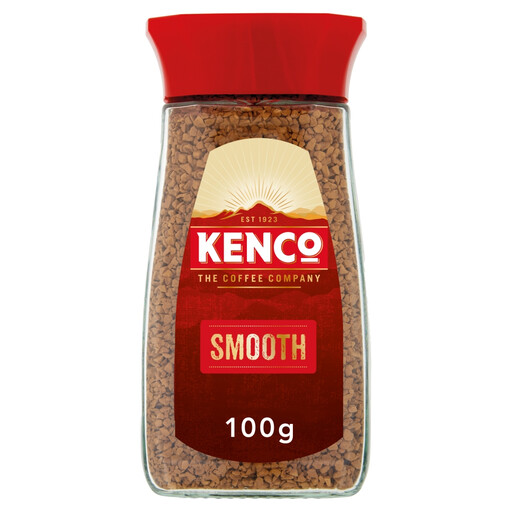 No image available
A smaller regular jar described in the listing as smooth and medium-roast. Check whether 100g covers the expected cups, and read the current ingredients if the distinction between plain instant and a roast-and-ground blend matters.
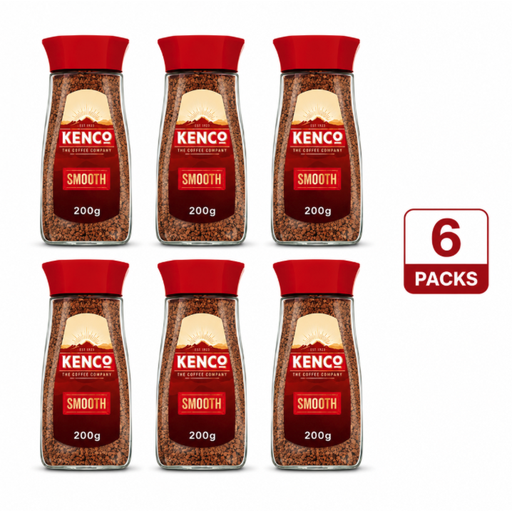 No image available
The title describes a multi-jar option for repeated gatherings. Confirm the number of jars and net quantity per jar before ordering: the title says 200g x 6, while the description gives a 200g net quantity without clarifying the bundle contents. Check the current label if roast profile matters.
Estimate the number of cups, then compare the jar’s serving count with its preparation directions. Sainsbury’s states 55 servings for Gold Roast 200g using its one-teaspoon-per-cup direction; using more coffee per cup reduces that yield.
A smooth or medium-profile regular jar is a practical starting point when guests’ preferences are mixed or unknown. If the group has asked for a more pronounced coffee, check the roast and ingredients before choosing it; Tesco lists Carte Noire Whole Bean Instant 95g as containing 15% roast-and-ground coffee.
Ask guests if possible, and offer a separate, clearly identified decaf jar when someone wants that choice. Regular coffee is not a substitute: NESCAFÉ states that its Original and Gold coffees contain 50mg–90mg caffeine per 2g serve.
Follow the directions on the jar you serve. Tesco and Sainsbury’s direct users to add hot, not boiling water for their listed own-brand coffees; the amount of coffee per cup varies by product. For NESCAFÉ Gold Blend 190g, the Joybuy product information says to store it in a cool, dry place.