People making coffee before work
If you prepare a cup quickly at home or beside a workplace kettle, choose a flavour you will want regularly and a pack you can store at that preparation point.


Choose an instant-coffee jar for the cup you make on a workday: a smooth or balanced option if you dislike bitterness, a richer-tasting option if you prefer a more pronounced flavour, or decaf if reducing caffeine is the priority. Check the pack format and where you will keep it; a refill is practical only if you already have a suitable container. An intensity number describes flavour rather than reliably indicating caffeine content.
If you prepare a cup quickly at home or beside a workplace kettle, choose a flavour you will want regularly and a pack you can store at that preparation point.
Start with a coffee described as smooth or balanced rather than choosing by brand name or the highest intensity number. Your usual amount of water and milk also matters to how the cup tastes.
Look for a decaffeinated product rather than treating a milder flavour as a sign of less caffeine. Check the exact jar’s information if you need to keep track of your intake.
Start with the coffee you want to drink, then check how you will prepare and store it during the working week.
| Priority | What to check | Your needs |
|---|---|---|
| Preparation | Read the directions on the jar and check that you have hot water, a mug and a spoon where you make coffee. NESCAFÉ suggests about 1.8g, or one teaspoon, with 200ml hot water for a typical serving of its coffee. | I make coffee before leaving or at work, so I want a method I can repeat without adjusting it from scratch each morning. |
| Flavour | Compare smooth or balanced descriptions with rich or robust ones, particularly if you drink coffee black or add milk. NESCAFÉ explains that strength scales generally describe flavour intensity, not caffeine; numbers need not mean the same thing across brands. | If bitterness puts me off, I would start with a smoother description. If I prefer a more pronounced taste with milk, I would look at richer-tasting options. |
| Caffeine | Check whether the exact product is regular or decaffeinated. If tracking caffeine, look for information tied to that jar and its stated serving size rather than using its flavour-intensity rating. | I want a decaf option for occasions when I am reducing caffeine, without having to guess from how strong the coffee tastes. |
| Pack and storage | Decide whether you need a jar at a fixed preparation point or have a suitable clean container for a refill. Follow the current pack’s storage directions; Sainsbury’s Gold Roast, for example, says to keep its jar cool and dry and replace the cap after use. | A jar kept at home or work suits my routine. I would choose a refill only if I already have somewhere appropriate to keep the coffee. |
An intensity number can lead you towards a flavour you do not want without answering how much caffeine is in your cup. NESCAFÉ describes strength scales as guides to flavour intensity rather than caffeine content.
Choose flavour using the roast or taste description. For caffeine reduction, check the exact product’s caffeine information or choose a clearly labelled decaffeinated coffee.
A larger quantity commits you to the same taste for more cups, whether you drink it black or with milk.
If the flavour is unfamiliar, start with a smaller jar or a profile you already know you like before choosing a multi-jar pack.
These brand and retailer examples illustrate different flavour and format choices; each description applies to the named products, not every coffee in a range.
NESCAFÉ Original is a regular instant coffee offered in jars and refill packs, according to the manufacturer.
Kenco describes Smooth, Rich and Decaf as distinct instant-coffee options.
Sainsbury’s Gold Roast is a 200g freeze-dried instant coffee labelled “Smooth & Rich” and “3 Medium”.
Tesco’s instant-coffee range includes Tesco Finest Americano, Intenso and Decaffeinated Americano alongside branded products.
Sainsbury’s describes Carte Noire Intense as a 100g freeze-dried instant coffee made from a dark-roast Arabica and Robusta blend.
These jars and multi-jar packs cover decaffeinated, smooth-tasting and fuller-flavoured choices for coffee made at home or work. Check the individual pack format before choosing one for your routine.
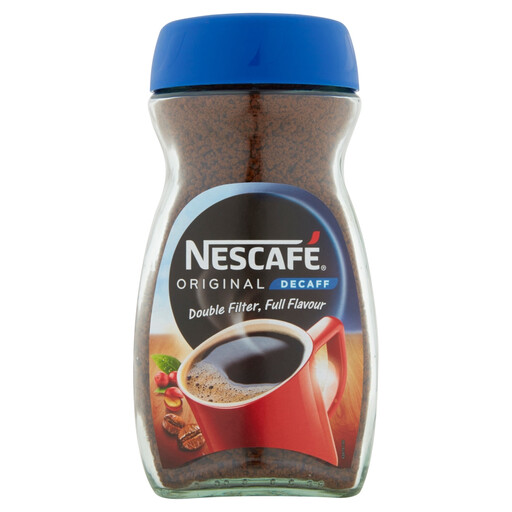 No image available
A 200g decaffeinated coffee jar for a regular preparation point at home or work. Keep it in a cool, dry place; check the current label if you are tracking caffeine per serving.
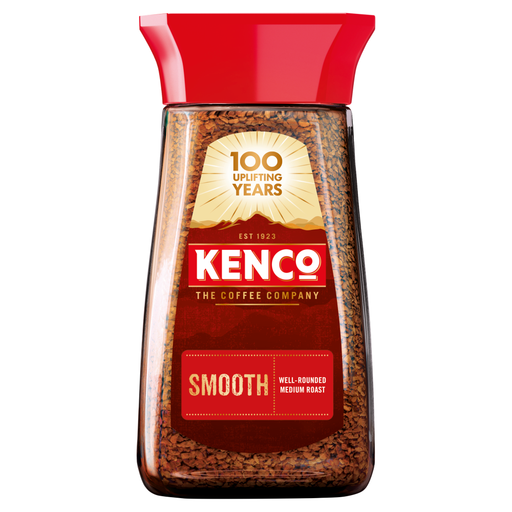 No image available
A 200g option for someone seeking Kenco’s smoother-tasting regular coffee. Its preparation guidance starts with one to two teaspoons and hot water; check the jar’s caffeine information if you are limiting intake.
 No image available
A 300g decaffeinated instant-coffee option for a kitchen or workplace preparation point. Store it in a cool, dry place and consult the current label if caffeine per serving matters to you.
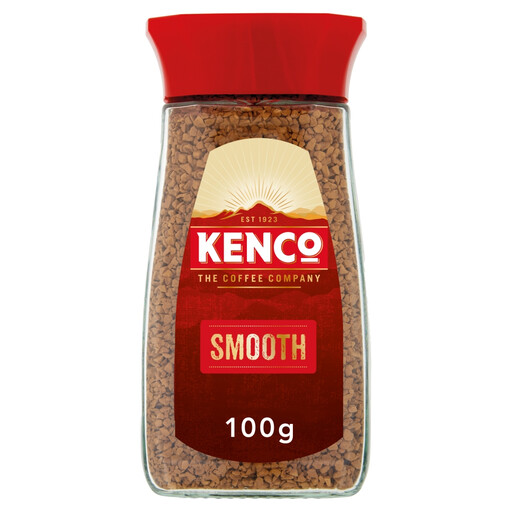 No image available
A 100g Kenco Smooth option if you want to try this flavour before choosing a larger quantity. It is described as freeze-dried instant coffee; follow the pack’s preparation and storage directions.
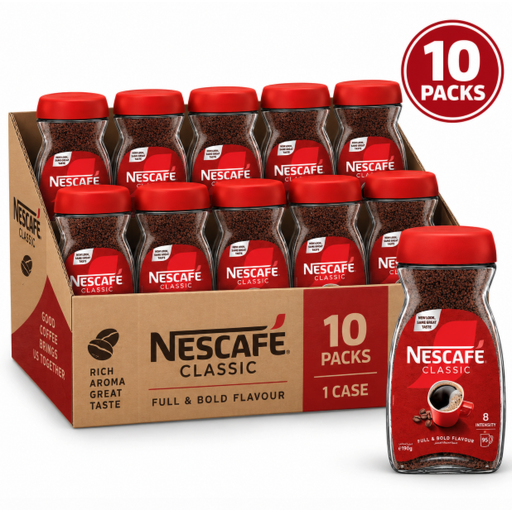 No image available
This pack contains ten 190g jars for a frequently used home or workplace supply. If you have not tried the flavour, consider whether you want to commit to ten jars rather than one.
No. NESCAFÉ explains that coffee strength scales generally describe flavour intensity rather than caffeine content, and brands may use different scales. Check information for the exact product if caffeine is your concern.
Follow the directions on your jar as a starting point. For its coffee, NESCAFÉ suggests approximately one teaspoon, or 1.8g, with 200ml hot water; you can then adjust the coffee, water or milk to suit your taste.
Choose a jar if you need a container to keep at home or beside a workplace kettle. A refill makes more practical sense when you already have a clean, suitable container in which to store the coffee.
Follow the instructions on the jar you buy. Sainsbury’s Gold Roast, for example, says to store it in a cool, dry place and replace the cap after use.