Hosts serving different tastes
If some friends prefer a smoother cup and others like a fuller flavour, separate jars or per-mug adjustments give them a choice without making one strength for everyone.


For friends with mixed preferences, start with a smooth or balanced jar and let each person adjust their cup. Choose a richer coffee if your guests generally prefer a fuller flavour, and keep a clearly labelled decaf jar if someone wants to limit caffeine. Check the current pack for serving directions and ingredients before you serve it.
If some friends prefer a smoother cup and others like a fuller flavour, separate jars or per-mug adjustments give them a choice without making one strength for everyone.
If aroma and flavour matter more to you than a familiar brand name, a product-specific taste test can help form a shortlist. Good Housekeeping’s August 2026 blind-test scores reflect its tested coffees and panel, not every guest’s preference.
A separately labelled decaffeinated jar gives guests who limit caffeine an option they can identify without guessing from the coffee’s colour or flavour.
Choose the flavour and caffeine options your guests need, then use the exact jar’s directions to plan and prepare each cup.
| Priority | What to check | Your needs |
|---|---|---|
| Flavour | Read the stated flavour profile. Compare intensity numbers only within the same brand’s scale; a taste-test score applies to the product and panel tested. | I’d start with a smoother cup if friends’ tastes vary, and offer a richer jar when I know they enjoy a fuller flavour. |
| Servings | Check net weight and the pack’s amount per cup rather than judging yield by jar size. The Sainsbury’s listing for Carte Noire Classique 100g suggests one or two teaspoons per cup and approximately 55 cups at 1.8g each. | For several guests, I want to know how many cups the jar can make and let people adjust the amount in their own mugs. |
| Decaf choice | Look for a jar explicitly labelled decaffeinated. Do not use a mild flavour or lighter colour to identify a decaf coffee. | Someone limiting caffeine should be able to recognise the decaf jar without having to ask which cup is theirs. |
| Ingredients | Read the ingredients and allergen information on the jar you buy, particularly for flavoured or creamy products. Tesco and Sainsbury’s advise checking current labels because product information can change. | If a friend has a food allergy, intolerance or dietary restriction, I need the information for the exact product I’m serving. |
| Packaging | Check whether the coffee comes in a jar or refill pack and how you will store it. For an empty glass jar, follow local collection rules; Recycle Now advises emptying and quickly rinsing jars and replacing lids and caps. | A refill appeals to me if I already have a suitable jar, while local collection rules matter when the packaging is empty. |
In Good Housekeeping’s August 2026 blind test, Exceptional by ASDA Brazilian and Kenco Gold Indulgence each scored 85/100. That result describes those products in that test, not whether a particular friend will prefer a smooth or richer cup.
Use the result to narrow your choices, then consider what your guests usually drink and let them adjust milk, sugar or coffee per mug.
Jars with different net weights or suggested amounts per cup need not make the same number of servings.
Read the serving guidance on the pack and work out how much you need for the people you expect.
A smooth flavour or a lighter-looking cup does not identify a decaf product.
Offer a separately labelled decaffeinated jar when a guest wants to limit caffeine, and use separate spoons to keep the options easy to identify.
Product ingredients can change, and local collection arrangements can differ.
Check the current jar before serving someone with dietary requirements. When it is empty, rinse it and check local guidance for the jar and lid.
These product-line details can help you compare flavours and formats; they do not describe every coffee made by each brand.
Kenco describes Smooth as intensity 7 and Gold Indulgence as intensity 8 on its own scale; it also has a decaf jar.
Nescafé describes Original as a medium-intensity, full-and-bold instant coffee available in glass jars and refill packs.
Tesco lists Douwe Egberts Pure Gold Instant Coffee 190g as a medium-roast coffee described as rich, smooth and full-bodied.
The Sainsbury’s listing for Carte Noire Classique Instant Coffee 100g provides a serving guide for this particular jar.
Tesco’s instant-coffee range includes Gold and Finest products, which should be compared by their exact jar names.
These options include jars for different stated flavour preferences and a labelled decaf choice. Compare the exact pack and serving directions with the way you plan to serve your friends.
 No image available
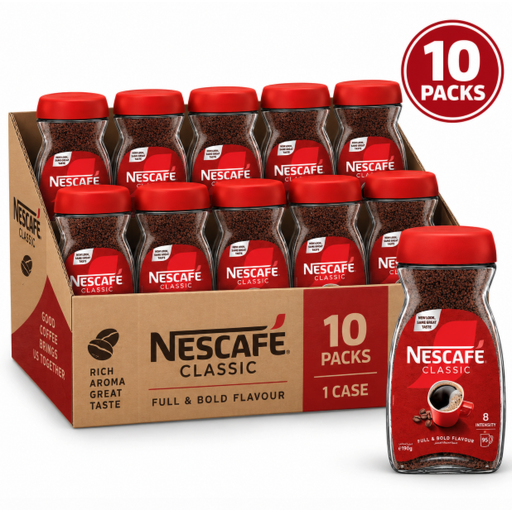
For repeated gatherings where guests prefer a fuller-tasting coffee, consider whether you will use a ten-jar pack. Each jar is labelled 190g; check its serving directions when planning cups.
 No image available
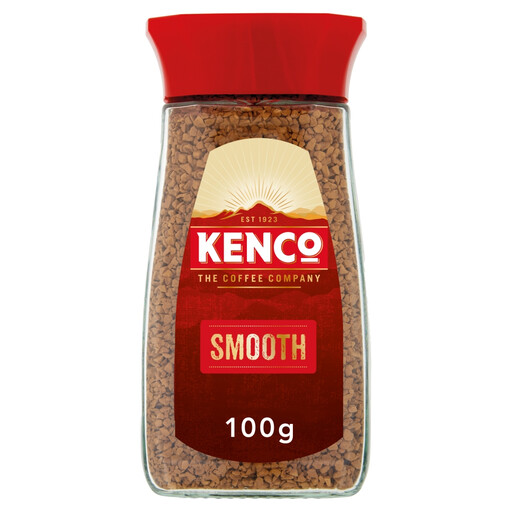
For friends who prefer a less bitter-tasting cup, Kenco describes Smooth as intensity 7 on its own scale. This is a 100g coffee option; check the pack’s amount per cup before planning servings.
 No image available
This labelled decaf coffee gives guests who limit caffeine a distinct option. Check the current pack if someone needs details of residual caffeine or the amount to use per cup.
 No image available
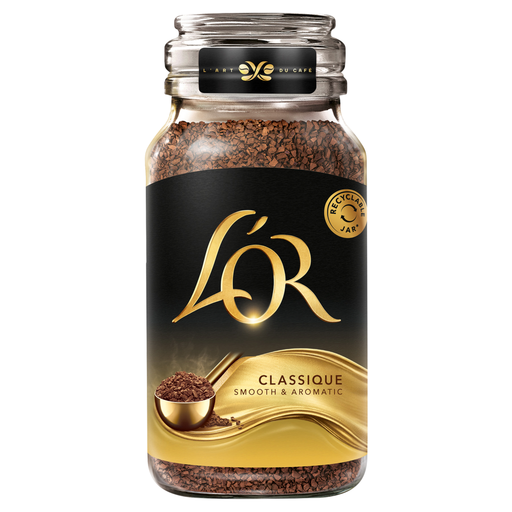
For guests interested in a different coffee profile, compare this 150g option with the other jars. Check the pack’s hot-water preparation directions before choosing it for hot coffee.
 No image available
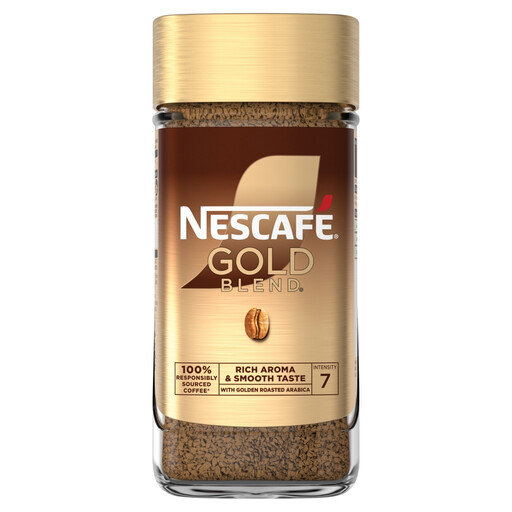
Consider this 190g coffee if friends prefer the rich, smooth profile described for the product. Its product descriptions differ on whether roast-and-ground coffee is included, so check the physical pack’s ingredients if the composition matters to you.
Start with a smooth or balanced jar when preferences vary; choose a richer one if your friends generally enjoy a fuller flavour. Kenco describes Smooth as intensity 7 and Gold Indulgence as intensity 8 on its own scale, so neither number predicts what every guest will prefer.
Follow the directions on the jar you serve. As a product-specific example, the Sainsbury’s listing for Carte Noire Classique 100g suggests one or two teaspoons per cup; guests can then adjust their own mugs.
A separately labelled decaf jar is useful when a guest wants to limit caffeine. Choose a product explicitly marked decaffeinated rather than judging caffeine content by flavour, roast or colour.
Check the physical jar’s current ingredients and allergen information before serving a guest with an allergy, intolerance or dietary restriction. Tesco and Sainsbury’s advise checking labels because product information can change.
Recycle Now advises emptying and quickly rinsing glass jars, then replacing their lids and caps. Check local collection guidance for the jar and its components before putting them out for recycling.