For an afternoon tea break, look for a smooth or medium-roast jar if you prefer a rounded cup, a stronger blend if you want a more robust flavour, or a clearly labelled decaf jar if reducing caffeine matters. Those flavour profiles are described in NESCAFÉ, Kenco and Tesco product information, not established by a side-by-side taste test; jar size and the exact pack label also matter when choosing.
Who is each choice for?
The useful distinction is what you want from this particular break: a gentler flavour description, a more robust one or a decaffeinated coffee.
Relaxed afternoon-break drinkers
If coffee is accompanying biscuits, cake or conversation, smooth and medium-roast descriptions offer a starting point. NESCAFÉ describes Gold Blend as smooth and well-rounded, while Tesco describes Douwe Egberts Pure Gold as a smooth-tasting medium roast.
Drinkers choosing decaf
A clearly labelled decaffeinated jar suits an afternoon routine when reducing caffeine is the deciding preference. Check the label on the exact product rather than assuming that every jar in a familiar range is decaf.
Households sharing a jar
When several people use the same coffee, agree on flavour and caffeine preference before choosing a jar size. Consider how regularly it will be used and whether a refill is appropriate for the jar you already have.
What should you check before choosing?
Start with flavour and caffeine preference, then choose a quantity that fits how often the jar will be used. Read the exact pack for preparation and storage directions.
| Priority | What to check | Your needs |
|---|
| Flavour profile |
Compare the product’s roast and flavour description. Kenco calls Rich a medium-to-dark roast with intensity 9 on its own scale; that number is not a cross-brand measure. |
I’d choose a smooth or medium-roast description for a more rounded afternoon cup. If I deliberately want a stronger flavour, I’d consider a jar described as robust instead. |
| Caffeine choice |
Check whether the exact jar is labelled decaffeinated or caffeinated. Do not infer caffeine status from a range name or a flavour description. |
For a later coffee, I may prefer decaf; on another day, flavour may be the deciding factor. The label needs to match the choice I’m making. |
| Jar size |
Compare the stated weight and number of jars in a pack with how regularly they will be used. Check refill compatibility before buying a refill. |
A smaller jar makes sense while I’m trying a flavour; a larger quantity is worth considering only if my household will use it regularly. |
| Preparation and storage |
Follow the exact pack’s spoon and water directions, and check its storage instructions. Sainsbury’s directs users of its Gold Roast Decaffeinated granules to add one teaspoon to hot, not boiling, water. |
I want a repeatable cup without assuming every instant coffee uses the same measure. I’ll also check where the opened jar should be kept. |
Common buying mistakes
-
Choosing intensity when you wanted a gentler cup
Kenco describes Rich as a medium-to-dark roast with an intensity of 9 on its own scale. That may not match a preference for the smooth, rounded profiles described for NESCAFÉ Gold Blend or Douwe Egberts Pure Gold.
Choose by the flavour description you actually want, and do not compare different brands’ intensity scales as though they used one shared measure.
-
Assuming an online description is the final pack label
Product details and ingredients can change. This matters particularly when caffeine status or a particular ingredient affects which jar you choose.
Read the label on the exact jar and size before using the online description to make that decision, as Tesco and Sainsbury’s advise.
-
Buying more jars than you will use regularly
A multipack or large jar takes more cupboard space and may be an awkward choice for an occasional coffee drinker.
Check both the weight per jar and the pack quantity. If you are trying a new flavour, consider a smaller quantity before committing to a larger pack.
Brand and own-label options
These examples show different labelled formats and flavour descriptions; a brand name alone does not tell you which individual jar suits your break.
NESCAFÉ
Original and Gold Blend provide different stated flavour profiles, while decaffeinated products offer a separate caffeine choice.
- NESCAFÉ describes Gold Blend as a medium-roast Arabica and Robusta coffee with a smooth, well-rounded taste.
- That description is the brand’s account of its product, not a direct taste comparison with other jars.
Kenco
Rich and Decaf distinguish a stronger-flavoured option from a clearly labelled decaffeinated one.
- Kenco describes Rich as medium-to-dark roast with intensity 9, and Decaf as balanced with intensity 7.
- Those intensity numbers belong to Kenco’s scale; they do not rank the flavours of other brands.
Douwe Egberts
Pure Gold is a medium-roast instant coffee to consider when you want a smooth-style household jar.
- Tesco lists Pure Gold in a 190 g jar and describes its taste as smooth, with a pleasant aroma.
- Check the current pack label for product details rather than treating a retailer description as permanent.
Carte Noire
Instant Classic is a darker-roast jar to compare if that roast description appeals to you.
- An Amazon UK listing identifies Instant Classic as a 180 g caffeinated dark-roast jar.
- The roast and preparation details come from a retailer listing; confirm them on the exact pack.
Tesco
Tesco Finest provides own-label instant-coffee formats to compare with branded jars.
- Tesco lists Finest Americano Barista Style and Finest Intenso Barista Style instant coffee in 100 g formats.
- Compare the labels of the individual products before drawing conclusions about their ingredients or flavour.
Sainsbury’s
Gold Roast Decaffeinated is an own-label jar with clear preparation and storage directions.
- Sainsbury’s lists it as 100 g of decaffeinated instant-coffee granules and gives a one-teaspoon preparation direction.
- Sainsbury’s advises checking the physical label because ingredients can change.
Instant coffee jars on Joybuy
These jars cover fuller-flavoured, smooth-style and decaffeinated choices for an afternoon coffee, with different jar and pack quantities. Compare the exact product label where caffeine status or ingredients matter to you.
 No image available
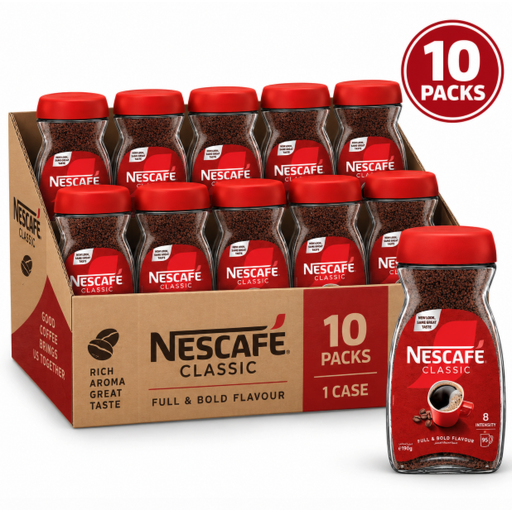
NESCAFÉ Classic Original, 190 g jars (pack of 10)
Consider this fuller-flavoured choice if several people will use the coffee regularly. The pack contains ten 190 g jars; check that the quantity suits your cupboard space and expected use. Check the pack if caffeine intake affects your choice.
View on Joybuy
 No image available
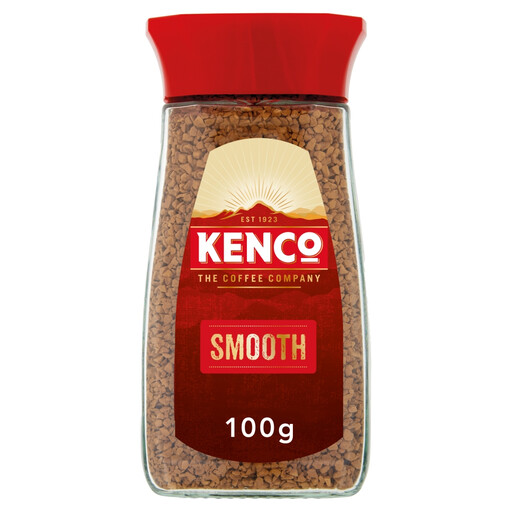
Kenco Smooth Coffee 100 g
The smooth-style description makes this a jar to consider when you want a less robust-flavoured afternoon cup. It is a 100 g format; check the exact pack for caffeine and preparation information relevant to you.
View on Joybuy
 No image available
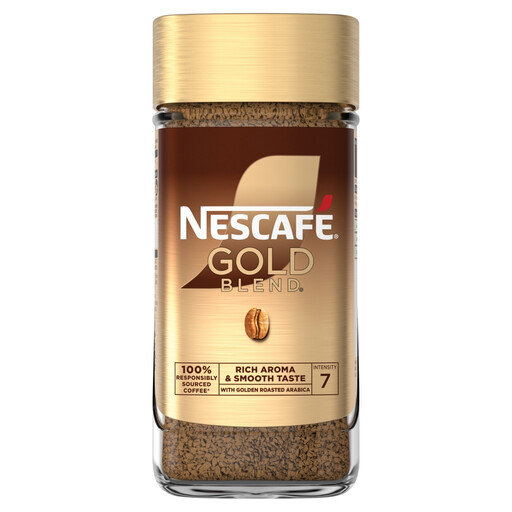
NESCAFÉ Gold Blend Coffee 190 g
Consider the 190 g jar if a smooth-style coffee suits your afternoon break. Check this exact jar’s ingredient list and caffeine labelling before buying if either affects your choice.
View on Joybuy
 No image available
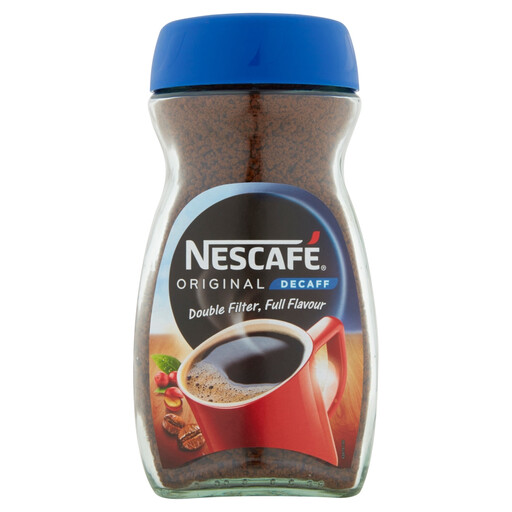
NESCAFÉ Original Decaff Coffee 300 g
This labelled decaffeinated option fits an afternoon routine centred on reducing caffeine. The jar is 300 g, so consider how often it will be used and follow the storage instructions on the pack.
View on Joybuy
 No image available
NESCAFÉ Decaf (New Shape) 200 g
This labelled decaffeinated jar is a 200 g alternative for an afternoon coffee routine. Compare that quantity with how regularly you use instant coffee, and check the exact pack if you need caffeine information per prepared cup.
View on Joybuy
Questions about afternoon coffee
Which flavour description suits a relaxed afternoon cup?
Start with smooth, well-rounded or medium-roast descriptions if you want a rounded flavour rather than a deliberately robust one. NESCAFÉ uses those terms for Gold Blend, and Tesco describes Douwe Egberts Pure Gold as medium roasted and smooth; neither description guarantees how the coffee will taste to you.
When should I choose a decaffeinated jar?
Choose a clearly labelled decaffeinated jar when reducing caffeine is an important part of your afternoon-coffee choice. Kenco describes its Decaf product as balanced, but check the exact pack rather than assuming that another Kenco jar has the same caffeine status.
Do all instant coffees use the same preparation directions?
No; follow the directions for the jar you buy. Sainsbury’s instructs users of its Gold Roast Decaffeinated granules to add one teaspoon to a cup, pour on hot but not boiling water, and stir.
How should I store an instant coffee jar?
Follow the directions on the exact pack. Tesco specifies a cool, dry place for Douwe Egberts Pure Gold, while Sainsbury’s also instructs users of its Gold Roast Decaffeinated jar to replace the cap after use.


