Relaxed afternoon coffee drinkers
If you want a quick cup alongside afternoon food, a smooth or medium-profile jar may suit you better than a blend described as rich or robust.


For an everyday afternoon cup, start with a smooth or medium-profile jar; choose a richer blend if you prefer a stronger coffee flavour, or decaf if reducing caffeine matters. Pick a jar size that fits how often you drink it, follow its storage directions and consider a compatible refill once you know you like the blend.
If you want a quick cup alongside afternoon food, a smooth or medium-profile jar may suit you better than a blend described as rich or robust.
If you are choosing decaf rather than regular coffee, check the exact variant on the jar: a brand may sell both.
If instant coffee is a regular cupboard item, compare jar sizes and storage directions. Before buying a refill, check that it contains the blend you want and suits your reusable container.
Choose the flavour and caffeine option first, then decide which pack format fits your routine.
| Priority | What to check | Your needs |
|---|---|---|
| Flavour | Read the blend description as well as any intensity rating. Kenco describes Smooth as intensity 7 and Rich as intensity 9; use those ratings within Kenco’s range, not as a scale for every brand. | I would rather have a rounded cup with afternoon food, unless I specifically want a more robust coffee flavour. |
| Caffeine | Check whether the exact jar is labelled regular or decaffeinated. Do not assume that different varieties from the same brand have the same caffeine designation. | For a later cup, reducing caffeine may matter more to me than choosing my usual regular blend. |
| Jar and refill | Compare the stated pack size with how often you use instant coffee. Follow the jar’s storage directions, and check the blend and container suitability before choosing a refill. | I want to try a smaller jar before committing to a larger one, or reuse a container once I have settled on a blend. |
| Pack details | Check the actual label for ingredients, allergens, quantity, date and storage directions. UK government food-labelling guidance identifies these as key information for pre-packed food. | If an ingredient or allergen matters to me, I need to read the jar rather than rely on an online description. |
Kenco uses ratings of 7 for Smooth and 9 for Rich, but those figures do not establish how either tastes against another brand’s numbered range.
Read the flavour description too. If you are unsure which profile you prefer, try a smaller jar before moving to a larger format.
Jar size will not resolve a mismatch between a regular and decaf variety, or between a smooth and richer flavour.
Settle on the flavour and caffeine option first, then choose a size that fits your usual afternoon use.
Refill claims apply to specified packs and comparisons. Kenco’s stated packaging-weight comparison, for example, concerns its Rich refill replacing a 190g glass jar and lid; it is not a measure of overall environmental impact.
Check the refill’s blend and directions, and use a suitable container that you intend to keep reusing.
The physical pack is the place to check details that matter to your purchase, particularly ingredients and allergens.
Read the jar’s label, date and storage directions before use.
These brand examples show different jar options; they are not a comparison of every product each brand makes.
NESCAFÉ’s UK product pages show Gold Blend and Gold Blend Decaf in 95g and 190g formats, giving shoppers a regular-versus-decaf choice within that range.
Kenco distinguishes Smooth and Rich through its own flavour descriptions and intensity ratings.
Sainsbury’s lists Carte Noire Classique as a 100g freeze-dried jar with a suggested one-to-two-teaspoon preparation.
Sainsbury’s lists Gold Roast as a 200g soluble-coffee jar with a medium, smooth-and-rich flavour description.
These Joybuy jars cover smooth regular coffee and decaffeinated options in different pack sizes. Choose the blend type first, then compare the sizes within that choice.
 No image available
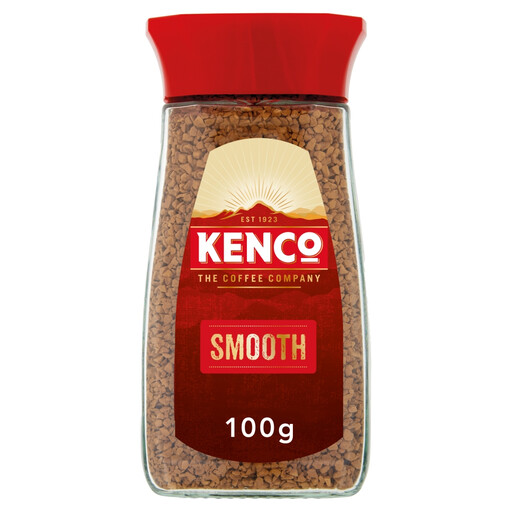
A 100g jar to consider if you want to try Kenco Smooth before choosing a larger format. This is a regular coffee, so choose a decaf-labelled jar if reducing caffeine is your priority.
 No image available
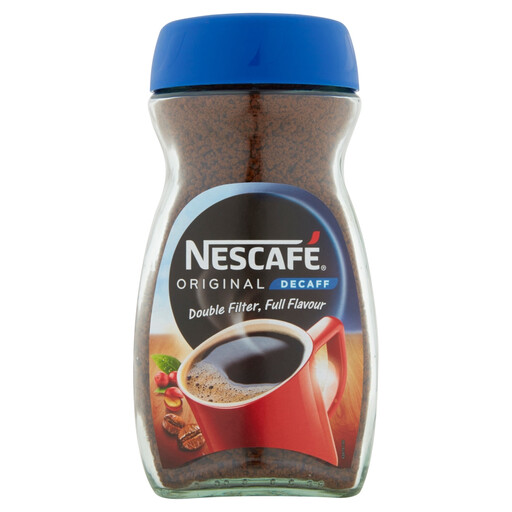
A 200g decaf option for an afternoon cup when you are choosing decaffeinated rather than regular coffee. Check the pack if its flavour description or serving information matters to you.
 No image available
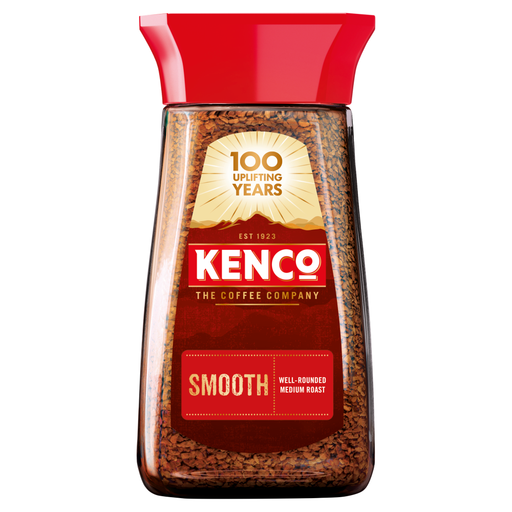
This 200g Kenco Smooth jar offers a larger format than the 100g option above for a regular afternoon coffee. Check its own pack for preparation directions and the flavour details you prefer.
 No image available
A 300g decaf jar to consider if this variety already fits your regular afternoon routine. It is a different named variety from the 200g NESCAFÉ Decaf jar, so check the exact pack when comparing them.
Follow the directions on your jar and adjust to the flavour you prefer. Sainsbury’s listing for Carte Noire Classique suggests one or two teaspoons per cup, while its Gold Roast listing states one teaspoon; those directions belong to the respective products.
Choose a smooth-labelled blend if you prefer a less robust profile, or a rich-labelled one if you want a stronger coffee flavour. Kenco positions Smooth at intensity 7 and Rich at intensity 9 within its own range; the ratings are not a universal cross-brand comparison.
Choose a jar labelled decaf when reducing caffeine matters more to you than selecting your usual regular blend. Check the exact variety: a brand’s regular and decaf jars are separate products.
Follow the directions on the jar and close its cap after use. Sainsbury’s Gold Roast listing specifies cool, dry storage and replacing the cap; its Kenco Smooth 200g listing specifies a dark, dry place.
Check the ingredients and allergens if they affect your choice, as well as the quantity, date and storage directions. UK government food-labelling guidance identifies ingredients, allergens, quantity and date information for pre-packed food; read the actual jar rather than relying solely on a retailer description.