For a hotel breakfast buffet, choose a regular instant-coffee jar whose flavour and size suit the service, and offer a separately labelled decaffeinated choice if guests need one. If you are considering a smoother branded coffee or a supermarket own-label option, trial it with the water, cups and milk used at breakfast: a published taste-test result cannot establish what your guests will prefer.
Who is choosing the coffee?
The right jar depends on how the hotel serves coffee and what alternatives it intends to offer.
Managers serving a varied guest mix
A self-service station needs a regular coffee that guests can prepare consistently. Consider how it tastes both black and with the milk offered at breakfast, then choose a jar size that fits the station’s turnover.
Hotels reviewing their breakfast coffee
If coffee flavour is part of the breakfast offer, compare the current jar with a smoother or deeper-roast alternative in the cups guests actually use. A different flavour profile will not suit every guest equally.
Operators responsible for guest information
Keep current labels for the coffee and drink additions available to staff. If decaffeinated coffee is offered, identify it clearly so guests can distinguish it from the regular jar.
What matters when choosing a jar?
Settle the flavour and service format first, then check preparation and the information guests need at the drinks station.
| Priority | What to check | Your needs |
|---|
| Flavour fit |
Compare the descriptions of the exact coffees you are considering. Trial each with the buffet’s water, cup size and milk rather than treating a taste-test score as a hotel-service result. |
I want a regular coffee that works for the way guests prepare their drinks, without assuming one roast or brand suits everyone. |
| Jar format |
Check the net weight, number of jars in a pack and whether the product is a jar or a refill. Match the format to expected turnover and the containers available at the station. |
A jar I can replenish during service matters more to me than a pack format that does not fit the set-up. |
| Preparation |
Read the directions for the exact product and decide how staff or guests will measure a serving. NESCAFÉ UK & IE recommends approximately 1.8g of NESCAFÉ Original with 200ml of hot water for a typical mug; that is not a direction for other coffees. |
I need instructions guests and staff can follow with the cups provided, while leaving room for different tastes. |
| Decaffeinated choice |
If offering decaffeinated coffee, check its identity and keep it clearly separate from the regular jar. Confirm preparation directions on the decaffeinated product itself. |
Guests looking for decaffeinated coffee should be able to identify the right jar without guessing. |
| Allergen information |
Check current labels for the coffee, milk, creamers and other additions. GOV.UK guidance and Food Standards Scotland state that food businesses must provide allergen information for prepacked and non-prepacked food and drink. |
I need the drinks station’s information to cover what guests add to their coffee, not just the coffee jar. |
What can go wrong at the buffet?
-
Choosing by jar size without checking the pack
A multi-jar pack, a single jar and a refill solve different replenishment needs, even when their stated weights look similar.
Check the quantity and format of the exact product, then plan where unopened packs and the jar in use will be kept.
-
Assuming a taste-test result predicts guest preference
Good Housekeeping Institute’s August 2026 blind test assessed instant coffees for aroma, flavour and smooth mouthfeel. It did not test how each would perform at your hotel breakfast station.
Compare a familiar regular coffee with any proposed alternative using your usual water, cups and milk before changing the buffet offer.
-
Checking only the coffee jar for allergens
Milk, creamers and other additions are also part of the drink guests make. GOV.UK guidance and Food Standards Scotland require food businesses to provide allergen information for prepacked and non-prepacked food and drink.
Keep information for each component current and make sure relevant staff can direct guests to it.
-
Buying a refill without a suitable container
A refill does not provide the jar needed to hold coffee at a self-service station.
Before choosing a refill format, confirm that a suitable clean, dry container is ready for use and that the exact refill fits the intended service.
Which brand references are useful?
These examples describe particular coffees and formats; they do not establish a preference for every product made by each brand.
NESCAFÉ
NESCAFÉ Original is a regular instant-coffee option for a buffet seeking a familiar, bold flavour, as described by NESCAFÉ UK & IE.
- The manufacturer lists Original in 100g, 190g and 300g jars and recommends approximately 1.8g with 200ml of hot water for a typical mug.
- Original is not the decaffeinated choice; identify a separate decaffeinated product if the buffet offers one.
Kenco
Kenco describes Smooth as an intensity-7 coffee. Gold Indulgence is a different product and should be considered separately.
- Kenco Gold Indulgence 190g scored 85/100 in Good Housekeeping Institute’s August 2026 blind taste test.
- That result does not apply to Kenco Smooth or establish what hotel guests will prefer.
Douwe Egberts
Pure Gold is a 190g freeze-dried instant coffee listed by Tesco as a medium-roast option.
- Tesco describes Pure Gold as smooth and directs buyers to store it in a cool, dry place.
- Check the delivered product’s current label: Tesco warns that food product information can change.
Carte Noire
Tesco’s 150g Carte Noire instant-coffee refill is a format to consider if the buffet already has a suitable reusable container.
- The listed product is explicitly a refill, making its intended format clear.
- A refill alone does not supply a jar for the station; confirm the exact product and its current label before use.
Tesco Finest
Tesco Finest Colombian Instant Coffee is an own-label example to compare with branded coffees if its flavour suits the breakfast offer.
- The 100g product scored 84/100 in Good Housekeeping Institute’s August 2026 blind taste test.
- The test result concerns that product and tasting conditions, not hotel service or the wider Tesco Finest range.
Joybuy instant-coffee options
These jars cover regular and decaffeinated instant coffee for a hotel breakfast station. Compare the stated pack formats and keep each product’s preparation and labelling distinct.
 No image available
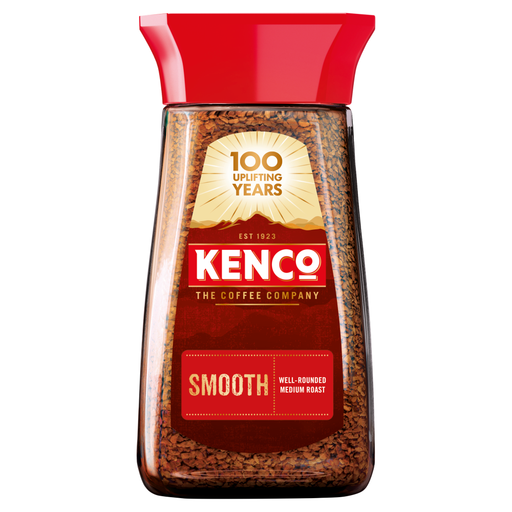
Kenco Smooth Instant Coffee 200g
A 200g regular instant-coffee option if you want to trial the flavour Kenco describes as smooth. Check the physical pack’s allergen statement before putting it into service.
View on Joybuy
 No image available
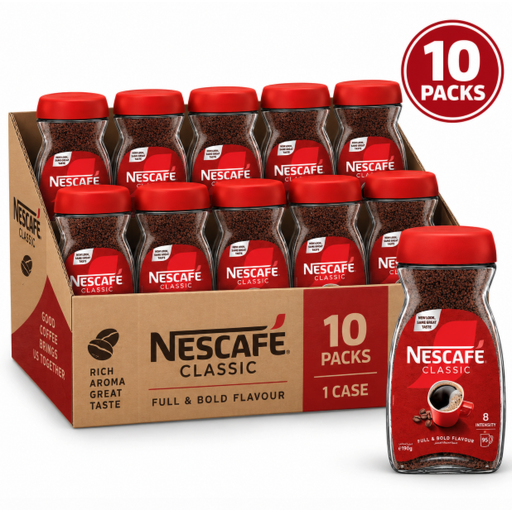
NESCAFÉ Classic Original Instant Coffee 190g, pack of 10
Ten 190g jars offer a multi-jar format for replenishing a regular-coffee station. This is not the decaffeinated option; check the directions on this pack rather than applying those for a different NESCAFÉ product.
View on Joybuy
 No image available
NESCAFÉ Original Decaff Coffee 300g
A 300g decaffeinated coffee jar for a separately identified buffet choice. Follow the delivered pack’s preparation directions when setting out serving instructions.
View on Joybuy
 No image available
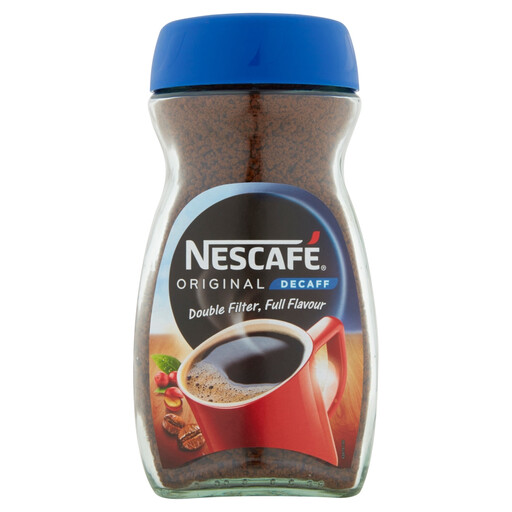
NESCAFÉ Decaf New Shape 200g
A 200g decaffeinated option where that jar quantity fits the station. Label it separately from regular coffee and check its own pack for preparation directions.
View on Joybuy
Frequently asked questions
How much NESCAFÉ Original should go in a cup?
NESCAFÉ UK & IE recommends approximately one 1.8g teaspoon of NESCAFÉ Original with 200ml of hot water for a typical mug. That direction is specific to Original; check the pack for other products and account for the cups used at breakfast.
Should a breakfast buffet offer decaffeinated coffee?
Offer a clearly labelled decaffeinated jar if the hotel intends to serve guests seeking that choice. Keep it distinct from the regular coffee and use its own preparation directions.
Does a hotel need allergen information at the coffee station?
Yes. GOV.UK guidance and Food Standards Scotland state that food businesses must provide allergen information for prepacked and non-prepacked food and drink. At a buffet, check the current labels for the coffee, milk, creamers and other additions so information covers the drink guests assemble.
Can staff use a retailer listing instead of the delivered label?
Check the delivered label before service. Tesco warns that food products can be reformulated, so its online information should not replace the current product label when checking ingredients and allergens.
Is a refill suitable for a self-service station?
A refill is suitable only if the station has a suitable clean, dry container for it. Check the exact refill and container before using that format rather than treating the refill pack as a ready-to-serve jar.


