Guests who prefer decaf later in the day
A decaffeinated jar gives hosts a coffee option without serving a standard regular-caffeine cup. Check each guest’s preference rather than assuming every older adult wants decaf.


For afternoon tea with older guests, offer a decaf jar when someone prefers to limit caffeine, and a regular jar when caffeine is wanted and tolerated; age alone does not settle the choice. If decaf is preferred, check whether guests want soluble-only coffee or a blend that also contains roast-and-ground coffee, then choose a jar size that suits how often it will be used.
For afternoon tea, guests’ caffeine preferences and the way the coffee will be served matter more than an age-based rule.
A decaffeinated jar gives hosts a coffee option without serving a standard regular-caffeine cup. Check each guest’s preference rather than assuming every older adult wants decaf.
Separate regular and decaf jars let guests choose cup by cup. Keep the jars clearly identified so the intended version goes into each mug.
Kenco Millicano Americano Decaff combines decaffeinated instant coffee with decaffeinated roast-and-ground coffee. Its composition offers a distinction from a soluble-only decaf jar, though it does not predict everyone’s taste preference.
Choose the caffeine option first, then check the coffee format, serving directions and amount you are likely to use.
| Priority | What to check | Your needs |
|---|---|---|
| Caffeine choice | Read the full jar name for regular or decaf wording. Do not use a roast or strength number to infer caffeine content. | I would like a decaf option for guests who prefer to limit caffeine, without assuming everyone wants the same thing. |
| Coffee format | Check whether the ingredients describe soluble coffee alone or a blend with roast-and-ground coffee. Sainsbury’s lists Kenco Millicano Americano Decaff as 85% decaffeinated instant coffee and 15% decaffeinated roast-and-ground coffee. | If I am trying a different decaf style, I want to know what is in the jar rather than relying on the name to predict its flavour. |
| Preparation | Read the directions on the jar you buy. Nescafé specifies one teaspoon and 200ml hot water for Gold Blend Decaf; directions for other products can differ. | When making several cups, I want clear directions and the flexibility to prepare each guest’s drink separately. |
| Jar size | Compare the stated weight with how often the coffee will be used. Check the current best-before date and storage directions on the pack. | A smaller jar would suit an occasional gathering; for regular shared cups, I may use a larger jar before its best-before date. |
A strength or roast description is not the same as a regular-or-decaf label. Tesco lists Douwe Egberts Pure Decaffeinated coffee as strength 3, although it is decaf.
Check the full product name and the current jar label when caffeine choice matters.
Guests can have different caffeine preferences. An age-based assumption could leave someone without the coffee they wanted.
Ask which option guests prefer and identify regular and decaf jars clearly when serving both.
A jar intended for regular shared cups may be more coffee than an occasional host expects to use.
Match the pack size to likely use, check the best-before date and follow the storage directions on the jar.
Coffee left unused beyond its best-before date may no longer have the quality you expected.
A listing seen while planning an afternoon tea may not reflect what is available when it is time to buy.
Check the current listing and pack label, and keep another suitable decaf choice in mind if a particular jar is unavailable.
These brand and retailer examples show formats to compare; a named product is not necessarily available in every shop.
Gold Blend has regular and decaf versions, including 190g jars.
Millicano Americano Decaff is an option for shoppers comparing soluble-only decaf with a blended format.
Pure Decaffeinated is listed by Tesco as a 190g freeze-dried instant coffee.
Sainsbury’s lists a 100g freeze-dried decaffeinated instant coffee jar.
Tesco’s decaf instant-coffee range has listed own-label jars alongside branded options.
Sainsbury’s has listed decaf jars including Kenco Millicano Americano Decaff and Carte Noire Decaffeinated.
These jars include decaf choices for guests who prefer to limit caffeine and a Kenco Smooth jar whose caffeine status should be checked before serving it to those guests. The sizes also give occasional and frequent hosts different amounts to consider.
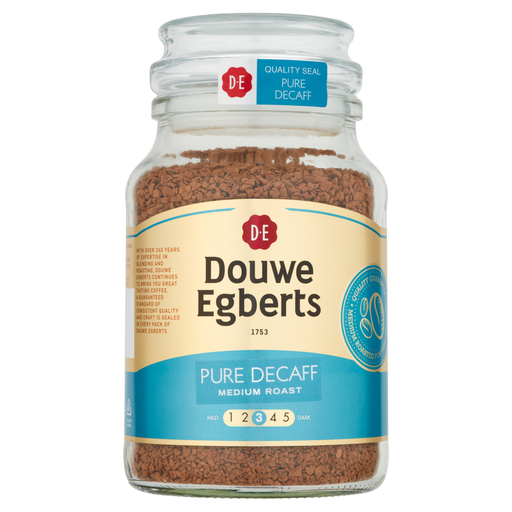 No image available
A 190g decaf instant-coffee option for shared afternoon cups. Tesco describes Pure Decaffeinated as freeze-dried and medium roast; check the current pack for hot-drink preparation directions.
 No image available
A 190g soluble-coffee jar for guests who prefer decaf. Nescafé’s directions for Gold Blend Decaf specify one teaspoon with 200ml hot water; follow the directions on the jar you receive.
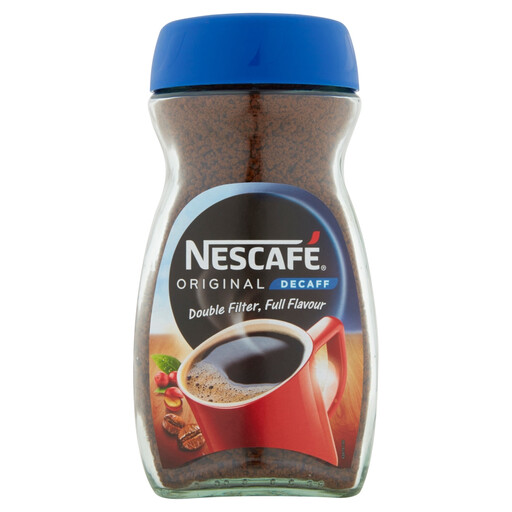 No image available
This 200g decaf jar is another size to consider for regularly shared afternoon coffee. Check its own preparation directions rather than applying those of a different Nescafé range.
 No image available
A 300g decaf jar to consider when the household will use it regularly. For occasional afternoon tea, check the best-before date and likely use before choosing this larger pack; follow its own serving directions.
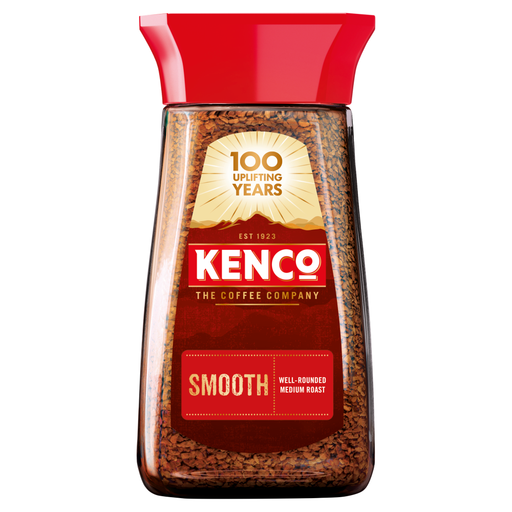 No image available
A 200g instant-coffee jar for cup-by-cup preparation. Check the current pack for its caffeine status before serving it to anyone who wants decaf, and use that pack’s directions for making the drink.
No. Choose decaf when a guest prefers to limit caffeine, and do not assume that age alone determines their preference. If a guest has been given individual advice about caffeine, follow that advice when planning their drink.
Use the directions on each jar and prepare cups separately when preferences differ. Nescafé specifies one teaspoon with 200ml hot water for Gold Blend and Gold Blend Decaf; check other jars for their own quantities.
A smaller jar may be a more practical choice if it will only be used occasionally. Compare the pack weights, consider how many cups the household expects to make, and check the best-before date and storage directions.
Check that it is the intended regular or decaf version, then read the current ingredients, allergen information, preparation directions, best-before date and storage instructions. The pack is the place to confirm these details before serving.