Households sharing a coffee cupboard
If several people use the same jar, compare its net weight and any stated preparation amount with the household’s usual rate of use before choosing a larger format.


Choose an instant-coffee jar that matches how much your household will use, then check the exact coffee type and preparation guidance. A larger jar makes sense only if you want that particular coffee and can store it as directed; if you need decaf, confirm it on the product label before adding the jar to your weekly shop.
The right size and coffee type depend on who will drink from the jar and how often it will be opened.
If several people use the same jar, compare its net weight and any stated preparation amount with the household’s usual rate of use before choosing a larger format.
A smaller jar involves less commitment to one coffee, while a larger one needs enough cupboard space and a realistic plan for using it under the stated storage conditions.
If decaffeinated coffee, a stated roast or a particular ingredient blend matters, check the exact jar rather than assuming products from the same brand are interchangeable.
Start with the coffee type you need, then choose a jar size your household can use and store as directed.
| Priority | What to check | Your needs |
|---|---|---|
| Coffee type | Read the exact product name and ingredients. Check whether the jar is decaffeinated if that distinction matters. | If I need decaf, I want the jar in my basket to say so explicitly, rather than relying on the brand name. |
| Jar size | Compare net weights and any stated amount used per mug. Consider how often the household makes this coffee. | A larger jar suits me only if the people sharing it will use that particular coffee and have room to keep it properly. |
| Style and ingredients | Check the stated roast, flavour description and ingredient list for the exact product. A brand may sell products with different compositions. | I may prefer a stated medium roast or want to know whether a product contains roast-and-ground coffee as well as instant coffee. |
| Storage and availability | Read the storage directions and best-before information. Confirm that the chosen jar is available for the shop you are placing. | I need a jar I can keep in the stated conditions and actually add to this week’s order. |
Sainsbury’s lists a Kenco Smooth refill containing 90% instant coffee and 10% roast-and-ground coffee, while its Kenco Rich listing describes freeze-dried instant coffee. Those descriptions apply to the named products, not every Kenco jar.
Read the ingredients and format on the exact product you intend to buy.
A large jar commits the household to more of one coffee. The reviewed Sainsbury’s Gold Roast and Nescafé Original listings give cool, dry storage directions; the Gold Roast listing also says to replace the cap after use.
Consider your household’s rate of use and whether you can follow the jar’s storage directions before choosing the larger size.
The reviewed Sainsbury’s listing for Carte Noire Classique 100g marked it out of stock, so its product description alone did not make it an option for that order.
Confirm availability in your chosen shop before relying on a particular jar.
These examples show why the exact product matters: jar sizes, coffee types and ingredient descriptions can differ within a range.
Sainsbury’s lists Nescafé Original in a 300g jar with a preparation guide of 1.8g in 200ml hot water and a stated 166 mugs per jar.
The reviewed supermarket listings include Rich and Gold Indulgence instant coffees and a Smooth refill.
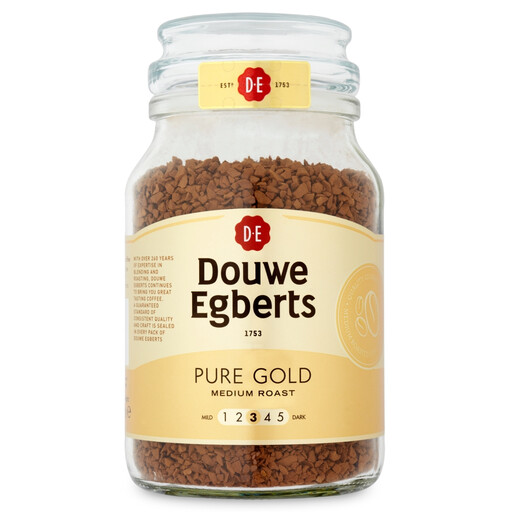
The reviewed Pure Gold 190g jar is listed by Sainsbury’s as freeze-dried instant coffee with a medium roast and strength 3 description.
The reviewed Classique listing describes a 100g freeze-dried jar and approximately 55 cups using 1.8g per cup.
The reviewed own-label range includes a 500g Gold Roast instant-coffee jar and a separate 200g Gold Roast Decaffeinated product.
Tesco’s reviewed instant-coffee category includes branded jars and refill formats, including Nescafé products.
These jars cover regular instant-coffee choices in several sizes alongside two products labelled decaffeinated. Match the exact variant to your cupboard needs rather than treating them as interchangeable.
 No image available
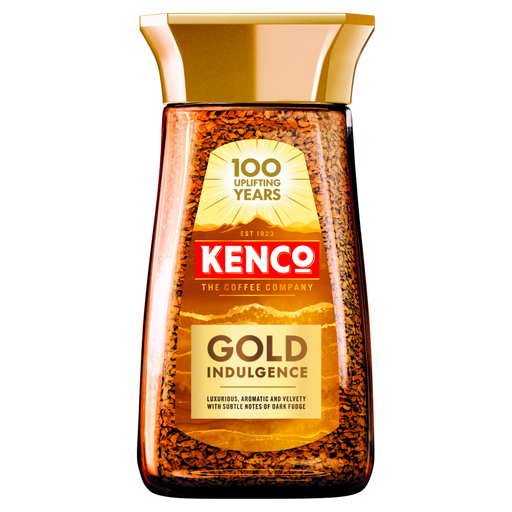
A 195g instant-coffee jar for shoppers considering this Kenco variant. Check its own label for preparation and storage directions; the serving guidance for a differently sized jar should not be assumed to apply.
 No image available
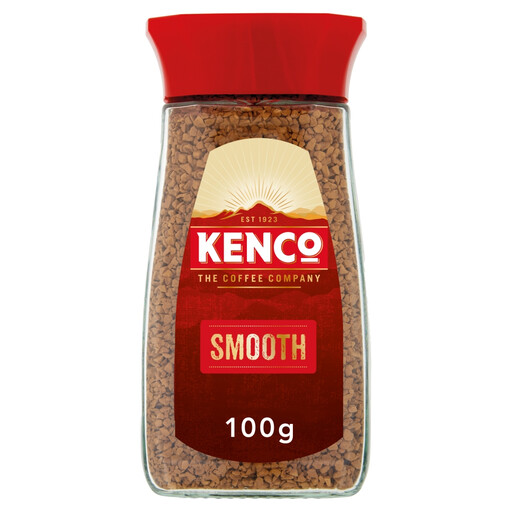
The 100g size offers a smaller cupboard jar. Check this product’s ingredients directly rather than applying the composition of a Kenco Smooth refill to it.
 No image available
A 190g choice for shoppers seeking a jar labelled medium roast. Check its preparation directions when judging how the size fits your household’s use.
 No image available
A 300g jar labelled decaffeinated for a cupboard where decaf is the required coffee type. Confirm the decaffeinated designation on the pack before buying.
 No image available
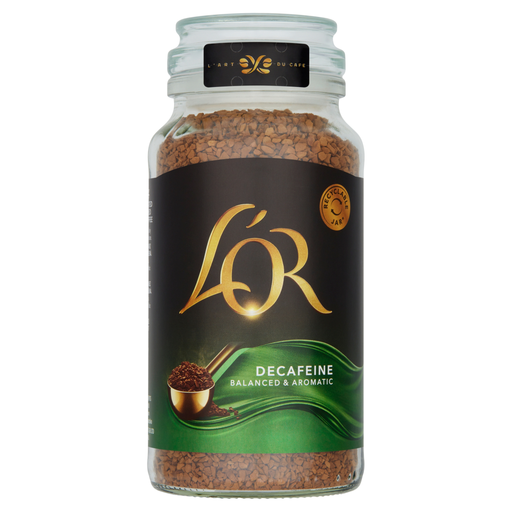
A 150g option labelled decaffeinated if you want a smaller jar of that coffee type. Check the pack for its preparation and storage directions.
Check the coffee type first, then compare jar weights with how often your household will use that coffee. Any stated amount per mug can help you assess a particular jar, but follow that product’s own preparation directions.
No. Choose a larger jar only if the household wants that coffee and can use and store it as directed. The reviewed Sainsbury’s Gold Roast 500g listing says to keep it cool and dry and replace the cap after use.
Check the exact product name and ingredients on the pack. For example, the reviewed Sainsbury’s Gold Roast Decaffeinated listing identifies decaffeinated freeze-dried instant coffee and lists decaffeinated soluble coffee as its ingredient.
A best-before date concerns quality rather than being a use-by safety cut-off. GOV.UK guidance says food past its best-before date is usually safe to eat but may not be of the same quality; also follow the jar’s storage directions.