Weekend hosts with mixed preferences
Plain instant coffee lets guests choose their own coffee strength, milk and sugar. A jar offers flexibility at the table; black-coffee sticks offer individual portions without fixing those additions in advance.


Choose individually portioned coffee if several people need quick cups without measuring; choose plain black-coffee sticks if guests want to add their own milk or sugar. A jar or refill gives you more control over coffee strength, but you must measure each cup and consider how long an opened pack will last. Before buying a purported 80-serving pack, check its total portion count and whether each portion is plain coffee or a pre-mixed drink.
Plain instant coffee lets guests choose their own coffee strength, milk and sugar. A jar offers flexibility at the table; black-coffee sticks offer individual portions without fixing those additions in advance.
Single-serve sticks or sachets make it simpler to prepare several cups. Check whether each portion contains only coffee or already includes whitener and sugar, as Kenco 3in1 does.
Decaf is available in both jars and individual sticks, so the caffeine preference need not determine the pack format. If tracking caffeine intake, check the particular product rather than assuming every instant coffee has the same amount.
Decide what should be in each cup, then compare the stated portion count or suggested serving size with how much coffee the household is likely to use.
| Priority | What to check | Your needs |
|---|---|---|
| Drink contents | Check whether portions contain plain coffee or a pre-mixed drink. Kenco says its 3in1 sachets contain instant coffee, whitener and sugar; check the particular pack’s ingredients and allergen information. | Guests take their coffee differently, so I want to put milk and sugar out separately rather than serve everyone the same sweetened drink. |
| Serving count | Check the total sticks or sachets across the whole multipack, not just the count in one inner pack. For jars, compare the weight and maker’s suggested amount per cup; Sainsbury’s gives Carte Noire 100g jars an approximate yield of 55 cups at 1.8g per cup. | Will we use close to 80 individual portions, or would a jar better match the breakfasts we expect to host? |
| Flavour profile | Read the particular product’s roast, blend and preparation description. Kenco calls Smooth intensity 7, while Sainsbury’s describes Carte Noire Intense as a dark-roast Arabica and Robusta blend; those descriptions are not a shared cross-brand scale. | I’d rather choose a coffee profile our guests recognise than assume every instant coffee will taste alike. |
| Caffeine and decaf | Check whether the pack is regular or decaffeinated and use product-specific caffeine information when available. Nescafé states 50mg–90mg per 2g serving for its Original and Gold instant coffees; that range does not describe every brand or variant. | Someone may prefer decaf, or I may need to account for caffeine from more than one drink during the day. |
The number may describe a multipack’s individual units, while a jar is sold by weight and its stated cup yield depends on the suggested serving size. Some individual portions are pre-mixed drinks rather than black coffee.
Check the total number of portions, the count in each inner pack, the serving size and what each portion contains.
Kenco 3in1 already includes whitener and sugar, so it does not give guests the same control as plain coffee.
Choose plain granules or black-coffee sticks when guests want to add their own milk or sugar.
Nescafé gives a range of 50mg–90mg per 2g serving for Original and Gold. The NHS advises no more than 200mg of caffeine a day during pregnancy, counting all sources, so a fixed number of cups is not a reliable rule.
Check the exact coffee’s serving and caffeine information where available, and look for a clearly labelled decaf option if that is the drink you want.
Ingredients and pack details can change. This matters particularly for pre-mixed sachets when someone needs to check an ingredient or allergen.
Read the current listing when ordering and the physical pack label before serving.
These ranges illustrate different drink and pack formats; a brand name alone does not establish the contents or serving count of a particular pack.
Original is a plain instant coffee offered in jars and refill packs, allowing milk and sugar to be added separately.
The range includes plain instant coffee, decaf and pre-mixed in-1 sachets, which meet different breakfast preferences.
Pure Gold is a plain soluble-coffee option, while Continental Gold Decaf sticks provide individual decaffeinated portions.
Sainsbury’s describes Intense as a dark-roast, freeze-dried Arabica and Robusta coffee.
Tesco lists 100g instant-coffee jars in its Finest range for shoppers comparing jar formats.
These options include portioned black coffee, regular instant-coffee jars and a decaf jar. Compare their stated quantities with your breakfast plans: individual sticks and jars are not interchangeable measures of an 80-serving pack.
 No image available
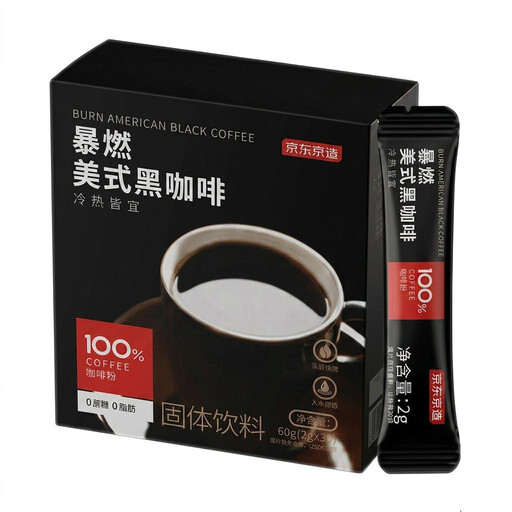
Individual plain-coffee sticks suit breakfasts where guests want a portion without measuring and can add milk separately.
The pack contains 60 sticks of 2g each, not 80. The coffee powder is described as 100% Arabica; check the selected pack variant before ordering.
 No image available
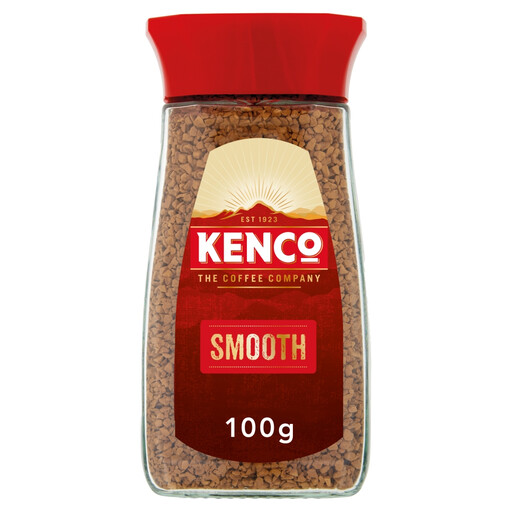
This plain instant-coffee jar lets guests vary the amount of coffee and add milk or sugar separately.
It contains 100g of freeze-dried instant coffee. Measure each cup and check the pack’s suggested serving if you need to estimate how many breakfasts it will cover.
 No image available
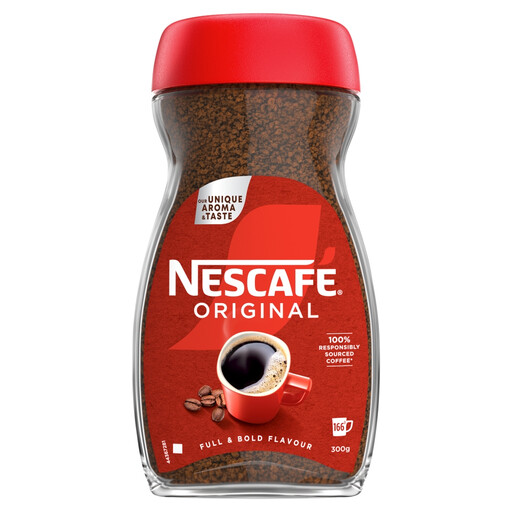
A plain-coffee jar allows different drinkers to adjust their cup rather than use identical pre-mixed portions.
The 300g soluble-coffee pack is described as an Arabica and Robusta blend. It is a jar, not an 80-stick box; consider whether your household will use the larger opened pack and keep it tightly sealed.
 No image available
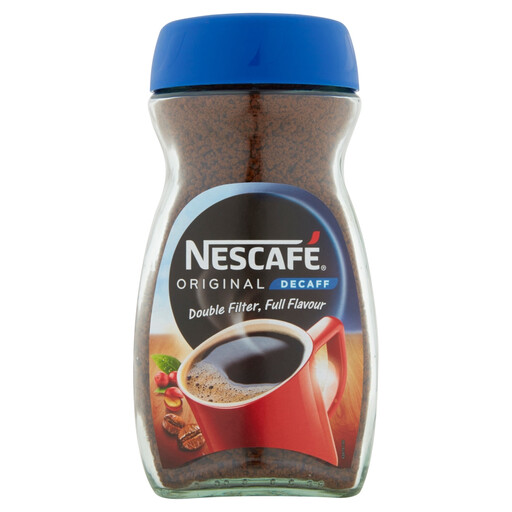
This decaffeinated soluble-coffee jar is an option when breakfast guests want decaf and are happy to measure each cup.
The pack contains 200g rather than individual sticks. Check its serving guidance when estimating cup yield and its product information if you need a caffeine amount per serving.
No. Individual portions are useful when the household will use that quantity and everyone wants the drink in the sachet. If people vary coffee strength or add their own milk and sugar, consider a plain-coffee jar or refill and use its suggested serving size to estimate how long it will last.
Read the description and ingredients on the particular pack. Kenco describes its 3in1 sachets as a blend of instant coffee, whitener and sugar; that is different from a stick containing plain instant coffee.
Check the current physical pack label, particularly for pre-mixed sachets with added ingredients. Retailers caution that ingredients can change, so an earlier online description should not be your sole reference before serving.
Check whether the exact product is regular or decaffeinated and look for its serving-specific caffeine information. For pregnancy, the NHS advises no more than 200mg of caffeine a day from all sources; its estimate of 100mg for a cup of instant coffee is not a fixed amount for every product.
Keep it tightly closed in a cool, dry place. JDE Professional gives this advice for Douwe Egberts Pure Gold; also follow the storage directions on the particular pack you buy.