Hosts making cups individually
An instant jar lets you prepare one cup at a time with hot water, without making a pot of coffee. Guests can add milk or sugar to their own cups.


An instant-coffee jar makes sense when you want to prepare individual cups with a kettle and let guests choose their own milk and sugar. If they expect brewed coffee, choose ground coffee or coffee bags instead: coffee bags brew in the mug but take longer than instant coffee. Keep a clearly identified decaf option if guests want one, and check the current pack label before serving anyone with an allergy.
The choice depends on whether guests want a quick individual cup, a decaf option or coffee brewed from ground beans.
An instant jar lets you prepare one cup at a time with hot water, without making a pot of coffee. Guests can add milk or sugar to their own cups.
Choose a product clearly labelled decaffeinated and keep it distinct from regular coffee when serving. Check the current pack’s ingredients and allergen statement for guests with dietary requirements.
Ground coffee or coffee bags fit that expectation better than soluble granules. Taylors of Harrogate Rich Italian Coffee Bags contain roast-and-ground coffee and brew in the mug.
Decide on the coffee format first; then check the pack’s preparation instructions and whether you need regular, decaf or both.
| Priority | What to check | Your needs |
|---|---|---|
| Coffee format | Check whether the pack says soluble or freeze-dried instant coffee, or roast-and-ground coffee. For conventional filter coffee, check that you have suitable ground coffee and brewing equipment. | For quick cups, I would choose instant coffee. If brewed coffee matters more, I would allow time for coffee bags or use a filter-brewing setup. |
| Preparation | Read the dose and water instructions on the exact pack. Sainsbury’s specifies one teaspoon per cup for its Gold Roast Decaffeinated jar; the Taylors Rich Italian coffee bags listing specifies a four-minute brew. | I may be making cups at different times, so I want to know how each option is prepared before guests arrive. |
| Decaf choice | Look for an explicitly decaffeinated product and keep its pack identifiable when serving alongside regular coffee. Do not use roast strength as a substitute for a decaf label. | If a guest asks for decaf, I want to be able to identify the right coffee without guessing from the jar’s appearance. |
| Pack suitability | Check the pack size, the number of jars or bags, and the storage instructions. Sainsbury’s says to replace the cap after using its Gold Roast Decaffeinated jar. | For occasional afternoon teas, I would check that the quantity suits how often I expect to serve coffee. |
| Allergen label | Read the current label on the exact product. M&S states that its Decaf Americano Micro-Ground Instant Coffee is not suitable for people with a milk allergy. | When serving someone with an allergy, I need to check their chosen pack rather than assume that plain or decaf coffee is suitable. |
Soluble coffee makes a cup by dissolving in water; it is not coffee brewed from ground beans. That distinction matters if guests have asked for filter-style coffee.
Ask which format they expect. Taylors of Harrogate lists its Rich Italian coffee bags as roast-and-ground coffee that brews in a mug for four minutes; conventional filter coffee needs suitable ground coffee and brewing equipment.
Decaf identifies a caffeine choice, not the allergen suitability of every product. M&S labels its Decaf Americano Micro-Ground coffee unsuitable for people with a milk allergy.
Check the current ingredients and allergen statement on the exact pack before serving a guest with an allergy.
A single jar, a multipack of jars and a box of coffee bags involve different storage and preparation arrangements.
Check the stated pack contents against how many cups you expect to make and follow the product’s closure and storage instructions.
These ranges illustrate different coffee formats; a brand’s inclusion here does not mean every product it makes is an instant jar.
Lavazza UK lists beans, ground coffee, capsules and pods. Its ground-coffee range is relevant if you are choosing a brewing method rather than an instant jar.
Rich Italian Coffee Bags provide roast-and-ground coffee brewed directly in a mug.
Tesco describes Pure Gold 190g as a medium-roast, freeze-dried instant coffee.
Tesco Gold Freeze Dried Coffee 150g is an own-label instant option made with Robusta and Arabica coffee.
Sainsbury’s Gold Roast Decaffeinated Instant Coffee Granules 200g is a clearly labelled decaf jar.
M&S lists regular and decaf Americano Micro-Ground products made with 95% instant coffee and 5% finely ground roast coffee.
These options include instant jars for individual cups, a decaf jar and coffee bags for guests who want a brewed cup.
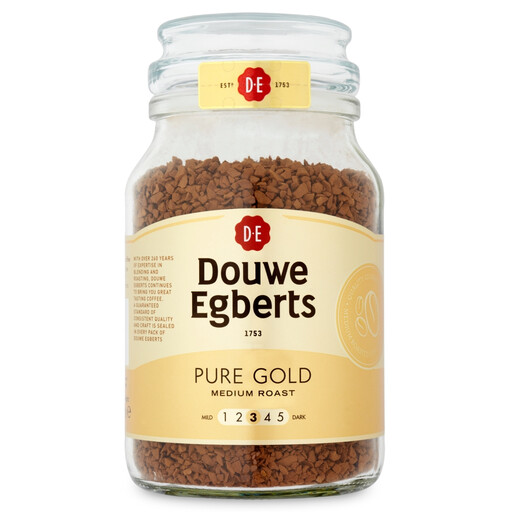 No image available
A 190g medium-roast instant-coffee option for making individual cups. Check the pack for its preparation instructions.
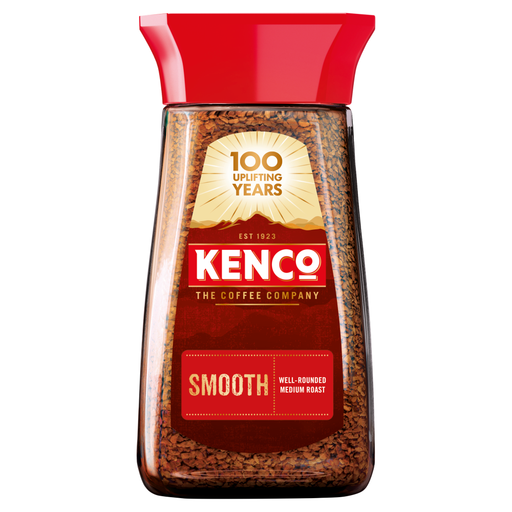 No image available
A 200g instant-coffee option for cups prepared individually. Follow the current pack’s directions for the amount of coffee and water.
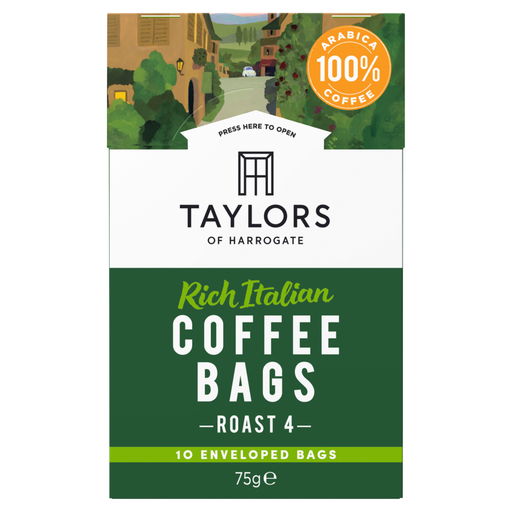 No image available
Roast-and-ground coffee bags for a brewed cup without a separate filter machine. The Rich Italian coffee bags instructions specify a four-minute brew; these are not instant coffee or a jar.
 No image available
A 300g decaffeinated coffee option to keep identifiable alongside regular coffee. Check the current pack for preparation directions and dietary suitability.
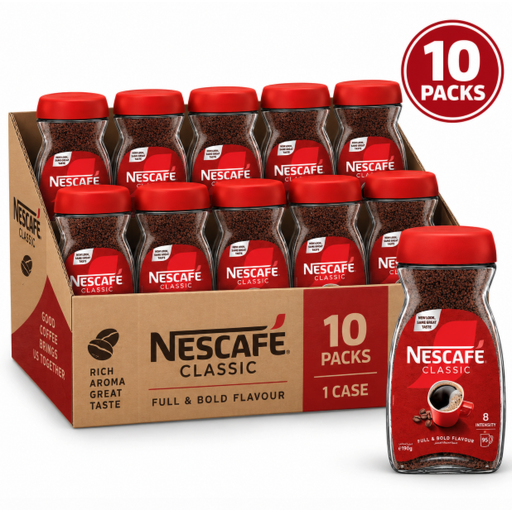 No image available
Instant coffee in a pack of ten 190g jars for hosts expecting to use multiple jars. Check that the quantity suits your storage space and likely use.
No. Tesco Gold and Sainsbury’s Gold Roast Decaffeinated are soluble, freeze-dried coffees prepared in the cup; filter coffee is brewed from ground coffee. Taylors of Harrogate Rich Italian coffee bags offer an in-cup brewed option and specify four minutes.
Keep the products separately identifiable and choose one explicitly labelled decaffeinated for guests who request it. Sainsbury’s Gold Roast Decaffeinated is one instant-jar example; check each current pack before serving.
Follow the instructions on the jar you are using. Tesco specifies 1–2 teaspoons per cup for Tesco Gold Freeze Dried Coffee, while Sainsbury’s specifies one teaspoon for its Gold Roast Decaffeinated coffee.
Yes, check the current label of the exact product when serving someone with an allergy. M&S states that its Decaf Americano Micro-Ground Instant Coffee is not suitable for people with a milk allergy; do not assume that statement applies to every coffee.
Follow its pack instructions for closing and storing it. Sainsbury’s tells users to replace the cap after using its Gold Roast Decaffeinated jar.