Households keeping coffee ready
If a large supply needs to fit into a busy household routine, the choice is between measuring coffee from a jar and keeping individual portions to hand.


Only choose a box described as containing 240 instant-coffee portions after checking what the count covers on the exact product listing. For a new-parent cupboard, a jar or refill lets you adjust each serving, while sticks provide individual portions; neither a jar’s weight nor a catering description establishes 240 drinks. If pregnancy or breastfeeding affects the choice, account for caffeine from other foods and drinks as well as coffee, using the applicable NHS guidance.
If a large supply needs to fit into a busy household routine, the choice is between measuring coffee from a jar and keeping individual portions to hand.
During pregnancy or breastfeeding, the coffee choice sits alongside caffeine from other drinks and foods. A clearly labelled decaf product is a separate option to consider.
When someone avoids milk, distinguishing plain instant coffee from an all-in-one latte or cappuccino sachet matters before buying a large quantity.
Start with the format and quantity, then check the preparation, caffeine and ingredients of the exact product.
| Priority | What to check | Your needs |
|---|---|---|
| Pack quantity | For sticks or sachets, check the number of individual portions and any multipack breakdown. For a jar, check its weight and stated serving size rather than treating an indicative cup count as a fixed supply. | I need to know whether I am buying individual portions or coffee I will measure myself. A 240-drink requirement calls for a confirmed portion count, not just a large pack. |
| Preparation | Check how much coffee the instructions use per drink and whether milk or sugar is added separately. A jar allows the amount measured for each cup to vary. | Some days I may want to make coffee from a jar; at other times, an individual stick may be simpler to keep in the cupboard. |
| Caffeine | Read the serving and caffeine information for the exact coffee, including whether it is labelled decaf. The NHS advises no more than 200mg of caffeine a day during pregnancy and says to try not to exceed 300mg a day while breastfeeding; caffeine from other sources counts too. | If pregnancy or breastfeeding is relevant in my household, I need to consider the whole day’s caffeine intake, not just the number of coffees. |
| Ingredients | Check whether the product is plain soluble coffee or an all-in-one drink, and read its ingredient and allergen information. The Joybuy NESCAFÉ Latte listing, for example, names skimmed milk powder and sugar. | I want to know whether everyone using the cupboard can add their own milk, or whether the sachet already contains ingredients they avoid. |
A counted case of sticks and a jar measured by weight describe different quantities. The number of drinks made from a jar changes with the amount used per cup.
Confirm the individual stick or sachet count, or check the jar’s weight and stated serving basis. Do not convert its weight into 240 cups using an assumed scoop size.
The NHS gives different daily caffeine guidance for pregnancy and breastfeeding, and coffee is not the only possible source of caffeine.
Consider caffeine from the day’s other foods and drinks. If choosing decaf, check that the exact product is labelled decaffeinated and follow its preparation information.
An all-in-one sachet can contain milk-derived ingredients and sugar. Joybuy’s NESCAFÉ Latte listing names skimmed milk powder and sugar, so it is not interchangeable with plain granules for someone avoiding those ingredients.
Read the ingredients and allergen declaration on the exact pack before buying for a shared household.
A title and the detailed product information need to describe the same variant. Stock and listing details can also change before an order is placed.
Check the full variant name, pack size, ingredients and current listing details together before ordering.
Its instant-coffee range includes regular and decaf formats, making the exact variant important when choosing for a shared cupboard.
Kenco lists jars and refills alongside other coffee formats, so check whether the particular product is plain instant coffee or an all-in-one drink.
Larger jars are a different route from individually counted sticks.
Carte Noire offers instant-coffee formats for shoppers comparing ingredients as well as pack size.
Its own-brand jars provide a weight-labelled option for a household that does not need individually wrapped portions.
These are plain instant-coffee and decaf jar or multipack options for a household considering alternatives to individually counted sticks. Check each pack’s quantity rather than treating it as a box of 240 portions.
 No image available
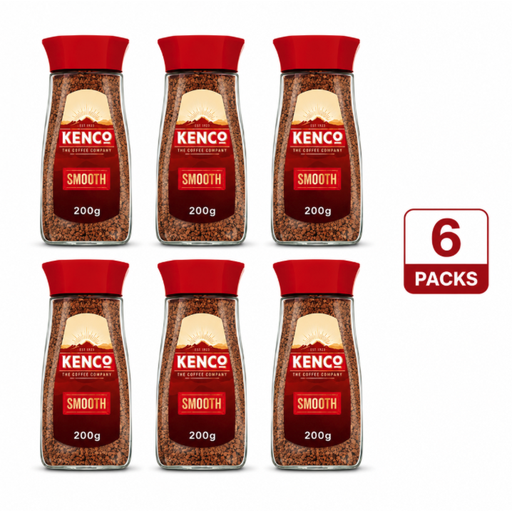
Six 200g packs offer a cupboard supply of plain instant coffee rather than 240 individual portions. The product description gives a 1.8g serving basis and cautions against use during pregnancy and breastfeeding; check the pack and caffeine information if either applies.
 No image available
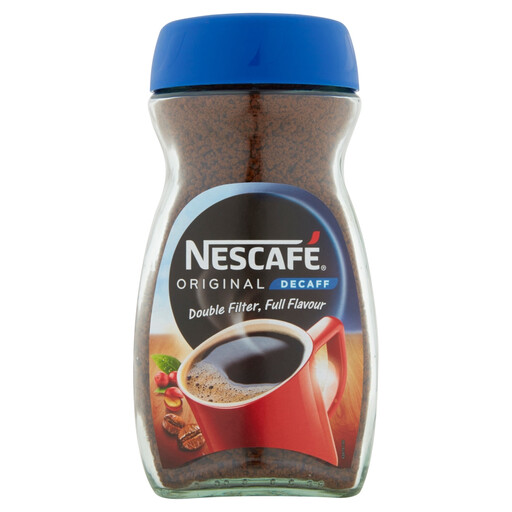
This 200g jar is identified as decaffeinated soluble coffee for a household choosing a decaf format. Its weight does not establish a 240-drink count; check the pack’s preparation and caffeine information when planning servings.
 No image available
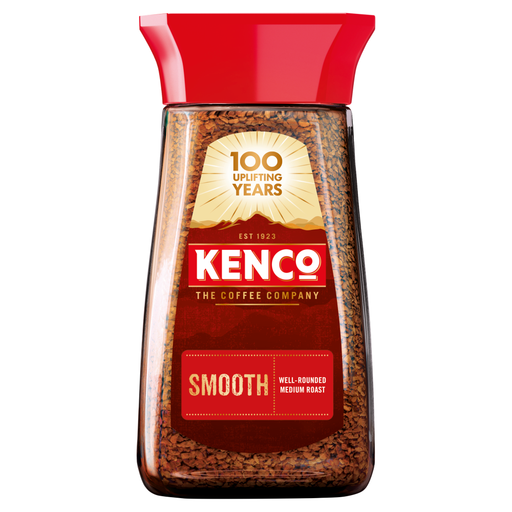
This 200g jar suits a cupboard where coffee is measured for each drink rather than supplied in individual sticks. Its instructions say to add 1–2 teaspoons to hot water, so the number of drinks depends on the amount used; check the pack’s caffeine information if tracking intake.
No. Check whether the figure counts individual sticks or sachets, describes a multipack total, or estimates cups from a jar. A jar’s yield depends on the amount used per drink; a listed 200 x 1g stick case contains 200 individual sticks, not 240.
The NHS advises no more than 200mg of caffeine a day during pregnancy. Count caffeine from other foods and drinks as well as coffee, and check the serving information for the exact product. Nescafé describes its Original and Gold instant coffees as containing 50mg to 90mg per 2g serving.
The NHS says to try not to have more than 300mg of caffeine a day while breastfeeding. Consider caffeine from all sources when choosing how coffee fits into the day, and check the product’s serving information.
Do not assume so: ingredients differ by product. Joybuy’s NESCAFÉ Latte listing names skimmed milk powder, so read the ingredient and allergen information on the exact sachets before buying for someone who avoids milk.