Students setting up a shared kitchen
Instant coffee needs hot water and stirring; a coffee bag adds steeping and a used bag to clear away. Choose a format that fits your cupboard space and check where your residence permits kettle use.


Choose soluble instant coffee when you want to stir a cup together without steeping or removing a bag. Choose a coffee bag if you want brewed ground coffee without a machine and are happy to wait for it to steep; a pyramid coffee bag is still a brewed bag, not instant coffee. Before stocking a shared kitchen, check your accommodation’s kettle rules, the exact product format and the pack size.
The useful distinction when moving in is whether you want coffee that dissolves or ground coffee that brews in a bag.
Instant coffee needs hot water and stirring; a coffee bag adds steeping and a used bag to clear away. Choose a format that fits your cupboard space and check where your residence permits kettle use.
A ground-coffee bag can brew in a mug without a cafetière or grinder. Allow the time stated on the pack and somewhere to dispose of the bag afterwards.
Choose a product specifically labelled decaf if that is the format you want. Check information for the exact product and serving rather than judging caffeine content by flavour or bag shape.
Start with the preparation method, then check what will fit your kitchen routine and how much of an unfamiliar format you want to buy.
| Priority | What to check | Your needs |
|---|---|---|
| Product format | Look for soluble granules or powder if you expect coffee to dissolve. Ground-coffee bags, including pyramid-shaped bags, must steep and then be removed. | I want to know whether I can stir the coffee into water or need to brew it before I buy. |
| Preparation | Read the directions for the exact product. Sainsbury’s lists a four-minute brew for Taylors Flying Start coffee bags; check your residence rules before planning to use a kettle in your room. | A mug and access to hot water may be all I have when I move in. I need a routine that works in the kitchen I can use. |
| Sachet contents | Check whether a sachet contains plain instant coffee or a prepared mix. Read the ingredients and nutrition information if milk or sugar matters to your choice. | Single portions appeal to me, but I may want to add my own milk and sugar rather than buy a premixed drink. |
| Caffeine and decaf | Check the named product’s decaf designation and any serving information on its pack. Do not assume that different blends or coffee formats have the same caffeine content. | I want to distinguish a labelled decaf choice from standard coffee and keep track of what is in my cup. |
| Pack size | Compare the stated quantity and serving instructions. A small coffee-bag pack lets you try steeped coffee before committing to a larger case; keep the product’s storage directions in mind. | Until I know whether I like brewing a bag, I would rather avoid filling a shared cupboard with a large pack. |
Soluble coffee dissolves, whereas a bag containing ground coffee needs time to brew. A pyramid shape does not change that distinction.
Read the format and preparation directions: choose soluble coffee for stir-and-drink preparation, or a coffee bag when you are willing to steep and remove it.
A case of 50 envelopes commits you to many servings of a preparation style you may not yet know you like.
Try a smaller coffee-bag pack first if you are unsure about steeped coffee. Check the case quantity and available cupboard space before buying in bulk.
A jar, a bag pack and premixed sachets can contain different quantities and require different additions to make a drink.
Check the pack quantity, serving directions and whether milk or sugar is already included. If a retailer displays a loyalty promotion, distinguish it from the standard shelf offer.
Accommodation rules belong to the individual provider, while caffeine information belongs to the particular product and serving. The University of Liverpool, for example, permits kettles in designated kitchens rather than throughout its halls.
Read your own residence rules before deciding where you will make coffee, and check the exact pack when caffeine or a decaf designation matters.
These examples illustrate the formats to look for; a brand name alone does not tell you whether a particular product is soluble, premixed or brewed in a bag.
A reference point for conventional soluble instant coffee.
An example of a range spanning instant coffee and prepared sachet-style drinks.
An instant-coffee reference with distinct named variants.
A ground-coffee-bag example for making brewed coffee in a mug.
A pyramid-shaped ground-coffee-bag example for shoppers seeking that particular format.
These options cover a brewed coffee bag, coffees to consider for an instant-coffee routine and portioned 3-in-1 mixes. If a pyramid-shaped bag is essential, check that feature on the exact pack rather than assuming every coffee bag has it.
 No image available
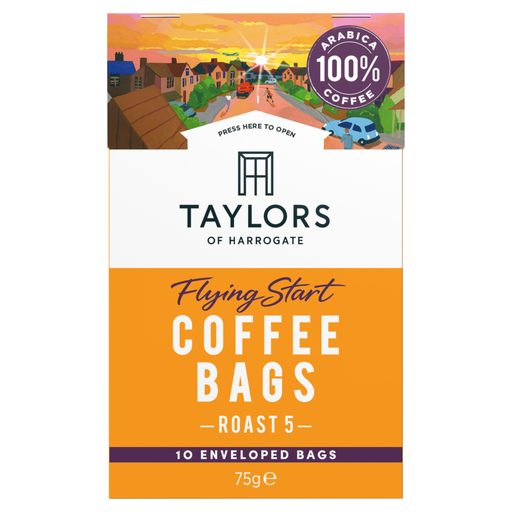
For brewed ground coffee in a mug without a machine. Sainsbury’s directions for Flying Start specify a four-minute brew, so allow time to steep and remove the bag. Check the pack if its shape or bag count matters to you.
 No image available
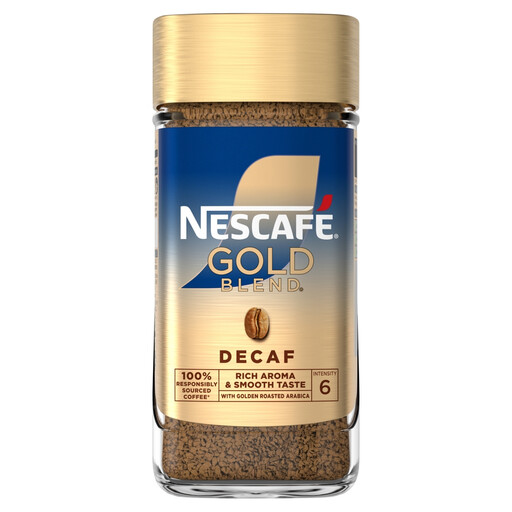
A named decaf option to consider if you prefer a coffee jar to a brewing bag. Check this blend’s preparation and serving information on the pack; do not apply figures for NESCAFÉ Original to Gold Blend Decaf.
 No image available
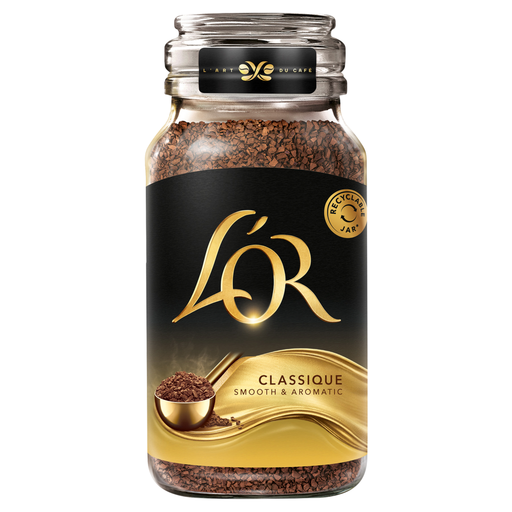
A 150 g coffee option for shoppers considering a jar rather than individual bags. Check the pack’s format and preparation directions to make sure it fits the hot-water routine you have in mind.
 No image available
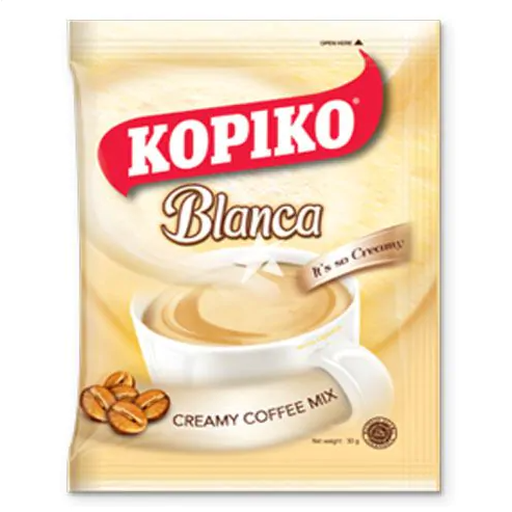
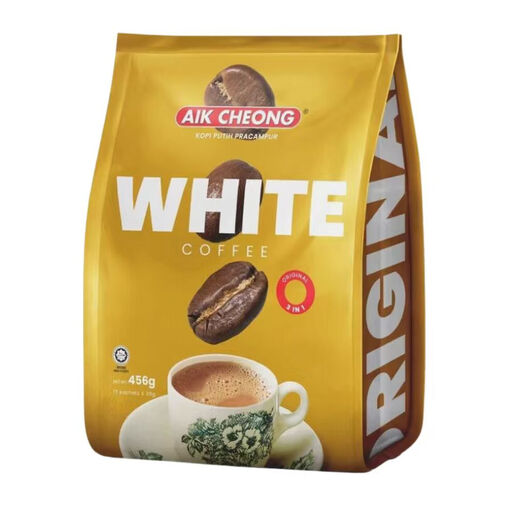
For someone who wants individual 3-in-1 portions rather than a coffee jar or brewing bag. The title specifies 10 portions of 30 g; check the ingredients if you want plain black coffee or need to avoid milk or sugar.
 No image available
For portioned 3-in-1 coffee in a shared kitchen. The pack title specifies 12 sachets of 38 g; read the preparation and ingredient panels if you need to check what each portion contains.
No. The Raw Bean pyramid-bag example contains ground coffee and needs steeping; soluble instant coffee dissolves in water. Check the preparation directions if a pack’s name does not make the format clear.
A coffee bag can brew in a mug with hot water, without a coffee machine. Check where your residence permits kettle use: the University of Liverpool, for example, allows kettles in designated kitchens, but its rule does not apply to every hall.
Follow the storage directions on the product you buy and keep its container or pack closed. A dry cupboard may be more practical than leaving an open pack on a shared kitchen counter.
Not necessarily. GOV.UK distinguishes best-before dates, which concern quality, from use-by dates, which concern safety. Follow the pack’s storage instructions and check the date wording rather than treating the two labels as equivalent.
No. Choose a specifically labelled decaf product if that is what you want, and check caffeine information for the exact product and serving. Neither a mild flavour nor a pyramid-shaped bag tells you its caffeine content.