
24/7 Customer Support

Free returns

Same-day & Next-day Delivery

Quality Guaranteed

Unlock Your Welcome Offers: FREE Delivery | Up to 80% OFF | Free 30-day JoyPlus trial
Download the APP
By Joybuy Product Recommendation Officer
Instant coffee sachets are a practical choice for UK households, office drawers, holiday luggage and quick morning drinks. They remove the need for a cafetière, coffee machine or separate milk and sugar. However, a convenient format does not automatically mean every pack suits your taste, diet or budget.
The main buying pitfalls are easy to miss:
Before choosing coffee sachets, UK shoppers should check the ingredients, preparation volume, number of servings and allergen information rather than relying only on front-of-pack descriptions.
Black coffee sticks generally contain coffee only, making them suitable for people who prefer to add their own milk, sweetener or ice. For example, the J.ZAO American-Style Instant Black Coffee contains 100% Arabica coffee powder, with 2g individual sticks and no listed sugar or fat.
A 2-in-1 blend usually combines instant coffee with creamer. The Aik Cheong 2-in-1 White Coffee Sticks contain instant coffee and non-dairy creamer, but no separately listed sugar in the supplied ingredient information. This can suit drinkers who want a creamy cup while controlling sweetness themselves.
A 3-in-1 instant coffee combines coffee, creamer and sugar in one sachet. It is convenient, but the nutritional profile can be more energy-dense. For instance, Kopiko Brown Coffee lists sugar as its first ingredient, while Kopiko Coffee Blanca provides 137 kcal and 17.4g sugar per 30g serving according to the supplied product information.
A larger sachet is not necessarily a stronger coffee. Some of the total weight may come from sugar, milk powder or creamer. Check the percentage of coffee where it is provided, as well as the recommended water volume.
For a smaller drink, Trung Nguyen Legend Cappuccino Hazelnut recommends one sachet with 70–75ml of hot water. By contrast, Aik Cheong Cappuccino Coffee Mix and many Malaysian white coffee sachets are designed for roughly 180–200ml. These differences matter when comparing value and flavour intensity.
Pack size also affects convenience. A six-sachet latte pack may suit occasional use, while 12-, 15-, 20- or 60-stick formats can be more practical for regular home or workplace consumption.
Milk is common in creamer, skimmed milk powder and milk proteins. Some products may also contain or potentially contain soya, cereals or sulphites. Always check the current packaging, especially if you have an allergy or are buying for someone else.
Coffee sachets contain caffeine unless the label states otherwise. Products supplied here advise that they are not suitable for children and may not suit pregnant people or individuals sensitive to caffeine. Consider when you drink coffee, particularly if it may affect your sleep.
Keep unopened sachets in a cool, dry place away from direct sunlight and moisture. Individual wrapping helps with portability and portion control, but it does not remove the need to follow the stated best-before information.
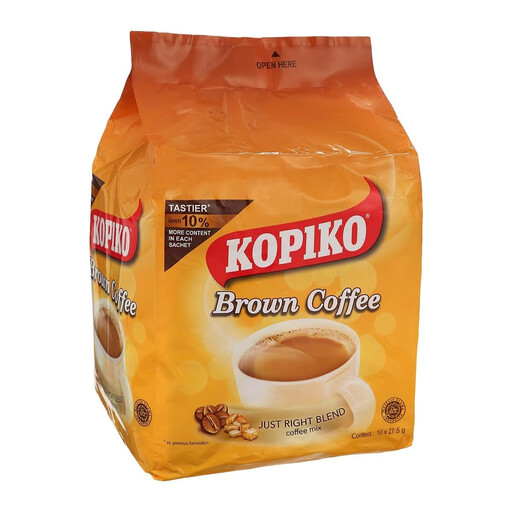
Why This Fits Their Persona: The 10 individual 27.5g sachets offer a straightforward starting point for home, office or travel use without committing to a large multipack.
The product is clearly presented as a 3-in-1 drink, so buyers can account for its sugar and creamer rather than assuming it is black coffee.
Individual portions; ingredients and allergen information are provided, including milk from sodium caseinate.
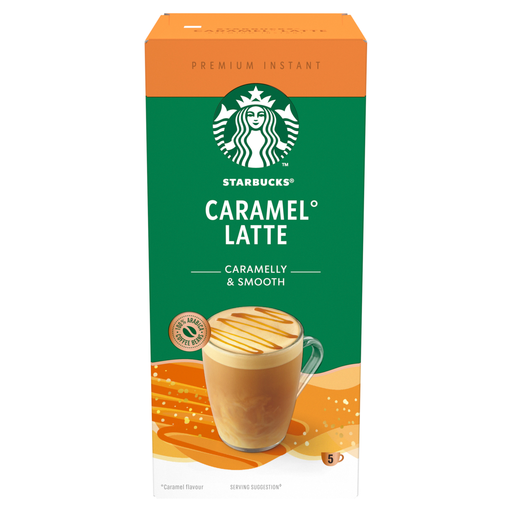
Why This Fits Their Persona: A smaller five-sachet pack suits occasional café-style drinks at home, with a caramel flavour and milk-based recipe.
The stated coffee content is 5.8% and the product contains milk, so shoppers can make an informed choice instead of judging quality from branding alone.
Each sachet is 23g; the supplied nutrition information lists 88 kcal per sachet.
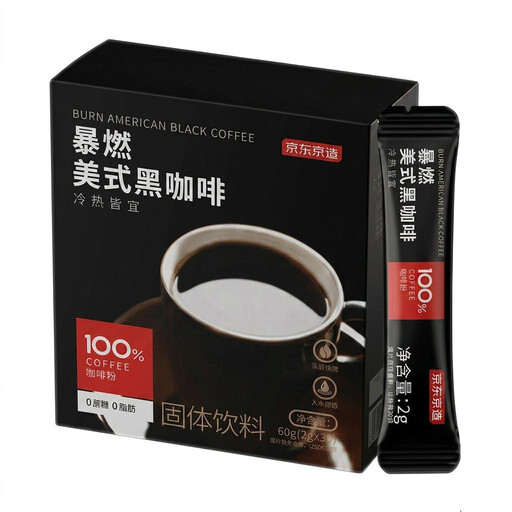
Why This Fits Their Persona: Sixty single-serve coffee sticks are suited to frequent drinkers, shared office cupboards, travel and flexible hot or iced preparation.
It contains coffee powder only, avoiding hidden creamer and sugar found in many premixes. Caffeine guidance still applies.
2g sticks; suitable for hot or cold water and for adding milk or ice according to preference.
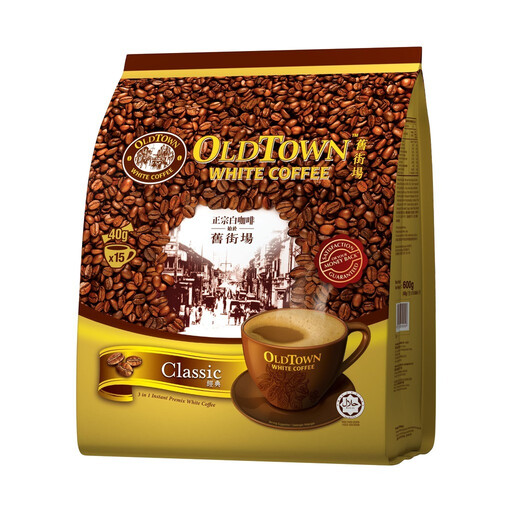
Why This Fits Their Persona: This larger Malaysian white coffee pack is suitable for households or offices that regularly prepare creamy 3-in-1 drinks.
The product specifies an 8.6% instant coffee content and identifies milk and soya allergens, helping buyers assess the blend clearly.
Fifteen 40g sachets; designed to be mixed with hot water and stored in a cool, dry place.
We have compiled a complete, real-time list of products that fully satisfy these strict selection criteria and UK safety regulations.
Follow the individual pack instructions. Many latte, cappuccino and white coffee sachets use 150–200ml, while some concentrated cappuccino products recommend around 70–75ml. Add the powder first, pour in the stated amount of hot water and stir thoroughly.
They have a best-before date printed on the packaging. Store them sealed in a cool, dry place away from sunlight, moisture and strong odours. Discard damaged or compromised sachets and check the label before use.
They can reduce preparation time and avoid buying separate ingredients, but value depends on the number of servings, sachet weight and how much of each serving you actually consume. Compare cost per sachet, not only the pack price, and check sugar and creamer content if those are important to you.