
24/7 Customer Support

Free returns

Same-day & Next-day Delivery

Quality Guaranteed

Unlock Your Welcome Offers: FREE Delivery | Up to 80% OFF | Free 30-day JoyPlus trial
Download the APP
Instant coffee sachets can make a hot drink in minutes, but convenience does not automatically mean good value or the right flavour for your routine. UK shoppers comparing 3-in-1 coffee, latte sachets and ready-to-drink coffee need to look beyond attractive packaging and café-style wording.
The most common buying pitfalls are:
First decide whether you want a drink made with hot water or a chilled bottle that is ready to consume.
Single-serve coffee sachets are practical for desks, guest rooms, commuting and holidays because each portion is pre-measured. Most require you to empty the powder into a mug, add hot water and stir. Follow the pack instructions, as water volume affects strength and sweetness.
For example, Aik Cheong White Coffee 3in1 Creamy recommends approximately 180–200ml of boiling water for each 38g sachet. Trung Nguyen Legend Cappuccino Hazelnut uses a smaller preparation volume of 70–75ml, creating a more concentrated drink. These differences show why sachet weight alone does not determine the final cup size.
Ready-to-drink coffee needs no preparation, but bottled products such as Costa Coffee Latte and Costa Coffee Caramel Latte require refrigeration at 2–8°C. They are less suitable for an office drawer or emergency cupboard supply.
Read the ingredient list rather than relying on terms such as “smooth”, “premium” or “café-style”. Common components include instant coffee, sugar, skimmed milk powder, non-dairy creamer, glucose syrup, coconut oil and flavouring.
If you are monitoring sugar or energy intake, compare the per-serving information. Kopiko Coffee Blanca 3in1 lists 137 kcal and 17.4g sugar per 30g serving, while Starbucks Premium Instant Caramel Latte lists 88 kcal and 14.2g sugar per 23g sachet. These figures are product-specific and should be checked against the current packaging before purchase.
Allergen information is equally important. Many options in this category contain milk, including Kenco latte and cappuccino sachets, Aik Cheong White Coffee and Costa bottled drinks. Some products may also state possible soya or cereal cross-contact. Always read the bold allergen declaration, particularly if preparing drinks for guests or a shared workplace.
The term “latte” generally suggests a milky, mellow drink, while cappuccino sachets may offer a stronger coffee profile with froth. Caramel latte coffee and flavoured instant coffee add sweetness and aroma, whereas Malaysian white coffee often combines a creamy texture with a roasted, smooth profile.
For nutty flavour, compare products carefully. Trung Nguyen Legend Cappuccino Hazelnut contains instant and ground roasted coffee totalling 12% of the blend and uses hazelnut flavouring. Old Town 3 in 1 White Coffee Hazelnut combines instant coffee, creamer, sugar and permitted flavouring. The ingredient wording and allergen statement should guide your choice rather than the front-of-pack flavour image.
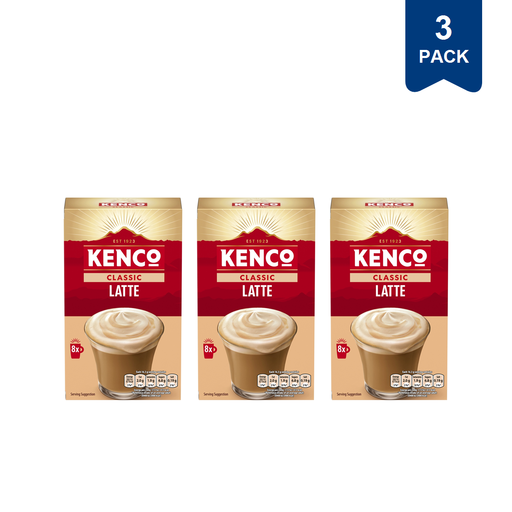
Why This Fits Their Persona: The three-pack format provides 24 individual portions, making it suitable for shoppers building a regular home or office supply without buying a large bulk box.
The listing clearly states the sachet count and 16.3g serving size, helping you compare the actual number of drinks rather than relying on pack appearance.
Individual portions; ingredients include skimmed milk powder and 9% instant coffee; suitable for a quick hot latte.
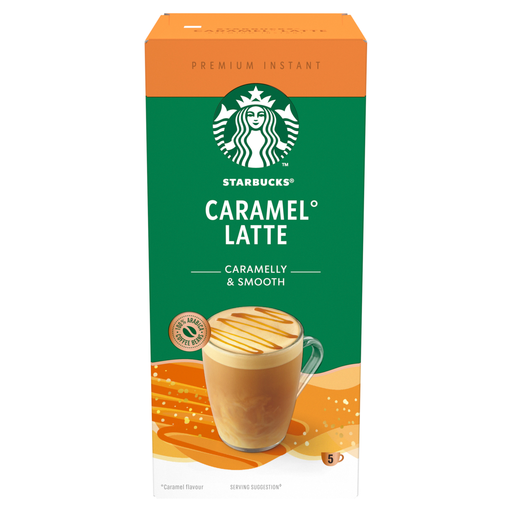
Why This Fits Their Persona: A smaller five-sachet box suits occasional treats, home coffee breaks and shoppers who want to try a caramel flavour without committing to a large pack.
The product page gives the 23g sachet size, ingredient list and per-sachet nutrition, allowing a direct comparison with other instant latte sachets.
Caramel flavouring; contains skimmed milk powder; 88 kcal and 14.2g sugar listed per sachet.
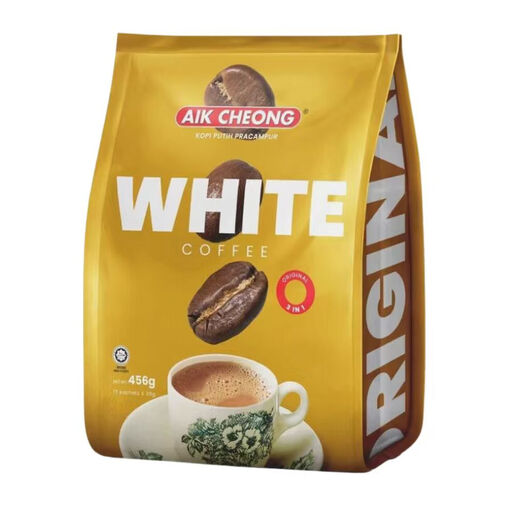
Why This Fits Their Persona: Twelve 38g portions suit frequent hot-drink routines and shoppers interested in Malaysian white coffee for home or office use.
The pack states the serving size, preparation volume and milk allergen, reducing uncertainty about cup strength and suitability.
Twelve sachets; made in Malaysia; can be prepared hot or blended with ice according to the product information.
We have compiled a complete, real-time list of products that fully satisfy these strict selection criteria and UK safety regulations.
They can reduce preparation and equipment costs, but value depends on the price per sachet, serving size and frequency of use. Divide the pack price by the number of sachets to compare like for like. Also account for whether the drink already includes creamer and sugar, as separate additions may not be needed.
Empty one sachet into a mug, add the quantity of hot water stated on the packaging and stir until fully dissolved. Do not seal or shake a travel mug while dry powder is still dissolving, and take care with boiling water. For a stronger drink, choose a product designed for a smaller water volume rather than automatically using two sachets.
Unopened sachets normally carry a best-before date on the packaging. Store them in a cool, dry place away from sunlight, moisture and strong odours. Once opened, use the sachet promptly. Ready-to-drink coffee has different requirements: keep it refrigerated as directed and check the use-by or best-before information before consuming.