Occasional visitors sharing one jar
If stays are infrequent and preferences vary, consider a smooth or balanced coffee in a jar you expect to use. Check its storage instructions before leaving it opened between visits.


If one jar needs to serve people with different tastes, a smooth or balanced instant coffee is a sensible starting point; choose a richer blend when the regular drinkers already prefer one. Keep a separate decaf jar if someone is likely to want it, and match jar size to how often the second home is used so an opened jar does not sit between many visits.
How often the home is used, who drinks the coffee and whether anyone wants decaf matter more than choosing one flavour for every possible guest.
If stays are infrequent and preferences vary, consider a smooth or balanced coffee in a jar you expect to use. Check its storage instructions before leaving it opened between visits.
If a regular visitor avoids caffeine or prefers decaf later in the day, a clearly identified decaffeinated coffee gives them an option separate from the regular jar.
For a cupboard that is used only occasionally, an own-label instant coffee may meet the need for a straightforward backup. Check the pack size, current label and storage directions rather than assuming every jar has the same blend or format.
Start with the people most likely to drink the coffee, then choose the format and jar size you can store between stays.
| Priority | What to check | Your needs |
|---|---|---|
| Blend profile | Read the maker’s flavour description. Nescafé describes Gold Blend as smooth and medium roast; Kenco distinguishes Smooth from its bolder Rich coffee. These are product descriptions, not independent taste results. | If several people will use one jar, I would start with a balanced profile. If the regular drinkers prefer a bolder cup, a rich blend may make more sense. |
| Decaf | Look for a product explicitly labelled decaffeinated rather than making regular coffee weaker. Check the exact pack if caffeine content or ingredients matter to a drinker. | Someone who visits may want decaf, so I would keep it as a separate option instead of expecting the regular jar to cover that need. |
| Jar size | Compare the stated weight with how quickly the household uses coffee. Check the best-before date and the pack’s directions for storage after opening. | When visits are far apart, I would rather open an amount we are likely to use than leave a larger jar standing for months. |
| Storage | Check where the jar can be kept away from heat and moisture, and whether its lid closes securely. Douwe Egberts advises cool, dry storage and tightly sealed packaging for its Pure Gold professional pack. | The cupboard may be unattended between stays, so I need somewhere suitable to keep an opened jar closed and dry. |
| Current pack details | Check the physical label for ingredients, allergens, preparation and storage instructions, particularly when serving someone with an allergy or intolerance. | Before offering coffee to guests, I want to know what the jar in the cupboard actually contains, not rely on a description of a similar product. |
A bold coffee may suit regular drinkers who prefer it, but guests with unknown preferences may want something less intense.
If you are stocking one jar for a varied group, consider a smooth or balanced profile. Choose a richer jar when you know it matches the people who use the home most.
Coffee makers give storage directions for their products. Douwe Egberts says its Pure Gold packaging should be kept tightly sealed to maintain freshness and aroma.
Follow the jar’s own instructions, close it after use and check its best-before date before a stay. GOV.UK explains that a best-before date concerns when food may begin to lose quality.
An opened jar may lose aroma before you finish it.
Using less regular coffee does not turn it into a decaffeinated product. The distinction matters when a visitor is managing their caffeine intake.
Keep decaf clearly separate if it is a known need, and let anyone following individual medical advice check whether the product suits them.
A range may contain different blends and formats, so a description of one coffee cannot establish the ingredients or storage directions for another.
Read the current physical label, check the seal and best-before date, and confirm that the coffee meets a guest’s stated allergen requirements before serving it.
These range descriptions help distinguish blend types; they do not mean that every named product is among the Joybuy options below.
Nescafé describes Gold Blend as a smooth, medium-roast Arabica-and-Robusta instant coffee and offers a distinct Gold Blend Decaf.
Kenco distinguishes Smooth, Rich and Decaf in its instant-coffee range.
Douwe Egberts positions Pure Gold as a mild, smooth and balanced freeze-dried coffee.
A Sainsbury’s listing identifies Carte Noire Classique as freeze-dried instant coffee and gives storage directions for the listed jar.
Tesco lists its Gold Instant Coffee as a freeze-dried, medium-strength own-label option.
Sainsbury’s lists own-label Gold Roast, Gold Roast Decaffeinated and Rich Roast instant coffees.
These jars cover smooth or medium-roast regular coffee and separate decaf options for a second home. Choose between them according to who drinks coffee there and how often an opened jar will be used.
 No image available
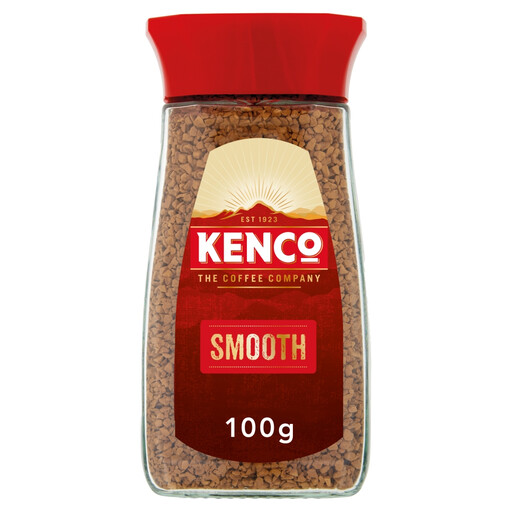
A 100g regular-coffee option to consider when an occasional-use home needs one shared jar. Kenco describes Smooth as full-flavoured without an overly strong or bitter taste; check the pack’s storage and closure instructions for the time between visits.
 No image available
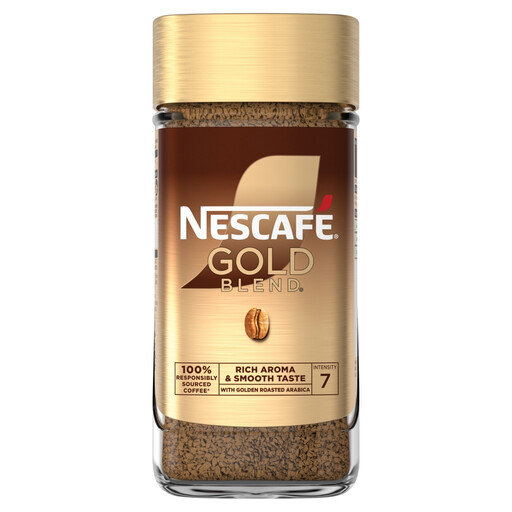
Nescafé describes Gold Blend as a smooth, medium-roast coffee, making its stated profile a starting point for mixed preferences. This 190 g jar may suit more frequent use than a smaller one; store it as directed on the pack between stays.
 No image available
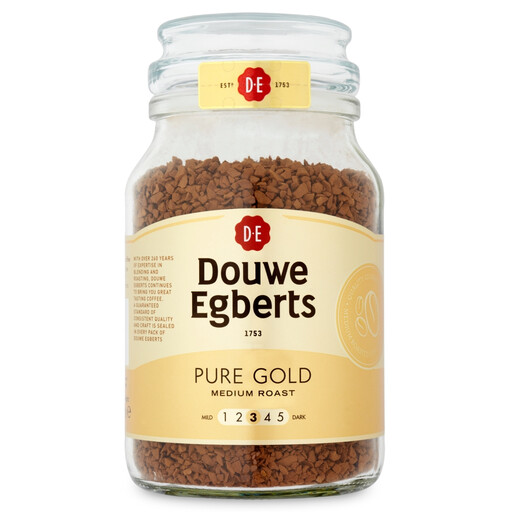
This 190g medium-roast jar is a regular-coffee option for a shared cupboard. Douwe Egberts describes Pure Gold as mild and balanced; for infrequent stays, consider whether the jar size fits your use and follow this pack’s storage directions.
 No image available
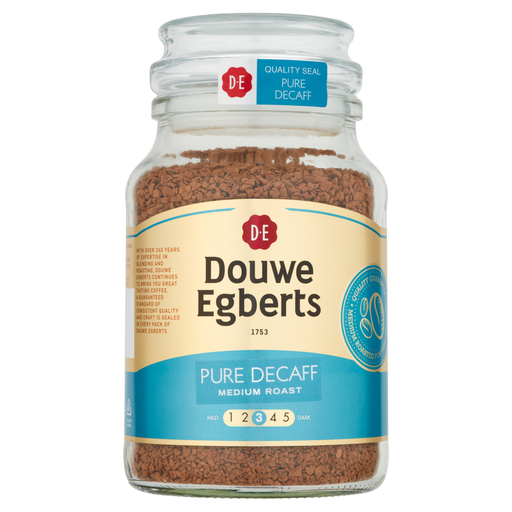
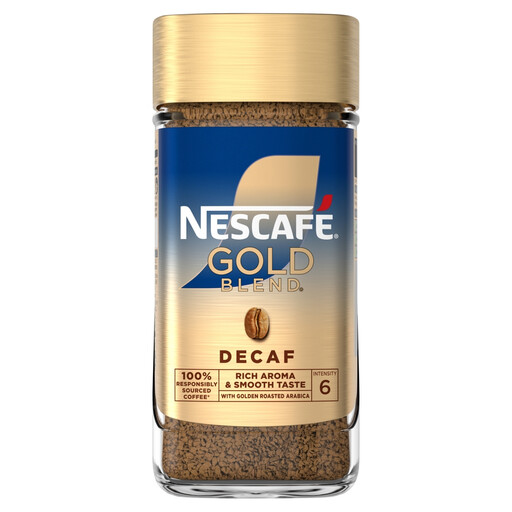
A separate 190g decaf jar for a household or guest who requests decaffeinated coffee. If it will be used only occasionally, consider how long it may remain open and check the current pack for storage directions and any caffeine information important to the drinker.
 No image available
This 190g decaf option can sit alongside a regular jar when visitors want a decaffeinated coffee. Check whether that size fits likely use, and read the current pack for storage instructions and any details needed for individual caffeine requirements.
A larger jar makes more sense if the coffee will be used regularly; for infrequent visits, consider how long it would stand open. Follow its storage directions and check its best-before date. GOV.UK explains that best-before dates concern quality, rather than serving the same purpose as use-by dates.
A smooth or balanced coffee is a practical starting point when preferences are unknown, though no flavour suits everyone. If the regular users already favour a bolder cup, choose a rich blend with their preference in mind.
Keep a separate, clearly labelled decaf jar if a regular user or likely guest wants one. Consider the jar size if only a few people will drink it, and check the particular product’s label where caffeine intake or ingredients matter.
The NHS advises pregnant people not to exceed 200mg of caffeine a day from all sources and estimates about 100mg in a cup of instant coffee. A second-home cupboard can offer decaf as another choice, while the individual follows their own NHS or clinician advice.
Yes, check the physical label of the exact jar before serving someone with an allergy or intolerance. Nescafé describes Gold Blend Decaf as soluble coffee with no allergens, but that statement should not be applied to other products or formats.