Hosts serving a group with varied preferences
Plan for guests who want regular or decaf coffee, black coffee or additions served separately. A single pre-mixed recipe will not offer all of those choices.


Choose coffee sticks for self-service or straightforward portioning, and jars when a host can make each cup to order. Do not assume a box labelled 240 contains 240 portions of instant coffee: check what the units are, then plan regular and decaf coffee separately. Keep plain coffee available if guests may want it black or need to choose their own additions.
The serving method matters as much as the pack size: a staffed tea, a self-service table and a care setting call for different checks.
Plan for guests who want regular or decaf coffee, black coffee or additions served separately. A single pre-mixed recipe will not offer all of those choices.
Choose a serving process that follows the setting’s food-safety procedures and each person’s relevant care or support plan. The Health and Safety Executive identifies older people and people with reduced mobility or sensory impairment among those potentially at risk from scalding.
Decide whether individual sticks or a host-served jar fits the event before choosing a case count. Nisbets and Zepbrook list 200-count coffee-stick formats, while Tesco lists a 400g instant-coffee jar; these formats require different ways of estimating cups.
Start with who will make the drinks, then check the coffee count, decaf choice and ingredients against the people being served.
| Priority | What to check | Your needs |
|---|---|---|
| Serving format | Check whether guests will select individual sticks or a host will measure coffee from a jar. Nisbets describes its NESCAFÉ sticks as suitable for self-service and portion control. | I need portions that are easy to distribute if several people are serving; for a staffed tea, I may prefer cups made to order. |
| Pack count | Confirm that the stated unit is a coffee portion, not another item or a multipack. Zepbrook lists NESCAFÉ regular and decaf sticks in 200-count cases; a jar’s weight does not establish its cup yield. | How many coffee drinkers and repeat cups am I planning for? I also need to count regular and decaf portions separately. |
| Caffeine choice | Identify regular and decaf containers clearly. NESCAFÉ UK & IE states that Original and Gold contain 50mg to 90mg caffeine per 2g serving and that most caffeine is removed from Original Decaf; do not assume every product has the same amount. | Some guests may prefer decaf, while others want regular coffee. I need both choices to be clear without making assumptions based on age. |
| Recipe flexibility | Check whether a product is plain coffee or a pre-mixed drink. Kenco describes its 2-in-1 as coffee with whitener; Sainsbury’s lists milk ingredients in the cited NESCAFÉ 2-in-1 sachets. | I want guests to be able to choose black coffee or add milk and sugar separately, rather than receive the same recipe in every cup. |
| Hot-drink service | Assess who will handle hot water and carry cups. Follow the setting’s procedures and individual support needs; the Health and Safety Executive identifies scalding risks for some older people and people with reduced mobility or sensory impairment. | If guests need help with hot drinks, I need a supervised way to prepare and hand over cups. |
A unit count may describe a different product or pack arrangement. The coffee-stick cases listed by Nisbets and Zepbrook contain 200 sticks, so “240” should not replace a check of the actual contents.
Read the product description for the contents and unit count, then estimate regular and decaf cups separately.
Pre-mixed sachets fix part of the recipe. Sainsbury’s lists milk powder, milk proteins and lactose in the cited NESCAFÉ 2-in-1 product, so it cannot provide a plain black coffee from the same sachet.
Offer plain instant coffee as well, with additions chosen separately, and check the current pack label before serving anyone who avoids particular ingredients.
Age alone does not establish an individual caffeine preference or requirement; offering only regular coffee can also leave some guests without their preferred choice.
Where practical, label regular and decaf clearly and follow any applicable individual care plan or personal clinical advice.
The Health and Safety Executive identifies older people and people with reduced mobility or sensory impairment among those potentially at risk from scalding.
Decide who will prepare and carry hot drinks, assess individual needs where relevant and follow the setting’s procedures.
These brand references help distinguish coffee sticks, plain jars, decaf products and pre-mixed sachets; they do not establish what is currently in stock.
A reference for regular and decaf instant coffee in both plain-coffee and individually portioned formats.
Relevant when comparing regular instant coffee, a decaf refill and a pre-mixed white-coffee sachet.
A bulk-jar reference for a host preparing cups individually.
A reference for regular and decaf instant-coffee jars rather than individual catering sticks.
An own-label reference when considering a plain decaf jar for made-to-order cups.
An own-label decaf jar reference for cups prepared by a host.
These are regular and decaf jars or tins for coffee prepared by a host, with milk and sugar offered separately if wanted. If guests will choose pre-measured sticks at a self-service table, assess that format separately.
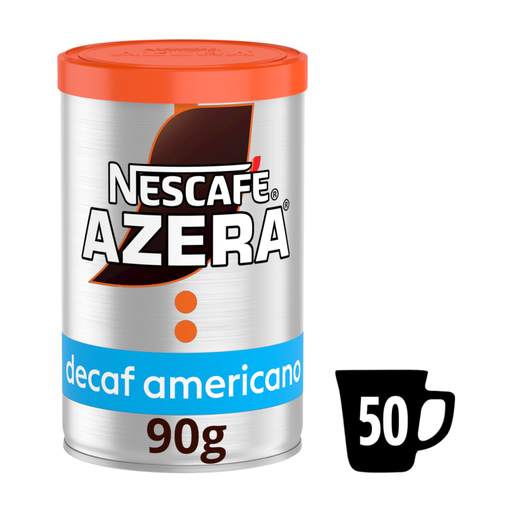 No image available
This decaf tin offers a separate choice for guests who prefer it. Its listed ingredients are decaffeinated soluble coffee and decaffeinated roast-and-ground coffee; check the preparation directions and expected number of cups when planning service.
 No image available
This 300g jar provides plain decaf instant coffee for cups made to order, leaving additions to be chosen separately. It is a jar rather than a case of individual portions; check the preparation directions and expected cup yield for the event.
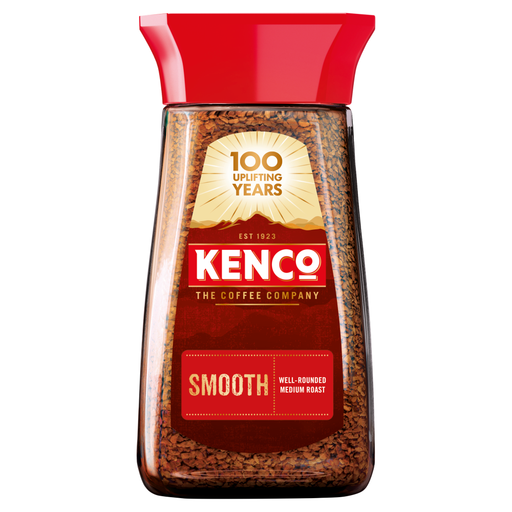 No image available
This regular instant coffee suits host-prepared cups when additions are served separately. The 200g jar’s directions give one to two teaspoons per cup; plan decaf separately if guests want that choice.
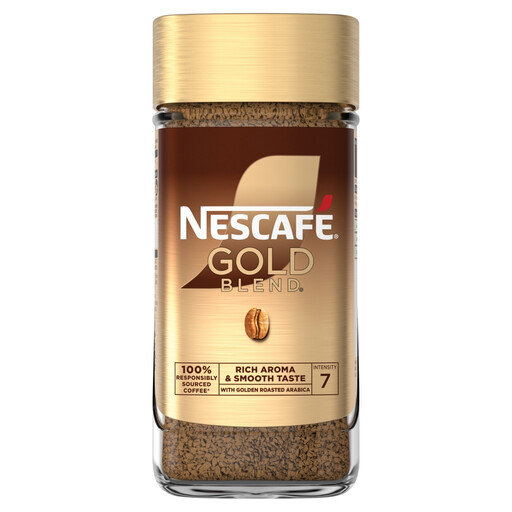 No image available
This 190g jar is a plain regular-coffee option for cups prepared by a host, with milk or sugar chosen separately. It does not provide decaf or individual portions; check its preparation directions when estimating cups.
Only if the product description confirms that the box contains the coffee portions you need. Nisbets and Zepbrook list 200-count NESCAFÉ coffee-stick cases; estimate likely drinkers and repeat cups, then plan regular and decaf quantities separately rather than treating 240 as a default.
Make them clearly labelled, separate choices rather than assuming every older guest wants decaf. NESCAFÉ UK & IE says most caffeine is removed from its Original Decaf; follow an individual care plan or personal clinical advice where applicable.
They do not provide a plain black-coffee choice. Kenco describes its 2-in-1 as coffee with whitener, and Sainsbury’s lists milk ingredients in the cited NESCAFÉ 2-in-1; offer plain coffee as well if guests need to choose their own additions.
Assess who can safely prepare, carry and receive hot drinks, and follow the setting’s procedures and individual support plans. The Health and Safety Executive identifies older people and people with reduced mobility or sensory impairment among those potentially at risk from scalding.
Check the current pack label and the guest’s documented requirements before serving a pre-mixed sachet. The cited NESCAFÉ 2-in-1 lists milk ingredients; plain coffee with suitable additions offered separately leaves the recipe open to choice.