What should you check?
Start with the drink you want, then compare usable servings and whether individual portions make preparation easier in your setting.
| Priority |
What to check |
Your needs |
| Serving count |
Check both the number of sticks and the coffee weight in each one. For a jar, use its stated serving guidance rather than treating its weight as a stick count. |
I want enough cups for the week without committing to hundreds of separate portions. Nescafé UK & IE gives about 1.8 g of its Original coffee with 200 ml water as a typical serving; the dose for another product may differ. |
| Drink type |
Check whether each portion contains plain coffee or a prepared milk-based mix. Read the ingredients and serving weight before comparing packs. |
I add my own milk or sugar, so plain coffee gives me control over each cup. If I need those ingredients together in one sachet, a fixed recipe may be more convenient. |
| Portion format |
Check whether an opened jar can be stored as directed, or whether separate sticks better fit how the coffee will be shared and carried. |
At home, measuring from a jar is manageable. In a shared kitchen, I may prefer portions that people can take individually. |
| Caffeine |
Check caffeine information for the exact product and serving size. Check a decaf label rather than assuming decaf means caffeine-free. |
Some people in my household may want a decaf option alongside regular coffee, particularly if they have several caffeinated drinks during the day. |
| Pack suitability |
Check the exact count, total weight and storage instructions. Do not substitute a 200-stick listing for a planned 240-stick purchase. |
I need a quantity we can use and store, not simply the largest pack count. Amazon.co.uk lists 200 × 1.8 g NESCAFÉ Original sticks as one distinct catering-style format. |
Brand and retailer references
These ranges illustrate different instant-coffee formats; a brand name alone does not establish the pack count, recipe or suitability of a particular product.
Nescafé
Its Original range includes jars and refills, while individual Original sticks provide a different way to portion plain coffee.
- Nescafé UK & IE suggests approximately 1.8 g of Original coffee with 200 ml water for a typical serving.
- Use the exact pack label for its serving size and caffeine information; do not apply one Nescafé product's figures to the whole range.
Kenco
Kenco offers plain instant and decaf choices, including products sold in jar or refill formats.
- The range gives shoppers alternatives to individually portioned coffee when a shared container suits their routine.
- Check the particular variant and serving guidance rather than assuming products with different names have the same recipe.
Douwe Egberts
UK retailer listings include Pure Gold, Pure Indulgence and Pure Decaffeinated instant coffee.
- The named variants allow a comparison between regular and decaffeinated jar options.
- Check the exact product label and pack size; the range name does not identify the serving count.
Carte Noire
Sainsbury's describes Classique jar variants as freeze-dried instant coffee and also lists a decaffeinated variant.
- Sainsbury's gives approximately 55 cups for its 100 g Classique jar and 100 cups for its 180 g jar, each using 1.8 g per cup.
- Those are product-specific serving estimates; check the particular jar and its storage directions before choosing a size.
Tesco
Tesco's instant-coffee category lists national-brand jars and refill pouches that can be compared during a weekly shop.
- Product listings identify pack weights, including jars and refills.
- Check the current listing for the precise variant and whether it is available for your shop.
Sainsbury's
Sainsbury's lists its Gold Roast instant coffee in 200 g and 500 g formats alongside branded jars, decaf coffee and smaller sachet packs.
- The different pack sizes offer a way to match a jar purchase to expected use.
- Check the individual product and drink type: a small milk-based sachet pack is not equivalent to plain instant granules.
Joybuy jar options
These Joybuy options are instant-coffee jars and a jar multipack for households considering alternatives to individual sticks. They are not presented as 240-count boxes.
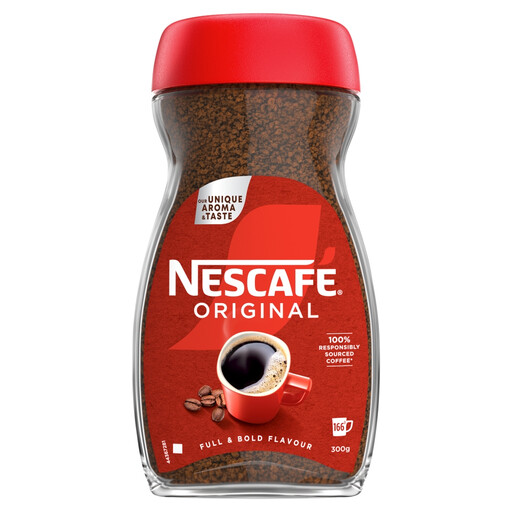 Image unavailable
NESCAFÉ Original Instant Coffee 300g
A 300 g plain-instant jar for making household cups as needed rather than taking individual sticks. Check its label for the serving measure when comparing how long different formats will last.
View on Joybuy
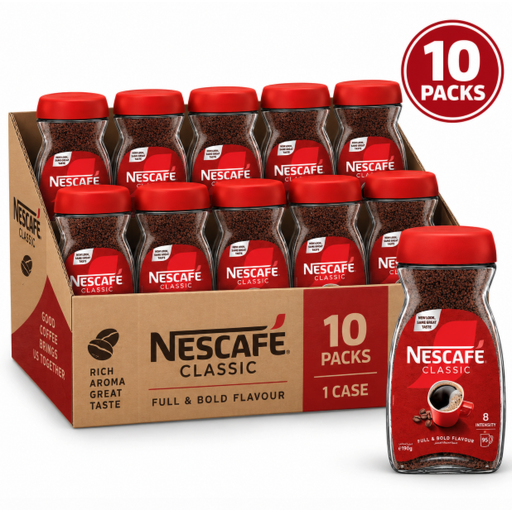 Image unavailable
NESCAFÉ Classic Original Instant Coffee 190g, pack of 10
Ten 190 g jars suit a plan to keep multiple containers of plain instant coffee, rather than a plan requiring individually portioned sticks. Consider cupboard space and how quickly the jars would be used.
View on Joybuy
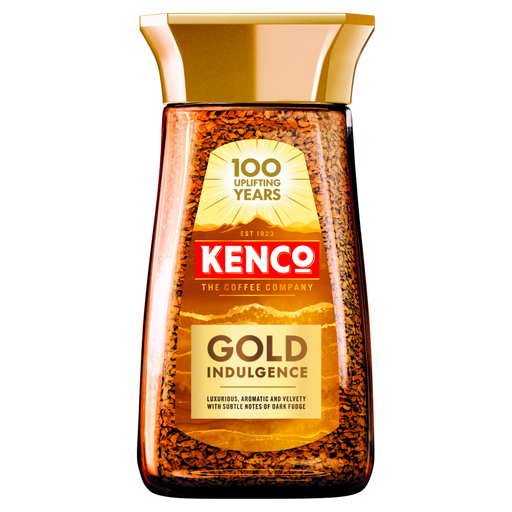 Image unavailable
Kenco Gold Indulgence Instant Coffee 195g
A 195 g plain-instant option for making regular cups from a jar. Use its own serving guidance when comparing it with fixed-weight sticks; serving estimates based on different measures are not directly equivalent.
View on Joybuy
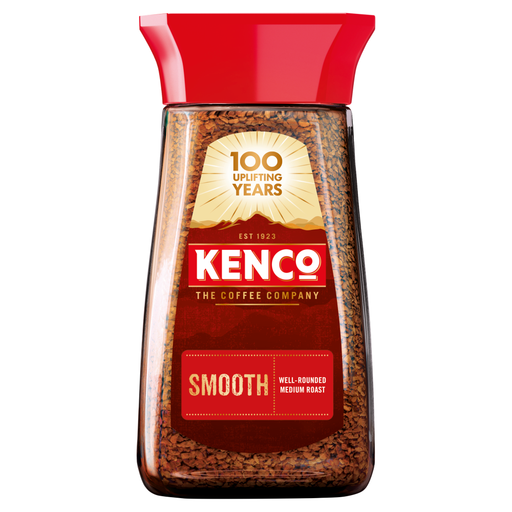 Image unavailable
Kenco Smooth Instant Coffee 200g
A 200 g instant-coffee jar for measuring portions when you make them, rather than storing separate sticks. Check the pack's preparation directions before estimating its serving yield.
View on Joybuy
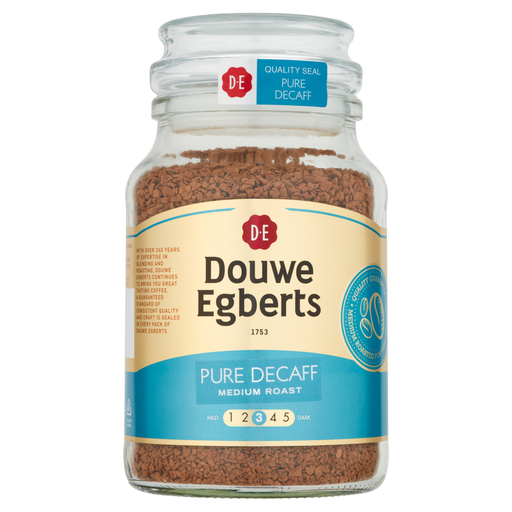 Image unavailable
Douwe Egberts Pure Decaffeinated Instant Coffee 190g
A 190 g decaffeinated jar for a household that wants a separate coffee choice without buying individual portions. Check the current label if the precise caffeine content matters to you; decaffeinated does not mean caffeine-free.
View on Joybuy
Frequently asked questions
Is a 240-count coffee box sensible for a weekly household shop?
It can be if the household or shared kitchen will use the portions and benefits from keeping them separate. Check that a proposed box contains exactly the coffee and count you want: Amazon.co.uk lists NESCAFÉ Original 200 × 1.8 g sticks, which are not a 240-count product.
How do I compare a jar with coffee sticks?
Compare the coffee weight and the serving measure for each plain-instant product. Nescafé UK & IE suggests approximately 1.8 g of its Original coffee with 200 ml water, but use the other product's own guidance rather than applying that measure to every jar or stick.
Can I compare milk-based sachets with plain-coffee sticks by count?
No: the counts describe portions of different drinks. Nescafé UK & IE describes its 2-in-1 sachets as containing coffee and milk powder, so check the ingredients, allergens and serving size when choosing a prepared-drink sachet.
Does choosing decaf mean the coffee contains no caffeine?
No. If caffeine content affects your choice, check the exact decaf product label and serving information rather than assuming it contains none. Consider the other caffeinated drinks you use when deciding how much regular coffee to buy.
How should I store a large jar or refill?
Follow the directions on its pack and have a suitable container ready for a refill. Nescafé UK & IE and Sainsbury's Carte Noire product information specify cool, dry storage for the products they describe.


