Students taking short breaks
If you have water and a mug but little time between study blocks, instant coffee avoids waiting for ground coffee to brew or pass through a filter. Nescafé describes its instant format as adding water and stirring.


Choose instant coffee when a short revision break calls for a drink you can make by adding water and stirring. Choose a ground-coffee bag or one-cup filter when you want a single serving of brewed coffee and can allow time for brewing or filtering. If a pyramid-shaped bag matters to you, check the exact pack: the shape does not tell you whether its contents are instant coffee.
The useful distinction for a revision break is how the coffee is prepared, not whether it comes in a jar or a single-serve pack.
If you have water and a mug but little time between study blocks, instant coffee avoids waiting for ground coffee to brew or pass through a filter. Nescafé describes its instant format as adding water and stirring.
Ground-coffee bags brew in a mug, while a one-cup filter lets hot water pass through ground coffee. Both are alternatives to loose grounds, but neither is prepared like instant coffee.
If caffeine close to bedtime is a concern, consider the caffeine information as well as the preparation format. NHS Borders notes that caffeine can make people feel more awake and disrupt sleep; decaf coffee can still contain traces of caffeine.
Start with the preparation method, then check whether the exact product fits your break, caffeine considerations and plans for carrying or disposing of it.
| Priority | What to check | Your needs |
|---|---|---|
| Coffee format | Read whether the pack says instant or soluble coffee, ground-coffee bags, or one-cup filters. Check the contents rather than relying on the bag’s shape. | I want to know whether I can stir the coffee into water or need to brew it. |
| Break length | Check the preparation directions on the exact pack. Nescafé describes instant coffee as add-and-stir; Sainsbury’s gives a four-minute brew direction for Taylors of Harrogate Flying Start coffee bags. | When my break is brief, waiting for a bag to brew may not fit it. |
| Equipment | Check what you need besides water and a mug. Rombouts says its one-cup filter does not need a machine, but hot water must pass through the filter. | I may have a kettle at my study desk but no coffee-making equipment. |
| Caffeine | Check whether the exact product is decaffeinated and look for caffeine information if you need to track an amount. Nescafé notes that decaf can retain small traces of caffeine. | For a late session, I would rather consider caffeine than assume a coffee bag is different from instant coffee in that respect. |
| Pack and disposal | Check the number of servings, whether portions are individually wrapped, and the exact product’s disposal instructions. Follow your local authority’s guidance for the relevant waste collection. | I might carry one serving to the library, or keep a larger pack at home for several sessions. |
| Ingredients | Read the ingredients and allergen information on the exact pack, particularly for flavoured coffee or a coffee-and-snack bundle. The Food Standards Agency says the 14 regulated allergens must be emphasised in the ingredients list of pre-packed food or drink. | If I am buying coffee alongside snacks, I want to check each product rather than assume their ingredients are the same. |
A ground-coffee bag needs brewing, while a one-cup filter needs water to pass through it. Neither follows the add-and-stir preparation described for instant coffee.
Read the format and preparation directions before choosing a bag for a very short break.
NHS Borders says caffeine can make people feel more awake and disrupt sleep. A decaf label does not necessarily mean the coffee contains no caffeine.
Consider when you will drink it, and check the exact product information if you need to keep track of caffeine.
Coffee bags and one-cup filters are different products, so a disposal instruction for one does not establish what to do with another.
Read the instruction on your pack and check which collections your local authority accepts.
These brands illustrate different coffee formats; a brand’s inclusion here does not mean that every product it makes is a coffee bag or a Joybuy selection.
A ground-coffee-bag reference for making one cup in a mug.
A ground-coffee-bag option for those considering a larger single-serve pack.
A one-cup filter route rather than instant coffee or a conventional coffee bag.
An instant-coffee reference when add-and-stir preparation matters.
An instant-coffee reference for comparing jarred coffee with brewed single-serve formats.
Another instant-coffee reference, including a decaffeinated variety.
These instant coffees suit the add-and-stir route for a revision break. The first four are labelled decaffeinated; the last is an instant Americano without a decaf designation. They are not ground-coffee bags or pyramid-shaped bag products.
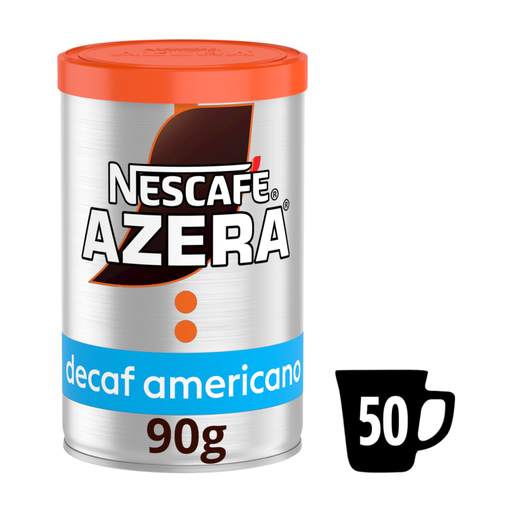 No image available
For a short break when you want instant preparation and a decaffeinated option. This 90g coffee is described as a soluble-coffee blend with 5% decaffeinated roast-and-ground coffee. It is not a coffee bag; check caffeine information for the amount relevant to your serving.
 No image available
A 300g pack of decaffeinated soluble coffee for the instant-coffee route. It is a jarred coffee rather than an individually portioned bag. If you need to count caffeine, check the information for your serving.
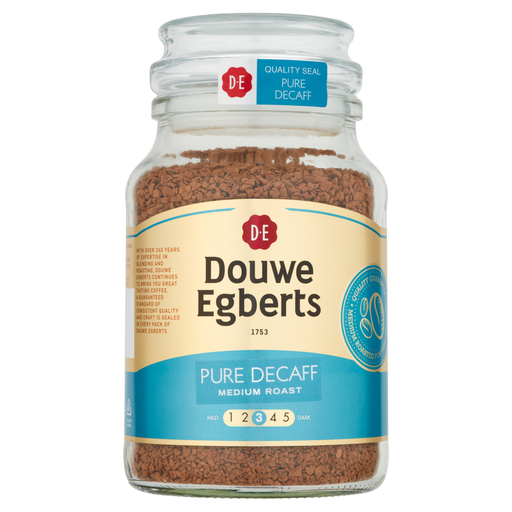 No image available
Freeze-dried decaffeinated instant coffee in a 190g jar, for those choosing instant preparation over brewing a bag. The stated caffeine percentage is not an amount per serving, so check further information if you are tracking an intake.
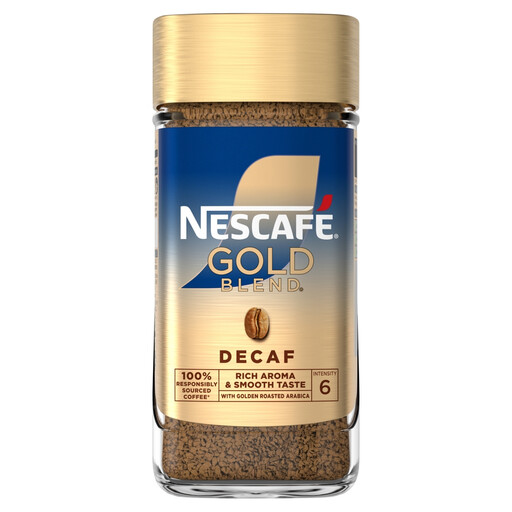 No image available
A 190g pack of decaffeinated soluble coffee for a break when you prefer to add hot water and stir. This is jarred instant coffee, not a ground-coffee bag. Check the exact product information if you need a per-serving caffeine amount.
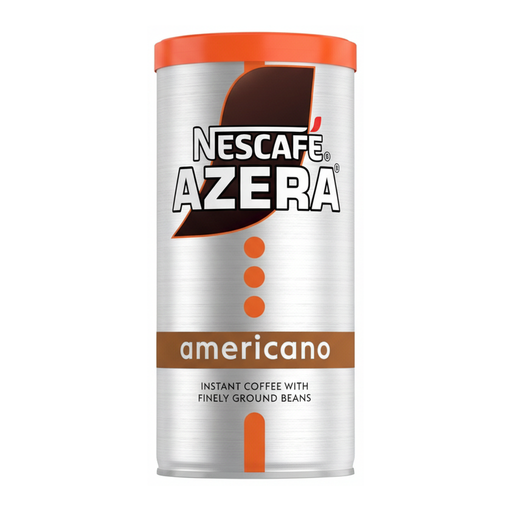 No image available
An instant-coffee choice for a short break when a decaf designation is not part of your selection. The 140g jar is described as a blend of instant coffee and microground beans. It is not a coffee bag; check the label if limiting caffeine matters to you.
No. The ground-coffee bags described by Tesco brew in a cup, whereas Nescafé describes instant coffee as made by adding water and stirring. Check the contents and directions if a product’s bag shape has caught your eye.
It can if you have hot water, a mug and time to follow that bag’s brewing directions. Sainsbury’s gives a four-minute direction for Taylors of Harrogate Flying Start; a different bag may have different instructions. Instant coffee avoids that brewing step.
No. Nescafé says decaffeinated coffee can still contain small traces of caffeine. NHS Borders also notes that caffeine can disrupt sleep, so check the exact coffee’s information if caffeine close to bedtime concerns you.
The NHS advises no more than 200mg of caffeine a day during pregnancy. That total is not limited to a single coffee: check the caffeine information for what you drink and eat across the day, rather than assuming a decaf label means zero caffeine.
Yes, check the exact coffee and snack packs, particularly if the coffee is flavoured or supplied as part of a bundle. The Food Standards Agency says the 14 regulated allergens must be emphasised in the ingredients list of pre-packed food or drink.