Commuters with a short break and hot water
Soluble instant coffee can be made in a mug by adding water and stirring, as Nescafé UK & IE describes. It avoids waiting for a coffee bag to brew and finding a place for the used bag.


Choose soluble instant coffee when a short break leaves time only to add water and stir. A ground-coffee bag suits a settled break with time to brew and somewhere to put the used bag; a one-cup filter also needs a suitable, stable mug while water passes through it. A premium-looking or pyramid-shaped bag does not, by itself, change those preparation requirements.
The useful distinction for a commuter is whether the break allows stirring, brewing or filtering—and what happens to the coffee afterwards.
Soluble instant coffee can be made in a mug by adding water and stirring, as Nescafé UK & IE describes. It avoids waiting for a coffee bag to brew and finding a place for the used bag.
A ground-coffee bag is worth considering when there is a mug, hot water, time to brew and somewhere to put the bag afterwards. Percol describes its coffee bags as ground coffee; they are not soluble instant coffee.
Compare the caffeine information for the exact product and serving rather than choosing by format name alone. Decaffeinated products and differently sized servings still call for a check of the pack information relevant to your choice.
Start with the preparation method your break permits, then check portions, ingredients and what you will need to clear away.
Choose when: A mug, water and a quick stir are all your break allows.
Trade-off: A jar requires measuring and carrying a portion if you are not keeping it at your destination; check sachet ingredients if you want plain coffee.
Choose when: You want ground coffee brewed in a mug and have time to let the bag steep.
Trade-off: The wet bag must be removed and put somewhere after brewing.
Choose when: You can make filtered coffee at a settled desk or break area with a suitable mug.
Trade-off: The filter needs stable placement while water passes through it, rather than steeping inside the mug.
| Priority | What to check | Your needs |
|---|---|---|
| Break time | Check whether the product dissolves, steeps or filters. Read the stated brewing time for the exact coffee bag; a Waitrose & Partners listing advises four minutes for Taylors of Harrogate Rich Italian bags. | I have time to add water and stir, but not necessarily to wait for a bag or filter. |
| Equipment | Check the required water and mug, plus whether a one-cup filter fits securely. For Kenco 2in1, Kenco GB directs 200 ml of hot, not boiling, water. | If I am making coffee at my destination, I need the format to work with the mug and water available there. |
| Format | Look for soluble instant coffee if you expect a dissolve-and-stir drink. Percol describes its coffee bags as ground coffee; a one-cup filter is another preparation method. | I do not want a bag that needs brewing when I planned to make instant coffee. |
| Portions and ingredients | Check the serving directions on jars and the contents of individual sachets. Check the exact pack’s ingredients, nutrition information and caffeine details where they affect your choice. | A measured portion is easier for me to carry, but I may want plain coffee rather than a pre-mixed drink. |
| Clean-up | Check whether brewing leaves a wet bag or filter, and read the exact product’s disposal directions. Check local collection guidance before using a food-waste bin. | On a rushed departure, I need to know where the used bag, filter and any wrapper will go. |
Ground coffee in a bag must brew before the bag is removed. That is a different task from adding water to soluble coffee and stirring.
Read the format description: choose soluble granules or an instant-coffee sachet for a dissolve-and-stir drink, and a ground-coffee bag only when the break allows brewing and clean-up.
A pyramid-shaped or premium-looking pack does not tell you whether the contents dissolve, steep in the mug or filter into it.
Check the coffee format and preparation instructions, including any brew time and directions for the used bag and wrapper.
A pre-mixed sachet may be a different drink from plain instant coffee. The format name alone is not enough to establish its ingredients.
Read the exact pack’s ingredients, allergen and nutrition information if milk ingredients, sugar or portion details matter to you.
These brands illustrate different coffee formats; a brand’s inclusion here does not mean every product in its range prepares the same way.
Nescafé UK & IE describes its instant coffee as a format prepared by adding water and stirring.
Kenco offers an instant-coffee sachet route alongside its other instant products.
Tesco Groceries lists Pure Gold and Pure Decaffeinated products in its instant-coffee category.
Taylors of Harrogate identifies Rich Italian as a 10-bag coffee product, rather than soluble instant coffee.
Percol describes its coffee bags as 100% ground coffee, with a string and tag for brewing.
These options cover liquid coffee portions, soluble instant coffee, ground-coffee bags and a one-cup filter. Choose by the preparation your commuter break allows; they are not interchangeable formats.
 No image available
The individual liquid pouches offer a portion to carry for a break with water and a cup. This is liquid coffee, not soluble granules or a ground-coffee bag; check the pack’s dilution directions and caffeine information if those details affect your choice.
 No image available
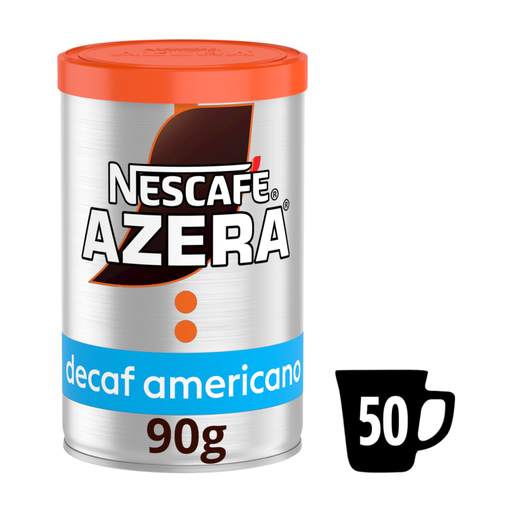
This decaffeinated instant-coffee option fits a mug-based break without a bag to brew and remove. The 90 g pack is not an individually portioned sachet; check its serving directions and caffeine information if you need those details.
 No image available
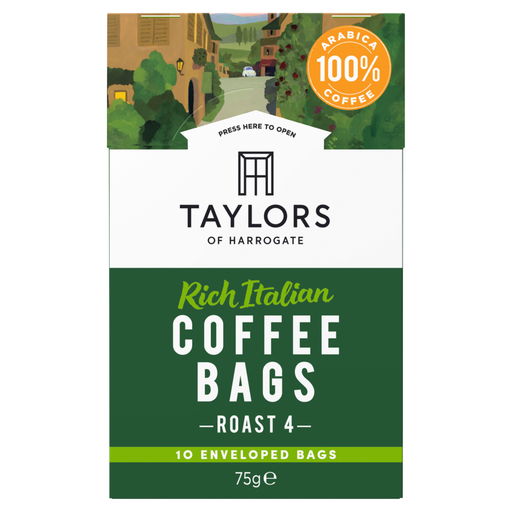
Choose these ground-coffee bags for a settled break with hot water, a mug and somewhere to put the used bag. A Waitrose & Partners listing advises brewing Rich Italian bags for four minutes; they do not dissolve like instant coffee. Check the pack for directions specific to your bags.
 No image available
This instant-coffee pack is an option to consider when you want to make a mug during a short break rather than steep a coffee bag. Check the preparation directions and serving information on the 100 g pack; do not assume its preparation is identical to that of plain soluble granules.
 No image available
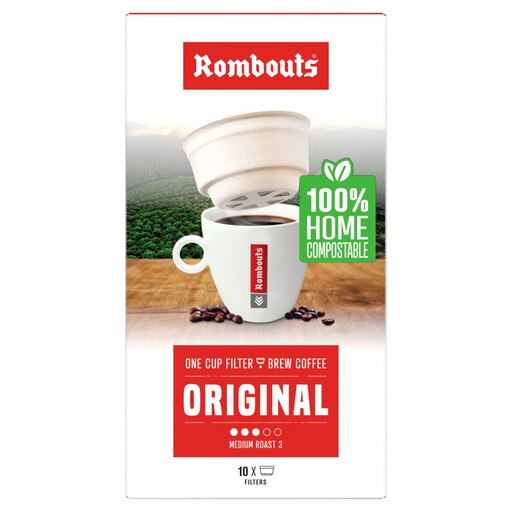
The one-cup filter format suits a settled break when you can position it over a suitable mug and wait for water to pass through. It is neither soluble instant coffee nor a bag that steeps in the cup. Check this 70 g pack’s setup and disposal directions, alongside local waste guidance.
No. Soluble instant coffee is prepared by adding water and stirring, while a ground-coffee bag brews in the mug and must then be removed. Percol describes its coffee bags as ground coffee; a one-cup filter is different again because water passes through the filter into the mug.
Plan for hot water, a mug, brewing time and somewhere to put the used bag. A Waitrose & Partners listing advises four minutes for Taylors of Harrogate Rich Italian bags; follow the directions for the product you buy rather than applying that time to every bag.
A one-cup filter is better suited to a settled break than to making coffee in motion. Rombouts describes a machine-free filter format, but you still need hot water, a suitable mug and stable placement while the water passes through.
The NHS advises no more than 200 mg of caffeine a day during pregnancy. Check the serving information for the exact coffee and account for other sources of caffeine rather than assuming that all instant coffees, bags and filters contain the same amount.
Do not apply one brand’s disposal directions to every bag or wrapper. Percol gives food-waste guidance for specified parts of its own coffee bags; check the exact pack and what your local council accepts before disposing of yours.