Canteens with a hot-water drinks point
An instant jar suits cup-by-cup service where staff or diners can add hot water but there is no filter brewer.


Choose an instant-coffee jar for a lunch counter with hot water but no filter brewer: the granules dissolve in the cup, allowing drinks to be made one at a time. Choose ground filter coffee if the canteen has compatible brewing equipment and can manage preparation and cleaning. For an instant jar, check its size, preparation directions and whether a separate decaf choice is needed.
An instant jar suits cup-by-cup service where staff or diners can add hot water but there is no filter brewer.
Jar weight, preparation directions and expected lunch demand matter when deciding how much to keep in the cupboard and when to reorder.
A separately identified decaf jar lets diners choose it without relying on a roast name or flavour description to indicate caffeine content.
Start with the equipment at the drinks point, then choose a format and jar that fit the way lunch drinks will be served.
| Priority | What to check | Your needs |
|---|---|---|
| Preparation method | Check whether the point has only hot water or a compatible filter brewer. Instant granules dissolve in hot water; ground coffee needs brewing equipment. | For drinks made one cup at a time without a brewer, I want an instant jar. If staff will brew a batch, I need ground coffee suited to the filter equipment. |
| Portions and jar size | Read the exact jar’s directions for coffee per cup and water volume. Compare its weight with expected use and available storage space. | Several people may make lunch drinks, so clear directions would help us serve them consistently and plan reorders. |
| Like-for-like comparison | Compare the current unit labels for jars of the same format, alongside jar weight and the amount used per cup. Recheck the shelf or product listing when ordering. | I need a jar size that suits our lunch demand, rather than choosing by the pack size alone. |
| Decaf and labelling | Look for a product explicitly labelled decaffeinated. Check the current jar label for ingredients, allergens, storage and preparation directions; include any additions served with it in canteen allergen controls. | If colleagues want a lower-caffeine choice, I need the decaf jar to be easy to distinguish from the standard one. |
Ground filter coffee does not dissolve like instant granules, so it cannot be prepared as planned without suitable brewing equipment.
Confirm the brewer and filter method before ordering ground coffee. Otherwise, choose an instant product and follow its cup directions.
Filter service also brings equipment, filters, cleaning and ground-coffee storage into the daily routine.
A larger jar does not by itself establish how many cups the canteen will make: the amount used per serving matters too.
Compare jars of the same format using their current unit labels, then check each product’s weight and preparation directions.
A standard instant jar does not provide a clearly identified decaf choice for diners who want one.
Where there is demand, keep a separately labelled decaf jar and avoid mixing up the jars or serving utensils.
The label on the product being served is the relevant reference for its ingredients, storage and preparation directions.
Check it when stock arrives. For milk, creamers or other additions, maintain the canteen’s allergen controls; the Food Standards Agency advises food businesses to control allergens and guard against cross-contamination.
These ranges illustrate instant-jar and ground-coffee choices; a brand name alone does not establish which format suits the canteen.
Tesco’s instant-coffee range includes a Classic Instant Coffee 200g jar.
Sainsbury’s listings include Gold Roast instant jars in 200g and 500g formats and a 200g decaffeinated version.
UK supermarket listings show Pure Gold, Pure Indulgence and Pure Decaffeinated instant products.
M&S describes its Gold Instant Coffee 200g as freeze-dried and 100% arabica, sourced from certified Fairtrade growers.
Lavazza UK presents ground coffees intended for brewing methods that include filter.
Sainsbury’s lists Taylors of Harrogate Rich Italian Ground Coffee Bags, a ground-coffee option rather than a dissolvable jar.
These jars relate to the instant-coffee route for a canteen serving drinks from hot water. The list includes both decaf-labelled products and other instant-coffee choices; check each jar’s directions before setting portions.
 No image available
A 300g decaf-labelled option for a canteen offering a separate coffee choice. Check the jar’s preparation directions when planning cup portions.
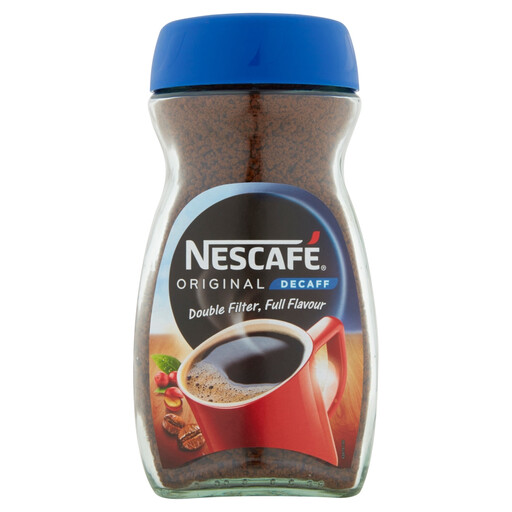 No image available
This 200g decaf-labelled variant is another option for a separately identified canteen jar. Check its own directions rather than applying the portions from a different NESCAFÉ product.
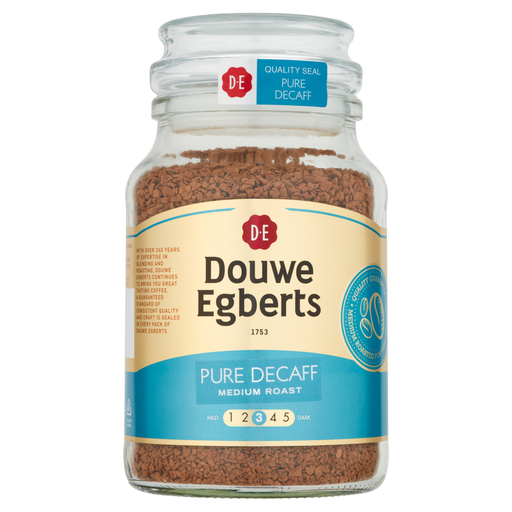 No image available
This 190g decaffeinated instant jar could provide a distinct decaf choice at the drinks point. Check the label’s hot-cup directions before using it for lunch service.
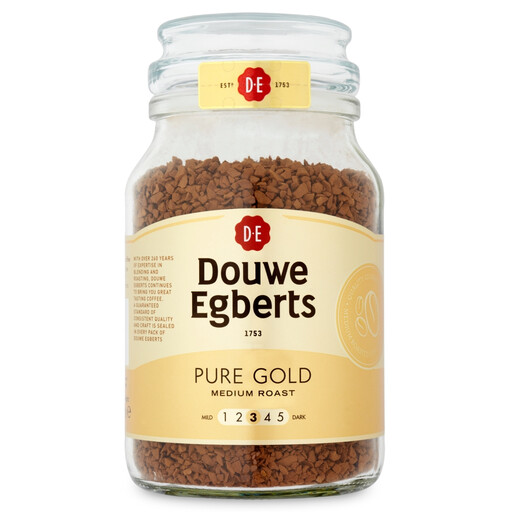 No image available
This 190g instant-coffee jar is described for preparation with hot water. It is not labelled as decaf; check its directions and use a separately identified product if the canteen needs a decaf choice.
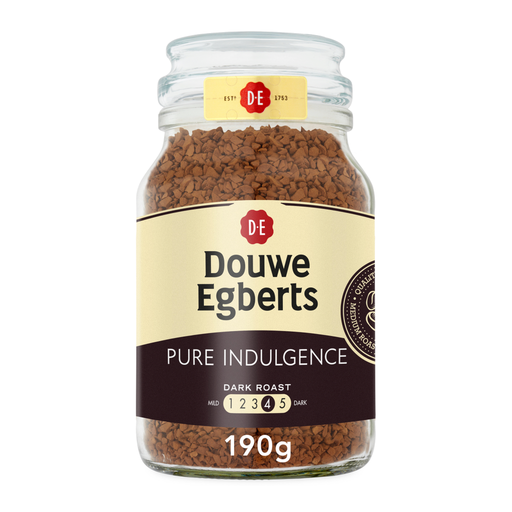 No image available
This 190g instant-coffee option is described for hot or cold serving. Check the exact jar for hot-cup portions and its caffeine warning before putting it into shared service; do not use it as the decaf choice.
No. Instant granules dissolve in hot water, while ground filter coffee is brewed with suitable equipment. Lavazza says its ground coffees are prepared for particular brewing methods, including filter, so check the method before ordering.
Use the directions on the exact product. A Sainsbury’s listing for Nescafé Original Instant Coffee 300g gives 1 teaspoon (1.8g) with 200ml hot water per mug and states 166 mugs per jar; that serving figure should not be applied to another jar or serving strength.
Yes, if the canteen wants to offer a lower-caffeine choice alongside its standard coffee. Choose a product explicitly labelled decaffeinated and keep the jars clearly distinguishable; a roast name is not a caffeine guide.
Check its current preparation and storage directions, ingredients and allergen information before serving it. Include milk, creamers, syrups and other additions in the canteen’s allergen controls; the Food Standards Agency advises food businesses to protect foods from allergen cross-contamination.