Hosts making individual cups
An instant coffee jar lets guests prepare separate hot-water cups without setting up a brewer. Check the jar’s directions if guests want to vary the amount of coffee in each cup.


For brunch with only a kettle, choose an instant coffee jar for individual hot-water cups; it will not make brewed filter coffee. If you have a filter brewer or cafetière and want brewed coffee, choose ground coffee labelled for that method instead. Check whether anyone wants decaf and read the pack directions before planning quantities.
An instant coffee jar lets guests prepare separate hot-water cups without setting up a brewer. Check the jar’s directions if guests want to vary the amount of coffee in each cup.
For brewed rather than soluble coffee, choose ground coffee whose pack names your brewing method. A roast name alone does not establish that the grind suits your equipment.
If a guest wants decaffeinated coffee, a clearly labelled decaf instant jar can keep the same hot-water serving method. Check the exact product rather than assuming a regular jar is decaf.
Choose the serving method first. Roast descriptions and pack sizes are useful only after you know whether you need instant coffee or coffee to brew.
Choose when: You have hot water and want guests to make individual cups without a brewer.
Bear in mind: Soluble coffee is not brewed filter coffee.
Choose when: You have a filter brewer or cafetière and want brewed coffee.
Bear in mind: It needs brewing equipment and ground coffee labelled for the method you use.
| Priority | What to check | Your needs |
|---|---|---|
| Coffee format | Check whether the pack says instant or roast-and-ground. For ground coffee, confirm that it names your filter brewer or cafetière as a suitable method. | I only have a kettle, so I need coffee that can be prepared with hot water. If I want brewed filter coffee, I need both ground coffee and a suitable brewer. |
| Roast and flavour | Compare roast descriptions within the format you have chosen. Treat a maker’s strength number or flavour description as product-specific, not as a measure that makes instant and brewed coffee equivalent. | My guests may prefer a medium-roast option, or I may want a darker roast for the brewed coffee. I’ll choose the format before comparing those descriptions. |
| Decaf | Look for a clearly labelled decaffeinated product. Check whether it is instant or ground so that it fits the serving method. | If someone asks for decaf, I want an option they can recognise without assuming the regular coffee meets that request. |
| Servings | Read the specific pack’s preparation directions and any stated serving count. Do not apply one jar’s teaspoon guidance or yield to a different product. | I need enough coffee for the cups I expect to serve, while allowing guests to prepare theirs to their own preference. |
| Storage and labels | Follow the pack’s storage instructions after opening. Read the physical label for current ingredients and allergen information before serving. | I may keep coffee for another brunch, and I need to check the actual pack if a guest has an ingredient or allergen concern. |
Instant coffee is prepared with hot water, while ground coffee needs a suitable brewing method. The wrong format may not work with the equipment available at brunch.
Decide whether you are making kettle-made cups or brewed coffee, then check the format stated on the pack.
Ground coffees are made for stated brewing methods; Lavazza UK describes its ground range as calibrated for the intended method. A roast description does not tell you whether a pack suits your brewer.
Check that the pack or manufacturer’s product information names your filter brewer or cafetière.
A guest requesting decaf needs a separately identified decaffeinated product, not an assumption based on the regular coffee’s name or roast.
Ask whether decaf is wanted and check the label of the product you intend to serve.
Sainsbury’s and M&S caution that product information can change. An earlier listing may not describe the pack in your kitchen.
Read the physical pack, particularly when a guest has an ingredient or allergen concern.
These examples illustrate different coffee formats; a brand name alone does not establish how a particular pack should be prepared.
A roast-and-ground reference for hosts using brewing equipment.
A ground-coffee reference: Tesco lists Hot Lava Java, Rich Italian Roast and Lazy Sunday Roast in 200 g packs.
An instant-coffee reference for individual hot-water cups.
Tesco’s ground-coffee listing includes its own Italian Inspired Blend in a 454 g pack.
An own-label instant-jar reference with regular and decaffeinated Gold Roast products in 200 g packs.
An instant-coffee reference with Rich and Smooth and Gold products.
These options include instant coffee for individual cups, ground coffee labelled for filter or cafetière use, and a one-cup filter format. Choose by the equipment and serving method you will use at brunch.
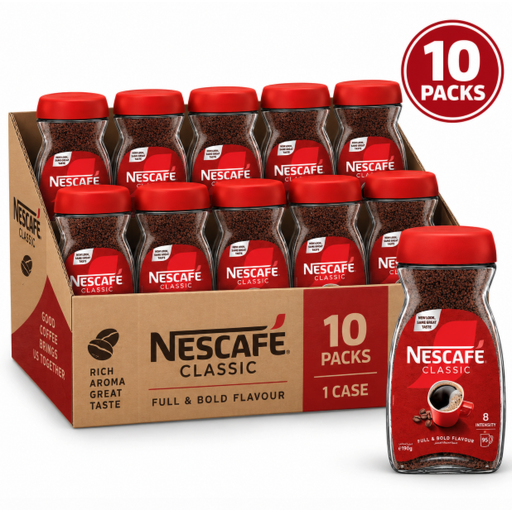 Image unavailable
An instant-jar option for serving individual cups with hot water. The pack contains ten 190 g jars; check the jar directions when planning how much to make.
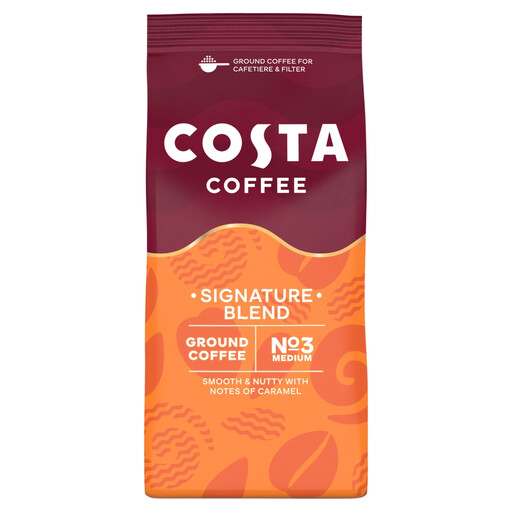 Image unavailable
For brewed coffee when a filter machine or cafetière is available, rather than kettle-made instant cups. The product name specifies a No. 3 Medium grind and a 200 g pack; check the pack directions for portions.
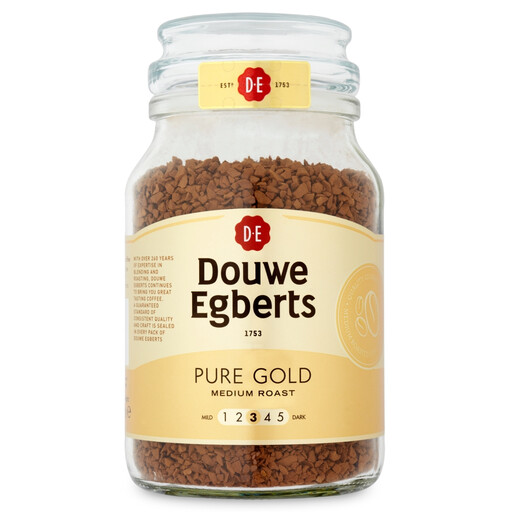 Image unavailable
An instant-coffee option for individual cups without a filter brewer. Sainsbury’s describes this 190 g Pure Gold product as freeze-dried instant coffee; check the jar’s serving directions when planning quantities.
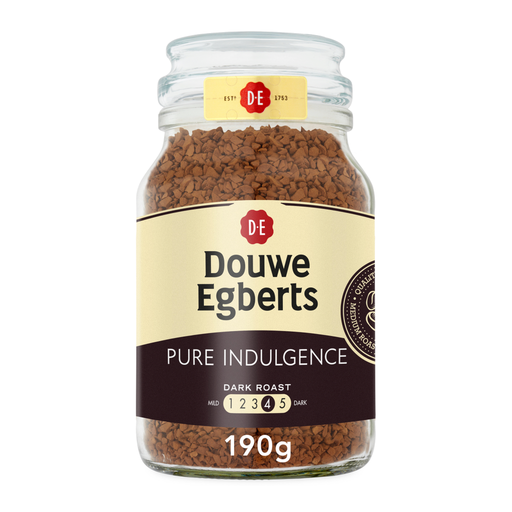 Image unavailable
Listed as an instant-coffee option for individual cups rather than brewed filter coffee. Check the 190 g pack for preparation directions and caffeine information before serving.
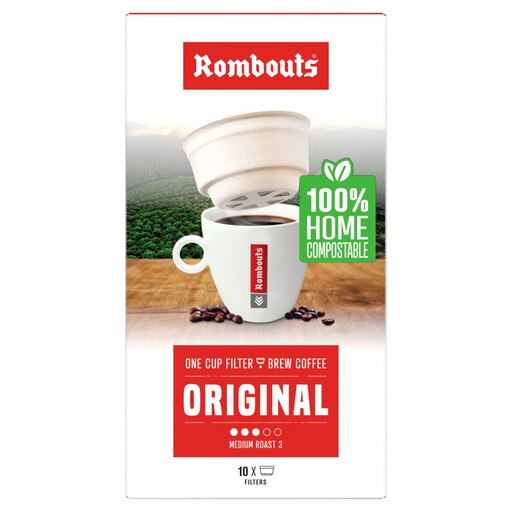 Image unavailable
A one-cup filter format for individually brewed coffee, not an instant jar. The product name specifies a 70 g pack; check the pack for preparation instructions and the number of portions.
No. Instant coffee is prepared in the cup with hot water; brewed filter coffee uses ground coffee and suitable brewing equipment. Lavazza UK, for example, labels its Qualità Oro Dark Roast ground coffee for filter and French press use.
Follow the directions on the jar you buy. Sainsbury’s states one teaspoon per cup and 55 servings for its 200 g Gold Roast Instant Coffee; do not apply that serving count to another jar without checking its label.
Follow that jar’s storage instructions. For its Gold Roast Instant Coffee, Sainsbury’s says to keep the jar in a cool, dry place and replace the cap after use.
Yes, if you choose a decaffeinated instant product. Sainsbury’s describes its Gold Roast Decaffeinated Instant Coffee as soluble coffee and gives one teaspoon per cup in its preparation directions.
Yes. Sainsbury’s and M&S caution that online product information can change. Read the physical pack of the exact coffee you plan to serve, especially when a guest has an ingredient or allergen concern.