Black-coffee drinkers who control additions
Plain coffee lets you decide whether to add milk or sweetener. Diabetes UK includes unsweetened coffee among drinks for people living with diabetes and advises cutting back on sugar added to coffee.


Choose the format first: instant coffee dissolves in water, while a pyramid coffee bag contains ground coffee that needs steeping. If you want to control what goes into a diabetes-conscious drink, plain coffee lets you add milk or sweetener separately; for a ready-mixed white coffee, compare sugars and carbohydrate for the prepared serving. Decaf is a separate choice for when you want to reduce caffeine, not a requirement that follows from choosing a coffee format.
Plain coffee lets you decide whether to add milk or sweetener. Diabetes UK includes unsweetened coffee among drinks for people living with diabetes and advises cutting back on sugar added to coffee.
A pre-portioned coffee-and-milk sachet avoids adding milk separately, but its sugars and carbohydrate need checking for the prepared mug. An unsweetened variant and a sweetened 3in1 are not interchangeable.
A pyramid bag is for ground coffee that infuses in water, not soluble instant coffee. Coffee-bag shoppers can also look for a decaf variant if they want to reduce caffeine.
Decide whether you want coffee that dissolves or a bag that steeps, then check the prepared drink and any additions rather than relying on the format or a front-of-pack word.
Choose it when: You want soluble coffee and prefer to add any milk or sweetener yourself.
Bear in mind: What you add changes the finished drink; choose a decaf variant separately if reducing caffeine matters to you.
Choose them when: You want a pre-portioned white coffee rather than adding milk yourself.
Bear in mind: The included milk ingredients contribute to the drink, and an unsweetened name does not replace an ingredients and nutrition check.
Choose them when: You specifically want ground coffee brewed in a bag.
Bear in mind: A bag needs time to steep and must be disposed of afterwards; it does not dissolve like instant coffee.
| Priority | What to check | Your needs |
|---|---|---|
| Prepared drink | Compare sugars and carbohydrate for the stated prepared serving. Check serving size, ingredients and any milk or sweetener you add. | I want to know what is in my finished mug, especially if I choose a coffee-and-milk sachet. NESCAFÉ UK & IE lists 0.9g sugars and 3.8g carbohydrate per prepared mug for its 2in1 Unsweetened Taste, compared with 8.4g sugars per prepared mug for its sweetened 3in1. |
| Preparation | Check whether the product is soluble coffee or a bag of ground coffee. For a bag, follow its stated infusion instructions. | I want coffee that dissolves without a used bag to dispose of—or I would rather wait for a steeped coffee. Raw Bean Coffee recommends infusing its pyramid ground-coffee bags for three minutes. |
| Caffeine | Check whether the exact variant is regular or decaf. If you track caffeine, use the relevant serving guidance and account for other sources too. | I may want less caffeine, but that is a separate decision from whether I choose instant coffee or a bag. During pregnancy specifically, the NHS advises no more than 200mg of caffeine a day in total. |
Ground coffee in a bag must steep, whereas soluble instant coffee dissolves in water. A coffee bag also leaves a used bag to dispose of.
Choose granules or an instant sachet if you want coffee that dissolves; choose a pyramid bag when you want to brew ground coffee.
NESCAFÉ UK & IE lists 8.4g sugars per prepared mug for its sweetened 3in1 and 0.9g for its 2in1 Unsweetened Taste. Those figures apply to the named products and their stated preparations.
Check the exact sachet’s ingredients, serving size, sugars and carbohydrate rather than relying on the brand or the sachet format.
Diabetes UK says there is no single diabetes diet or recipe. A broad label cannot settle how a particular prepared drink fits someone’s individual circumstances.
Look at the ingredients, prepared-serving nutrition and anything added to the cup; seek individual dietary advice when needed.
Decaf and sugar content answer different questions. NESCAFÉ UK & IE states that its Original and Gold instant coffees contain 50mg to 90mg caffeine per 2g serve.
Choose a decaf variant if reducing caffeine is relevant to you. During pregnancy, the NHS limit of 200mg a day applies to total caffeine from all sources.
Ranges and retailer categories can help you find the right format, but compare the exact product and prepared serving before drawing a nutrition conclusion.
Its UK range includes plain instant coffee, decaf granules and coffee-and-milk sachets.
Kenco lists instant coffee jars, decaf products and Millicano in its UK range.
Pure Gold and Pure Decaffeinated appear in UK instant-coffee listings from Tesco and Joybuy.
Tesco lists instant coffee separately from coffee bags in its ground-coffee category.
Its instant-coffee catalogue includes own-label decaf granules alongside branded products.
These Joybuy options are instant coffees: plain decaf products and coffee-and-milk sachets for people who want a white coffee. Choose by the exact format and ingredients; a pyramid ground-coffee bag is a different route.
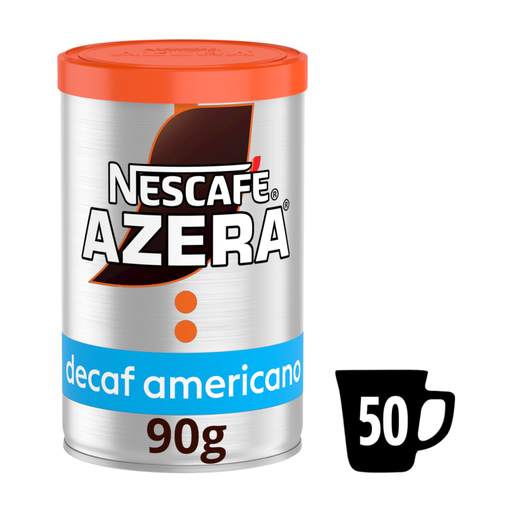 No image available
A decaf instant option if you want to add any milk or sweetener yourself. Its listed nutrition is per 100ml of prepared drink, so use the pack’s preparation instructions when considering a whole mug.
 No image available
A decaf instant cappuccino sachet for a pre-mixed white coffee. The listed ingredients include milk powder and glucose syrup despite ‘Unsweetened’ in the name; compare sugars and carbohydrate using the pack’s prepared-serving information, not the name alone.
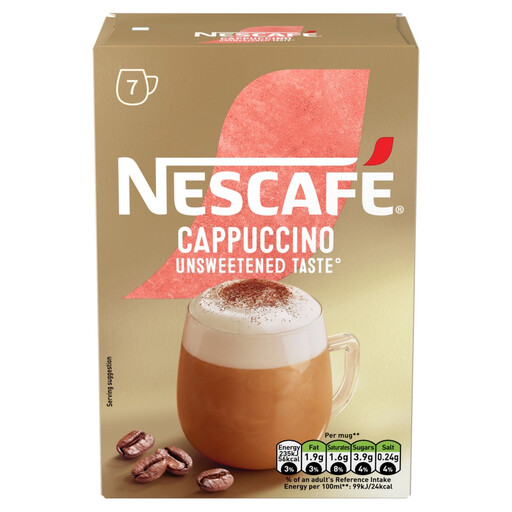 No image available
Single-serve instant cappuccino sachets if you want coffee with milk ingredients already mixed in. Glucose syrup appears in the listed ingredients; check the prepared serving’s sugars and carbohydrate before comparing it with plain coffee or another sachet.
 No image available
A plain decaf instant coffee for preparing with hot water and controlling any additions yourself. Check the current pack if you need sugars or carbohydrate figures for the prepared mug.
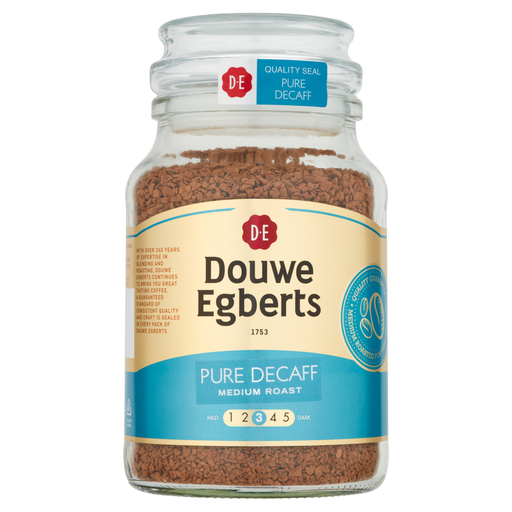 No image available
A decaf instant coffee rather than a pre-mixed milk sachet, leaving additions up to you. The product description says caffeine is below 0.1%, not that the prepared drink is caffeine-free; check the pack if a per-mug caffeine figure matters.
No. Instant coffee dissolves in water; a pyramid bag holds ground coffee that steeps. Raw Bean Coffee recommends a three-minute infusion for its bags, and Tesco lists coffee bags under ground coffee rather than instant coffee.
Plain coffee lets you choose what, if anything, to add to the mug. Diabetes UK advises cutting back on sugar in coffee and says there is no single diet for everyone living with diabetes; check additions and individual dietary needs rather than assuming one product suits everyone.
No. NESCAFÉ 2in1 Unsweetened Taste contains coffee and milk ingredients; NESCAFÉ UK & IE lists 3.8g carbohydrate and 0.9g sugars per prepared mug. Check the exact variant and preparation, as ‘unsweetened’ does not mean every sachet has the same ingredients.
Decaf addresses caffeine intake, while the ingredients and prepared-serving nutrition address what is in the drink. Choose a decaf variant if reducing caffeine matters to you. During pregnancy, the NHS advises keeping total caffeine from all sources to no more than 200mg a day.