Office and meeting-room organisers
For short breaks, sealed sachets keep preparation simple. A jar gives colleagues more control over strength and additions, provided the station has spoons and any milk or sweetener they need.


For a kettle-based winter drinks station, choose individual sachets when quick, pre-portioned preparation matters, or plain instant-coffee jars when people need to adjust the strength and add their own milk or sugar. A 240-count listing needs closer inspection: Pioneer Vending lists Nescafé 240-count drinks as 73 mm vending refills, which require a compatible machine rather than a mug and kettle.
For short breaks, sealed sachets keep preparation simple. A jar gives colleagues more control over strength and additions, provided the station has spoons and any milk or sweetener they need.
When serving many guests, check the number of usable portions, preparation method and current ingredient labels. A 240-count vending refill is not interchangeable with loose sachets for a kettle station.
A mix of sweetened sachets, plain coffee and a clearly identified decaf option can accommodate different preferences more readily than a single fixed-recipe pack.
Start with how drinks will be made, then check whether the pack count describes servings you can actually use at that station.
| Priority | What to check | Your needs |
|---|---|---|
| Preparation | Nescafé says its Original 3in1 sachets combine coffee, milk and sugar. Kenco says its 2in1 combines coffee and whitener and uses 200 ml of hot, not boiling water. A plain jar needs a spoon and separate additions. | I need people to make a drink with just a mug and hot water, or I can provide space and supplies for them to measure their own coffee. |
| Recipe choice | Check whether a sachet already contains milk, whitener or sugar. For a mixed group, consider whether plain coffee and separately supplied additions are needed alongside fixed-recipe sachets. | Some people want sweet white coffee; others may prefer black coffee, different milk or no added sugar. |
| Pack format | Confirm whether the count refers to loose sachets or machine refills. Pioneer Vending lists 240-count Nescafé Cappuccino and Latte products as 73 mm vending refills; check the exact machine compatibility before ordering. | I need to know that a stated 240 portions can be prepared with the equipment at my drinks station, not just that the number appears on the listing. |
| Quantity planning | Compare the sachet count with expected drinks. For jars, use the selected product’s suggested dose to plan servings rather than treating jar weight as a fixed cup count. | For a busy event, I need enough coffee for the planned service without assuming every jar or refill makes the same number of drinks. |
| Ingredients | Read the supplied pack’s current ingredients, allergen information and preparation instructions, particularly for coffee mixes containing milk or whitener. Keep decaf clearly identifiable if offering it. | Guests need to be able to distinguish the available recipes and check the pack information relevant to them. |
Pioneer Vending’s 240-count Nescafé Cappuccino and Latte listings describe 73 mm vending refills. Those are a different format from individual sachets prepared in a mug.
Check what each unit is and, for a vending refill, confirm the exact machine format before ordering.
Nescafé Original 3in1 combines coffee, milk and sugar, so its fixed recipe cannot be adjusted into plain black coffee.
If preferences vary, provide a plain coffee option and let people add milk or sweetener separately.
Retailers including Tesco and Sainsbury’s warn that food product information can change. An earlier online description may not match the pack being served.
Check the supplied pack’s ingredients, allergen information, best-before date and preparation instructions.
Guests choosing to avoid caffeine need to distinguish decaffeinated coffee from standard instant coffee at a shared station.
Label the options clearly and check the selected decaf pack before putting it out.
These examples show the formats worth distinguishing; a brand’s presence here does not establish that it sells a kettle-ready 240-sachet box.
Offers individually portioned coffee mixes as well as machine-specific vending drinks.
A reference point for comparing white-coffee sachets with other instant-coffee formats.
An example of the conventional instant-coffee jar route for a shared station.
A jar-format reference for standard and decaffeinated instant coffee.
A retailer reference for comparing small sachet packs with instant-coffee jars.
A retailer and own-label example for choosing measured servings from larger jars.
These options cover jars for measured servings, smaller pre-portioned sachet packs and a decaf jar for a shared winter drinks station. Check the pack quantity against your planned service, especially if you need 240 individual drinks.
 No image available
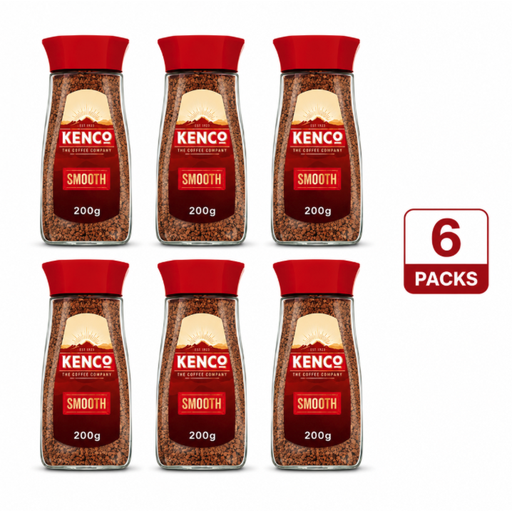
Six jars offer a plain instant-coffee option for a station where people can measure their own servings and add milk or sweetener separately. Provide a spoon and check the serving guidance when planning quantities.
 No image available
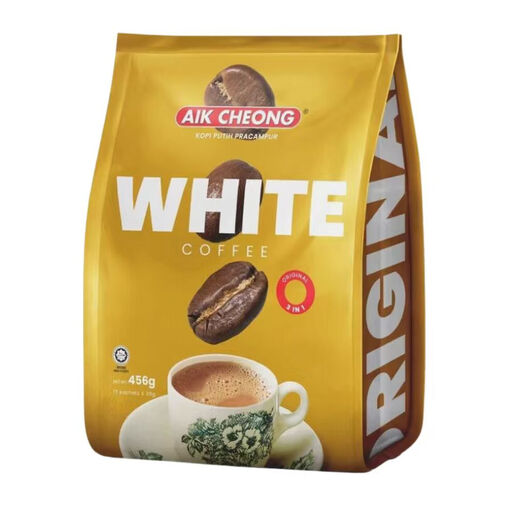
Individual 3-in-1 sachets suit a station set up for portioned white coffee. The recipe contains milk and sugar, so check the current pack label before serving it to a mixed group.
 No image available
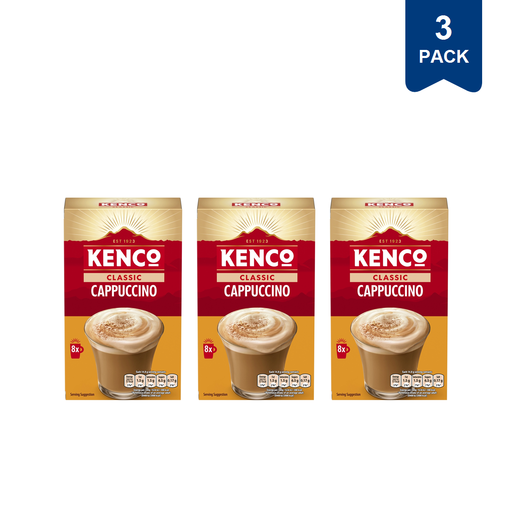
Three packs of portioned cappuccino sachets are an option for self-service drinks. This is a sweetened, milk-containing recipe rather than plain coffee; check the supplied packs’ current labels.
 No image available
A decaffeinated instant-coffee jar provides a separate, clearly identifiable option at a shared station. It needs a spoon for serving; check its suggested dose when estimating how many drinks the jar will make.
Do not assume so. Pioneer Vending describes its 240-count Nescafé Cappuccino and Latte products as 73 mm vending refills. Confirm the exact refill format and machine compatibility; that listing does not describe loose sachets for mug preparation.
Choose a 3-in-1 recipe if the station needs coffee, milk and sugar together in each portion. A 2-in-1 coffee-and-whitener sachet, such as Kenco’s, leaves sugar as a separate choice. Check the selected pack’s ingredients and preparation instructions.
A plain instant-coffee jar lets guests vary the measured coffee and add milk or sugar separately, provided you supply utensils and accompaniments. Sainsbury’s Gold Roast, for example, directs users to use one teaspoon per cup and add milk and sugar to taste.
No. Plan from the chosen product’s suggested serving size and the number of drinks required. Sainsbury’s states 55 servings for its 200 g Gold Roast jar using its suggested preparation; a different jar size or dose should not be treated as the same fixed portion count.
For food a business produces as prepacked for direct sale in England, Wales or Northern Ireland, the Food Standards Agency says the label must give the food name and a full ingredients list, with allergenic ingredients emphasised. Check whether that description applies to how you prepare and sell the product; for drinks served from supplied packs, keep their current ingredient and allergen information available to check.