Office coordinators serving mixed groups
When attendees' tastes are unknown, a smooth or mild blend is a starting point. A bolder jar can be added if the group asks for a fuller flavour.


For a meeting where tastes are unknown, start with a smooth or mild instant coffee and put milk and sugar out separately; choose a fuller, bolder blend when you know the group prefers it. For regular meetings, check pack size and the suggested amount per cup, and consider a clearly labelled decaffeinated option. Confirm the current pack label and availability before ordering.
When attendees' tastes are unknown, a smooth or mild blend is a starting point. A bolder jar can be added if the group asks for a fuller flavour.
Pack weight and the suggested amount per cup help you plan how much coffee to keep on hand across recurring meetings. Check that the chosen format suits your storage space and meeting schedule.
A separate, clearly labelled decaffeinated jar gives attendees another choice. Check the current labels for the coffee and any milk, creamers or other additions served alongside it.
Decide on the flavour profile for the group, then check preparation, pack size and whether the drinks station needs a decaffeinated choice.
| Priority | What to check | Your needs |
|---|---|---|
| Blend profile | Read the maker's flavour description. Kenco describes Smooth as balanced, Douwe Egberts describes Pure Gold as mild, and Nescafé describes Original as full and bold; these are product descriptions, not a taste test. | When I do not know everyone's preference, I would rather start with a smooth or mild option than assume the group wants a bold cup. |
| Preparation | Check the suggested coffee dose and water quantity on the chosen pack. Nescafé suggests approximately 1.8g of Original with 200ml hot water; instructions and resulting yields can differ between products. | I need to make several cups between agenda items without brewing equipment, while keeping the preparation consistent. |
| Pack format | Compare jar or case weight with how often meetings take place, and check storage instructions. Douwe Egberts lists a 300g × 10 professional format of Pure Gold, which is distinct from individual jars. | For recurring meetings, I want enough coffee on hand without choosing a format that is awkward to store or use. |
| Decaffeinated choice and labels | Check whether the selected coffee is labelled decaffeinated. Read the current pack labels for the coffee and any milk, creamers, syrups or snacks served with it. | Some attendees may prefer decaffeinated coffee, and I need to know what is in the complete drink I offer. |
Nescafé describes Original as full and bold, while Kenco positions Smooth as balanced and Douwe Egberts describes Pure Gold as mild. Those descriptions help distinguish options, but they cannot establish what every attendee will like.
Start with a smooth or mild blend when preferences are unknown; add a bold alternative if there is demand for it.
Jars and professional cases contain different quantities, and suggested amounts per cup can differ. Pack weight alone does not establish how many cups your meeting station will serve.
Check the pack size and preparation directions against the number and frequency of meetings you are supplying.
A caffeinated jar alone gives no coffee option to attendees who prefer decaffeinated drinks. Sainsbury's Gold Roast Decaffeinated is one example of a separately labelled instant-coffee variant.
If it is relevant to your group, place a clearly labelled decaffeinated jar beside the main blend and use separate labelled containers or spoons.
Product details can change, and additions such as milk or creamers introduce ingredients beyond those in the coffee jar.
Before serving, read the current packs for ingredients, allergen information and storage directions, including those for any additions.
These examples describe particular coffee lines and formats; a brand name alone does not tell you how every product in its range will taste or be packed.
Nescafé describes Original as a medium-intensity instant coffee with a full, bold flavour.
Kenco describes Smooth as a medium-roast, smooth and balanced instant coffee.
Douwe Egberts presents Pure Gold as a mild, well-balanced instant coffee and lists a 300g × 10 professional format.
Sainsbury's listings describe Carte Noire Classique as freeze-dried instant coffee, with a suggested serving of approximately 1.8g.
Tesco describes its Gold Instant Coffee 200g as a freeze-dried blend of Robusta and Arabica coffee.
Sainsbury's lists Gold Roast and Gold Roast Decaffeinated as separate 200g instant-coffee jars.
These jars offer smooth or medium-roast options for a main meeting coffee, a fuller-flavoured Original, and a separate decaffeinated choice. Check each pack against the group's preferences and expected use.
 No image available
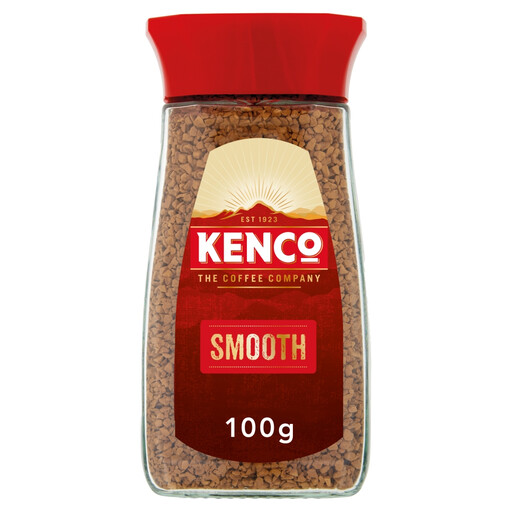
Consider this 100g jar when you want to start with Kenco's smooth, balanced blend for a meeting group with varied preferences. Check how many meetings the jar needs to cover.
 No image available
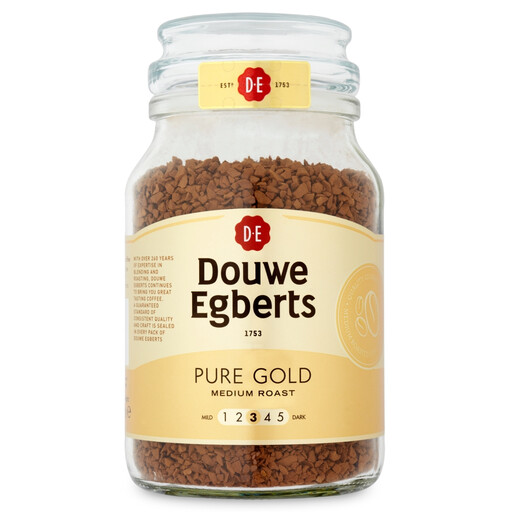
This 190g jar is an individual-pack option for meetings where a medium-roast Pure Gold is wanted. Check its preparation directions and pack size against expected use; it is not the 300g × 10 professional case.
 No image available
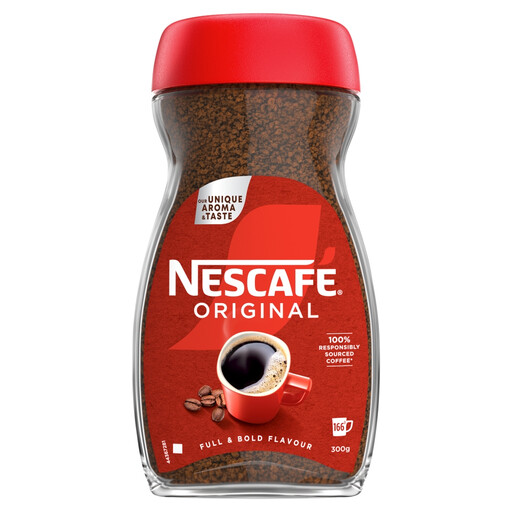
Choose this 300g jar when the meeting group is known to prefer the full, bold profile Nescafé describes for Original. Nescafé suggests approximately 1.8g with 200ml hot water as a typical preparation.
 No image available
This 190g decaffeinated jar can sit beside the main coffee when attendees want that choice. Label the station clearly and check the pack's preparation directions before planning quantities.
 No image available
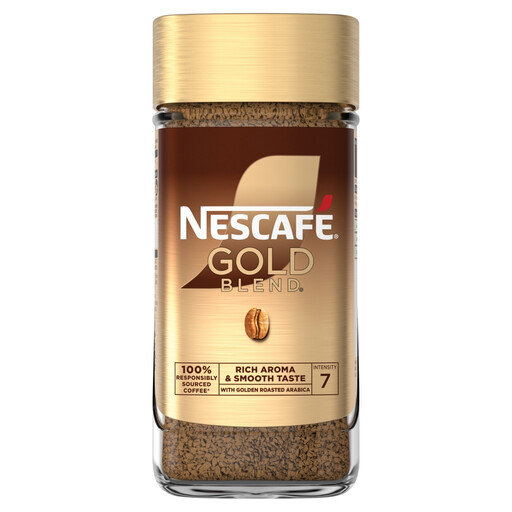
This 190g jar is another Gold Blend option for the main meeting station. If its precise blend composition matters to your choice, check the current pack ingredients before ordering.
Start with a smooth or mild blend and offer milk and sugar separately. Kenco describes Smooth as balanced and Douwe Egberts describes Pure Gold as mild; Nescafé Original is a fuller, bolder option when you know that is what the group prefers.
Consider a separately labelled decaffeinated jar if attendees may want that choice. Sainsbury's lists Gold Roast Decaffeinated, and Tesco's instant-coffee range includes decaffeinated options; check the specific product before buying.
Read the current labels for the coffee and everything served with it, including milk, creamers, syrups and snacks. The ingredients of a black-coffee jar do not describe the complete drink once additions are used.
Follow the directions on the specific pack and close it after use. Douwe Egberts advises keeping its packaging tightly sealed, while the Tesco and Sainsbury's product guidance describes cool, dry storage and replacing the lid or cap.