Hosts serving mixed preferences
Plain instant coffee lets guests choose their strength and add milk or sugar themselves. A jar or refill is worth considering when you can provide teaspoons and do not need every drink individually portioned.


Choose a jar of plain instant coffee when afternoon-tea guests may want different strengths or prefer to add their own milk and sugar; choose individual sachets when portioning matters more, after checking whether the drink is pre-mixed. An 80-count box of coffee bags is a different choice: the bags contain ground coffee that needs brewing, rather than soluble instant coffee. For a target of around 80 drinks, check the sachet count or the serving guidance on the exact jar instead of treating pack weight as a cup count.
The useful distinction for an afternoon-tea table is how much guests can customise their drinks and whether each cup needs brewing.
Plain instant coffee lets guests choose their strength and add milk or sugar themselves. A jar or refill is worth considering when you can provide teaspoons and do not need every drink individually portioned.
Sticks and sachets avoid measuring at a self-service table. Check whether each portion contains plain instant coffee or a prepared drink mix before choosing one for the whole group.
An 80-count coffee-bag box suits someone who wants ground coffee brewed in the cup, not instant coffee. Kingdom Coffee's directions for its Taylors of Harrogate 80-bag box specify a two-minute brew.
Start with the preparation method, then work out the quantity and the choice of drinks you want to put on the table.
| Priority | What to check | Your needs |
|---|---|---|
| Coffee format | Read the preparation directions. Soluble instant coffee is stirred into water; Kingdom Coffee's Taylors of Harrogate coffee bags contain ground coffee and have a stated two-minute brew. | I need coffee that can be stirred and served promptly, or I am happy to allow brewing time for each bag. |
| Serving quantity | For sticks or sachets, check the number of portions on the outer pack. For a jar, compare its weight with serving guidance for that exact coffee; Nescafé suggests approximately 1.8g with 200ml hot water for Original. | Around 80 drinks are planned, so I want to check the likely yield rather than assume a large jar or multipack contains exactly 80 servings. |
| Choice of additions | Check whether the coffee is plain or pre-mixed. Kenco describes its 3-in-1 sachet as a blend of instant coffee, whitener and sugar. | Guests may want black coffee or different amounts of milk and sugar; a plain option lets them make those choices. |
| Decaffeinated option | Look for decaf on the exact pack rather than assuming a standard jar or flavoured sachet is decaffeinated. Kenco lists a separate Decaf instant coffee. | I want to offer a clearly labelled decaf choice alongside regular coffee. |
| Ingredients | Read the current ingredient and allergen information on any pre-mixed sachets before serving them. Check the exact variant, not just the brand. | If guests need to avoid particular ingredients, I want to know what is already in each portion. |
An 80-bag box can meet the requested count while changing how every cup is made: coffee bags contain ground coffee and need time to brew.
Check the preparation directions. Choose bags if brewing each cup works for your table; choose soluble granules, sticks or sachets if you need stir-in coffee.
A jar states its coffee weight, while a sachet pack states a portion count. Neither a large jar nor a multipack name alone establishes an 80-drink yield.
Read the outer-pack count for portions. For loose coffee, use the serving guidance on the exact product to estimate how many cups the pack will make.
Kenco's 3-in-1 sachet contains whitener and sugar, so it does not give guests the same choice of additions as plain instant coffee.
Offer a plain option if guests may want black coffee or to add their own milk and sugar. Check each pre-mixed pack's ingredient and allergen information.
These examples help distinguish coffee formats; a brand's range does not tell you the count, ingredients or serving yield of an individual pack.
Nescafé Original is a plain instant-coffee option, while supermarket listings also show Nescafé cappuccino sachets.
Kenco lists instant coffee options including Decaf and a pre-mixed 3-in-1 drink.
Tesco lists Douwe Egberts Pure Gold as a 190g instant-coffee jar.
Sainsbury's lists Carte Noire Classique as an instant coffee in a 180g pack.
Tesco's instant-coffee category lists branded jars including Nescafé, Kenco and Douwe Egberts.
Sainsbury's lists own-label instant coffee as well as branded portioned drinks.
These jars and tins are options for serving plain instant coffee at afternoon tea, including separate decaf choices. Check each pack's serving directions if you are planning for around 80 cups.
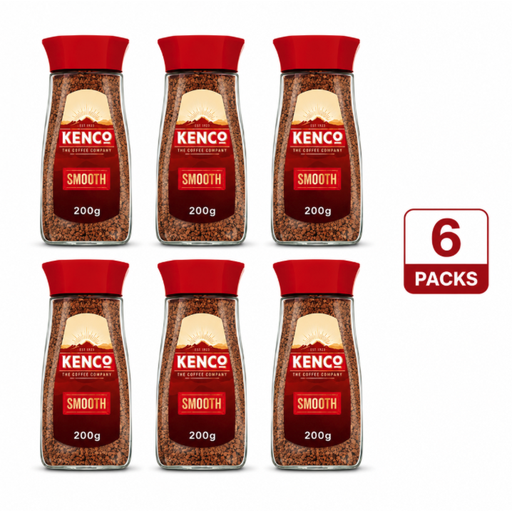 No image available
This plain instant coffee gives guests a choice of additions. The pack contains six 200g jars, so consider whether that quantity fits one event or several; check the serving directions when planning cups.
 No image available
This 190g jar provides a separately labelled decaf instant-coffee option for guests. Use the serving guidance on its pack to assess how many cups it will make.
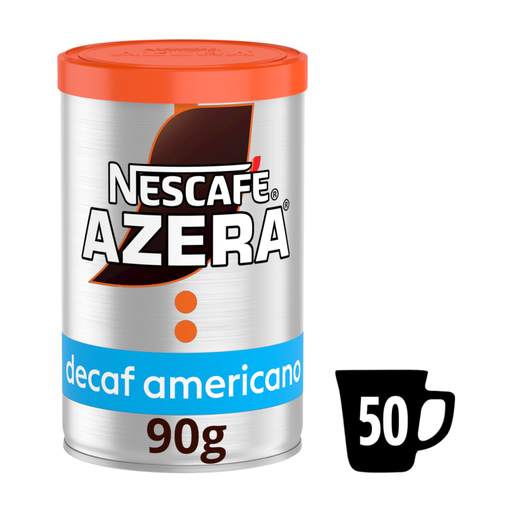 No image available
This 90g tin is another decaf instant-coffee choice for the table. Check its own serving guidance before relying on it for a particular number of drinks.
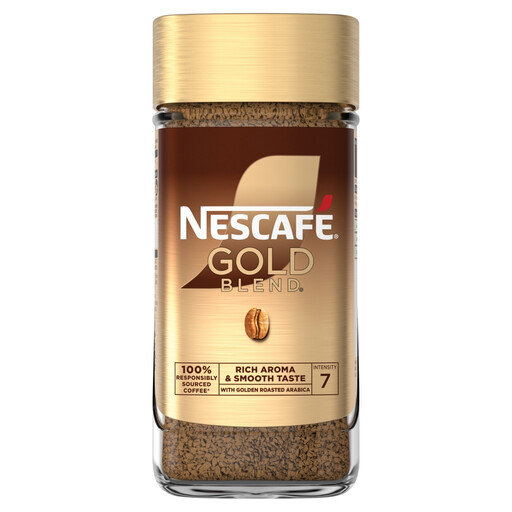 No image available
This 190g jar offers a plain coffee option when guests want to choose their own additions. Check the pack's ingredients if the precise blend matters, and follow its serving guidance when estimating cups.
No. Kingdom Coffee's Taylors of Harrogate 80-count box contains ground coffee bags, with directions calling for a two-minute brew. Choose soluble granules or instant sticks if you want coffee that is stirred into water.
Use the portion count on a stick or sachet pack, or estimate a jar's yield using the serving guidance for that exact coffee. Nescafé suggests approximately 1.8g per 200ml mug for Original; Sainsbury's gives approximately 100 cups for Carte Noire Classique 180g at a suggested 1.8g per cup. Neither figure makes another product an exact 80-serving pack.
Not if guests may want black coffee or control over milk and sugar. Kenco's 3-in-1 sachet contains whitener and sugar, so check the ingredients of any pre-mixed option and consider offering plain instant coffee alongside it.
Choose a product explicitly labelled decaf and check the exact pack before serving. Kenco lists Decaf as a separate instant-coffee option; do not assume an unlabelled jar or flavoured sachet is decaffeinated.