
24/7 Customer Support

Free returns

Same-day & Next-day Delivery

Quality Guaranteed

Unlock Your Welcome Offers: FREE Delivery | Up to 80% OFF | Free 30-day JoyPlus trial
Download the APP
An instant cup soup can be a useful standby for a desk drawer, university room, kitchen cupboard or travel bag. Add boiling water, wait a few minutes and you have something warm without washing a saucepan. However, the quickest option is not always the most suitable one.
The main buying traps are easy to miss:
Check the prepared serving size, rather than judging value by the dry sachet or cup weight alone. A 17g sachet of chicken soup is convenient for a light break, while a 107g instant noodle cup includes noodles, seasoning and vegetables for a more substantial meal.
For a quick lunch at work, consider whether you will eat the soup alone or with bread, fruit or a sandwich. A traditional tomato or vegetable cup soup can work well as an accompaniment, while an instant noodle soup may be more filling because it includes noodles and oil-based seasoning.
Preparation time also matters. Many easy-to-prepare soup products require boiling water and stirring, but noodle cups commonly need a covered standing time of three to five minutes. If you are buying soup for a busy office or study area, check that you have access to a kettle and a stable heat-resistant surface.
Look for the nutrition information per prepared portion where available. This gives a more realistic comparison than figures per 100g of dry product.
For example, Heinz Chicken Cup Soup is listed at 70 kcal per prepared cup, while Batchelors Cup a Soup Tomato is listed at 89 kcal per prepared portion. Batchelors Golden Vegetable is listed at 80 kcal per prepared portion, and Batchelors Chicken at 90 kcal per serving. These figures can suit shoppers seeking a low-calorie soup, but calories are only one part of the decision.
Salt deserves particular attention. Heinz Chicken Cup Soup lists 1.2g of salt per cup, equivalent to 20% of the reference intake shown on the product information. Instant noodle products can be considerably more concentrated: the listed NongShim Instant Shin Cup Noodle Soup nutrition is 4.9g of salt per 100g, while the Bai Xiang 107g cup is listed at 5.0g per 100g. Always check the current packaging, as formulations and labelling can change.
Read the allergen statement carefully. Examples across these products include:
Choose between a traditional cup soup, an instant noodle soup or a product for home preparation.
A chicken cup soup or tomato cup soup is generally compact and simple to store. Batchelors sachets can be kept in a cupboard and prepared in a mug, making them practical for soup for work. Cup noodles take up more space but provide noodles, seasoning and dehydrated vegetables in one container. Spicy cup noodles can add stronger flavour, although the seasoning may contribute more salt.
For longer-term storage, keep products in a cool, dry place and inspect sachets and cups before use. Do not use products with torn inner packets or damaged seals. Follow the preparation instructions, particularly where the pack states that the product must be consumed immediately after preparation.
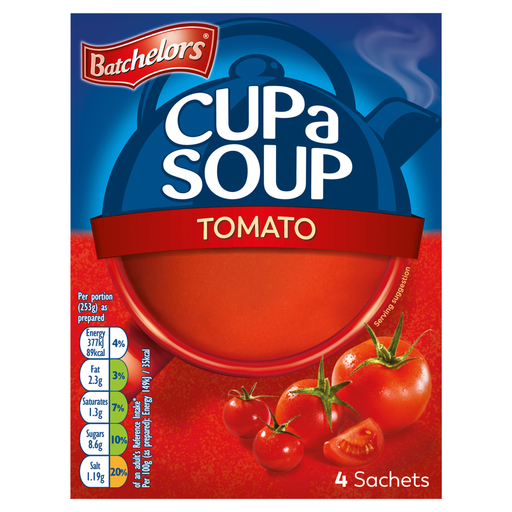
Why This Fits Their Persona: A practical choice for students, first-time buyers and office workers who want a familiar tomato flavour in individual sachets.
The listed information gives a prepared portion size and calorie value, making it easier to compare with other light soup options.
Tomato content is listed at 51%; each prepared portion is listed at 89 kcal and the product is suitable for vegetarians.
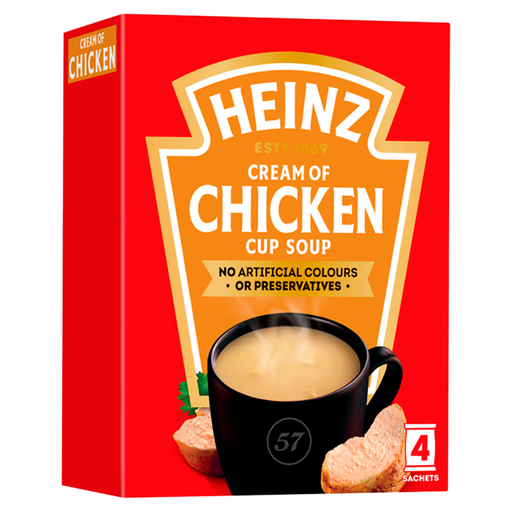
Why This Fits Their Persona: Suitable for shoppers who prefer a recognised UK cupboard staple and want several individually portioned sachets.
The product information clearly identifies milk as an allergen and provides nutrition per prepared cup, including salt.
Four 17g sachets; listed at 70 kcal per prepared cup with a creamy chicken flavour profile.

Why This Fits Their Persona: A case format for households, shared accommodation or regular instant noodle shoppers who want a filling cupboard reserve.
The case quantity and 107g cup size are stated clearly, while the ingredient list identifies wheat and soya allergens.
Non-fried noodles are listed; the cup includes dehydrated vegetables and is prepared with boiling water.
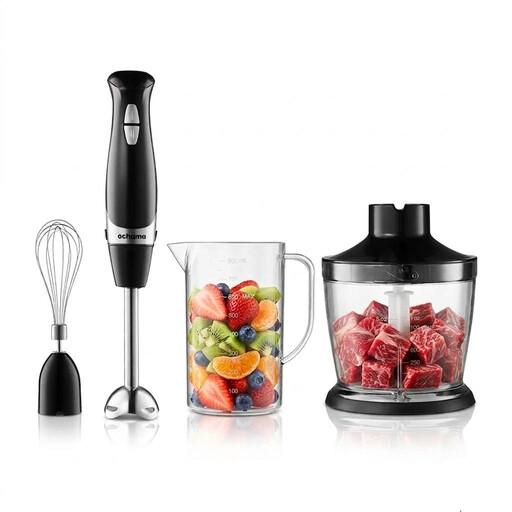
Why This Fits Their Persona: Useful for shoppers who would rather make fresh soup, purées or baby food at home and need one compact appliance for several tasks.
Its stated one-minute continuous-operation limit and sharp-blade warning make the operating requirements clear before purchase.
600W motor, two speed settings, whisk, 500ml chopper cup and 800ml beaker are included.
We have compiled a complete, real-time list of products that fully satisfy these strict selection criteria and UK safety regulations.
For sachet soup, empty the contents into a mug, add the amount of boiling water stated on the pack, stir thoroughly and allow it to stand if instructed. For instant noodle soup, add the seasoning and boiling water to the marked line, cover the cup and wait for the specified time. Check the label before microwaving, as some noodle cups specifically state not to microwave.
It can be, but portion size varies. A traditional chicken, tomato or vegetable soup may be better as a light lunch with bread or a sandwich. A 107g instant noodle cup generally provides noodles as well as broth, making it a more substantial option. Compare calories, salt, protein and ingredients rather than relying only on flavour or serving imagery.
Unopened products should be stored in a cool, dry place and used by the best-before information printed on the packaging. Keep sachets sealed and discard any with damaged or open inner packaging. Once prepared, follow the pack’s storage guidance; some soups should be consumed immediately, while opened prepared products may require refrigeration and use within a stated period.