Teams running routine drinks rounds
Where staff make coffee without a filter machine or cafetière, an instant jar offers in-cup preparation. Check the particular pack’s directions and storage instructions before planning portions.


Choose an instant-coffee jar for a drinks round prepared in the cup; choose roast-and-ground coffee when the home intends to brew it and has a suitable filter or cafetière. Keep a decaffeinated option available where it fits individual needs and preferences, rather than replacing everyone’s choice with one caffeine policy. For regulated services in England, the Care Quality Commission requires providers to meet people’s nutrition and hydration needs and take their preferences into account; it does not prescribe a coffee format.
Where staff make coffee without a filter machine or cafetière, an instant jar offers in-cup preparation. Check the particular pack’s directions and storage instructions before planning portions.
A decaf option allows drinks to reflect individual needs and preferences. The NHS Nottingham and Nottinghamshire Integrated Care Board’s local decaf-first programme also advises care settings to offer caffeinated drinks on request.
If residents prefer filter or cafetière coffee and the home can brew and clear away grounds, choose a ground product labelled for the equipment. Taylors of Harrogate describes its Decaffé ground coffee as suited to a filter or cafetière.
Settle the preparation method first, then check caffeine choice, pack directions and the needs of the people being served.
| Priority | What to check | Your needs |
|---|---|---|
| Preparation method | Confirm whether coffee is made in the cup or brewed. Instant granules and ground coffee need different preparation; check that filter or cafetière equipment is available before buying ground coffee. | I need a cup staff can prepare during a routine round without brewing equipment—or I want to offer residents brewed coffee and can accommodate its preparation and clear-up. |
| Caffeine choice | Identify the decaffeinated and standard variants on the pack. Consider individual needs and preferences; the NHS Nottingham and Nottinghamshire programme presents decaf-first service as a local approach that retains caffeinated drinks on request. | A decaf choice matters here, but residents who want caffeinated coffee should still have their preferences considered where it is suitable for them. |
| Portions | Read the directions and stated serving size for each product rather than assuming equal yields from equal weights. Sainsbury’s labels its 200 g decaf instant jar with one teaspoon per cup and 55 servings. | For a busy drinks round, I want staff to be able to prepare cups consistently and plan how much coffee to order. |
| Storage and labels | Check the physical pack’s ingredients, best-before date and storage directions at receipt and before use. Follow the home’s food-safety procedures rather than relying on an older online listing. | We need a product staff can store as directed and identify correctly when serving residents. |
| Hot-drink service | Apply individual risk assessments and the home’s procedures for drink temperature, cup choice and supervision. The Care Quality Commission identifies older people and people with reduced mobility, mental capacity or sensory impairment as potentially vulnerable to hot-water or hot-surface injury. | Whichever coffee we buy, the way we prepare and hand over a hot drink needs to suit the resident. |
Instant granules are prepared in the cup, while ground coffee needs compatible brewing equipment. One format will not deliver the other’s preparation method.
Agree how coffee will be served before ordering, and check the equipment, cleaning routine and staff workflow if the choice is ground coffee.
Decaf-first practice does not remove the need to consider individual preferences. The NHS Nottingham and Nottinghamshire programme recommends keeping caffeinated drinks available on request.
Use the home’s care-planning process to decide what to offer each resident, and keep the appropriate choices identifiable during service.
Product details can change, so an earlier listing should not replace the label on the coffee being served.
Check the physical pack’s ingredients, best-before date and storage directions, and follow the home’s food-safety controls. The Food Standards Agency identifies allergenic hazards among the hazards a food-safety system must consider.
The Care Quality Commission warns that some people using care services may be vulnerable to injury from hot water or surfaces. Choosing instant rather than brewed coffee does not remove that risk.
Follow the resident’s risk assessment and the home’s procedures for temperature, cup choice, positioning and supervision.
These examples illustrate the difference between instant jars, refills and ground coffee; check the current pack for the variant you order.
Its Gold Roast range includes standard and decaffeinated 200 g instant-coffee jars.
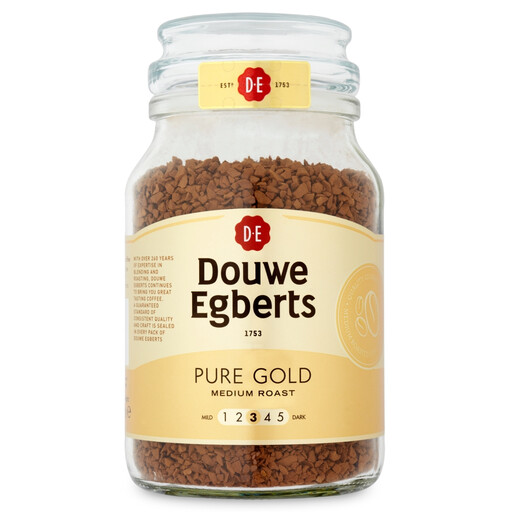
Pure Gold includes an instant-coffee jar and a 150 g paper refill intended for a Douwe Egberts stopper jar.
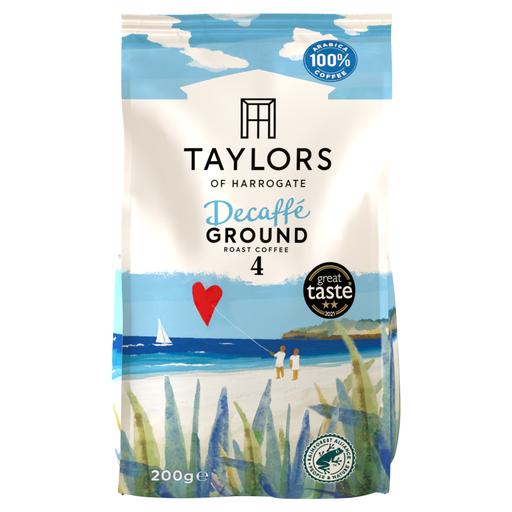
Taylors Decaffé is a 200 g decaffeinated ground-coffee option described for filter or cafetière preparation.
Lavazza describes Qualità Oro Dark Roast ground coffee as suitable for filter, French press and moka preparation.
Its Gold Decaf Instant Coffee is a 100 g decaffeinated, freeze-dried option.
These options include decaffeinated coffee for routine drinks rounds, a ground decaf choice for brewed service, and a standard instant-coffee choice where caffeinated coffee is wanted and suitable.
 No image available
A 300 g decaf option for drinks rounds where it fits residents’ needs and preferences. Check the pack’s preparation directions before planning portions, and its current ingredients, date and storage directions before service.
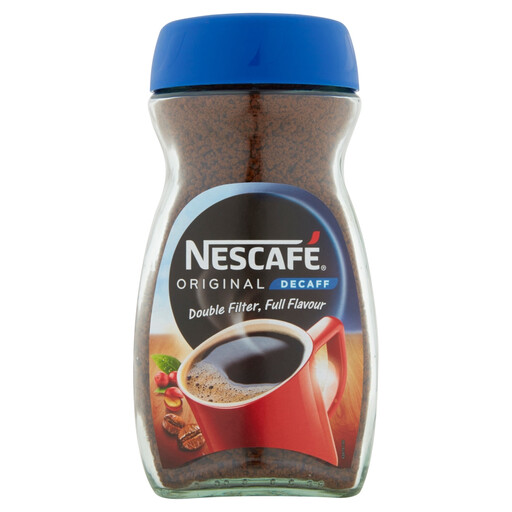 No image available
This 200 g decaf variant is another choice for a routine drinks offer. Use its own pack directions to establish portions, and check the current label and storage instructions before serving.
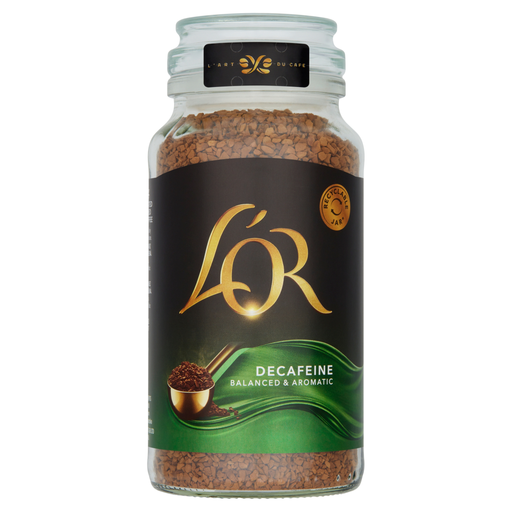 No image available
A 150 g decaf choice for homes offering coffee during drinks rounds. Confirm the preparation amount on this pack rather than using another product’s serving count, and follow its current label for storage.
 No image available
Consider this 200 g ground decaf coffee where the home prepares brewed coffee. Taylors describes its matching Decaffé ground coffee for filter or cafetière use; confirm the directions on the physical pack and allow for brewing and grounds handling.
 No image available
This 190 g standard instant coffee suits an in-cup service when caffeinated coffee is wanted and suitable. It is not a decaf substitute; check the pack’s portion, ingredient and storage directions before use.
No. Instant coffee is prepared in the cup, while roast-and-ground coffee needs a compatible brewing method such as a filter or cafetière. Choose by the drink the home intends to serve and the equipment staff will use.
A decaf-first approach can be considered alongside individual needs and preferences, not imposed on every resident. The NHS Nottingham and Nottinghamshire Integrated Care Board’s local programme recommends introducing decaf as the default in care settings while offering caffeinated drinks on request; it is not a UK-wide coffee rule.
For regulated services in England, Care Quality Commission Regulation 14 requires providers to meet people’s nutrition and hydration needs and take their preferences, religious backgrounds and cultural backgrounds into account. It does not specify a coffee brand, preparation format or caffeine policy.
Follow the directions on the jar being used. Sainsbury’s Gold Roast instant-coffee information, for example, says to keep it in a cool, dry place and replace the cap after use; check the physical pack for its best-before information and current instructions.
No coffee format removes the risks of hot-drink service. The Care Quality Commission identifies people with reduced mobility, mental capacity or sensory impairment among those who may be vulnerable to injury from hot water or surfaces. Follow the resident’s assessment and the home’s procedures when preparing and serving either type of coffee.