Kettle-only night-shift workers
If a break room has hot water but no brewing equipment, an instant jar allows direct preparation in a mug. A coffee bag also needs only hot water, but must steep before drinking.


Choose an instant-coffee jar if your night-shift break calls for a drink made with just a kettle and mug: instant coffee dissolves in hot water, whereas ground filter coffee needs brewing. Coffee bags offer a brewed alternative without a machine, but need time to steep; if caffeine matters before planned daytime sleep, consider a decaf option and check the pack rather than relying on the jar size to judge caffeine content.
If a break room has hot water but no brewing equipment, an instant jar allows direct preparation in a mug. A coffee bag also needs only hot water, but must steep before drinking.
Decaf instant coffee retains the quick jar format when reducing caffeine is the aim. Check the individual pack if you need to account for caffeine precisely; decaf should not be treated as a way to manage fatigue.
Coffee bags contain ground coffee that brews in the cup, rather than soluble instant coffee. Allow time to steep: the M&S coffee-bag example specifies four minutes, though instructions for another bag may differ.
Start with the equipment and time available during the break, then decide whether a soluble drink or brewed coffee is what you want. Check caffeine and pack instructions for the particular product you choose.
| Priority | What to check | Your needs |
|---|---|---|
| Preparation | Check whether the coffee dissolves directly in hot water, steeps in a bag or requires a filter machine or cafetière. For coffee bags, read the stated brewing time; an M&S example specifies four minutes. | I have only a kettle and mug, and my break may be too short for brewing. |
| Coffee format | Instant coffee is soluble; ground coffee is not. If choosing ground coffee, match its intended grind and method to your equipment. Lavazza describes different grinds for filter, moka and espresso preparation. | For me, a brewed filter cup matters more than making coffee immediately. |
| Caffeine | Compare caffeinated and decaf versions, and check the pack for serving information where available. Account for caffeine from other drinks and supplements rather than judging it by roast name or jar weight. | Near planned daytime sleep, I may want a hot drink without choosing another regular caffeinated coffee. |
| Pack and storage | Check pack weight, preparation instructions, best-before date and storage directions. For a shared supply, consider whether the pack can be used and stored as directed. | A jar kept between shifts needs to suit how often I, or others in the break room, will use it. |
| Ingredients | Read the current ingredients and allergen information on the product you buy, particularly when comparing plain coffee with flavoured or mixed coffee drinks. | If an ingredient or allergen affects my choice, I need the details for the exact pack. |
Adding hot water to soluble instant coffee makes an instant drink, not a cup brewed from ground coffee.
Choose a coffee bag if you want ground coffee without a machine, or check that ground filter coffee matches the brewing equipment available.
NHS night-shift guidance identifies sleep deprivation and fatigue as risks of working at night. Coffee does not replace a plan for sleep and rest.
Consider when you plan to sleep, keep track of caffeine from other sources, and choose decaf if reducing caffeine is the reason for changing drinks.
Pack weight tells you how much coffee is in the container, not the caffeine content of a prepared serving. Preparation amounts can also differ between products.
Check serving instructions and any caffeine information on the current pack before comparing what a jar provides.
A product name alone cannot tell you every ingredient or allergen in the pack, particularly if you move from plain coffee to a mixed drink.
Read the current label for the exact product when ingredients, allergens or preparation instructions affect your purchase.
These ranges illustrate different coffee formats; a brand's presence here does not mean that every product in its range suits a kettle-only break.
Lavazza's ground-coffee range includes coffee intended for filter, moka and espresso methods.
Taylors offers ground coffee and coffee bags for people choosing a brewed-coffee format.
The UK instant-coffee range includes jar and refill formats.
Tesco is a retailer reference for comparing instant-coffee jars, decaf products and refills.
M&S lists instant coffee, a decaf micro-ground instant product and coffee bags.
These options include instant jars for direct mug preparation, coffee bags that brew in the cup, and ground coffee for a filter machine or cafetière. Choose by the equipment and break time you have rather than treating the formats as interchangeable.
 No image available
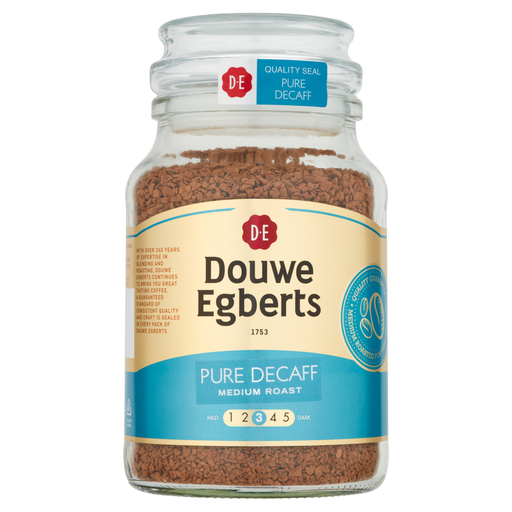
A decaf instant jar is a kettle-only option when you want to reduce caffeine before planned sleep rather than choose another regular coffee.
Check the current pack for hot-drink instructions and caffeine information if either is important to your choice; decaf does not necessarily mean caffeine-free.
 No image available
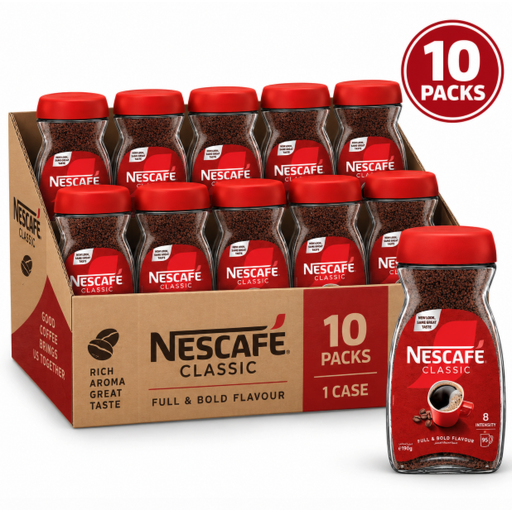
Instant coffee suits direct mug preparation during a kettle-only break. The pack contains ten 190 g jars, so consider how much storage space a shared or frequent-use supply needs.
This is a regular caffeinated option; check the current label if you are planning caffeine intake per mug.
 No image available
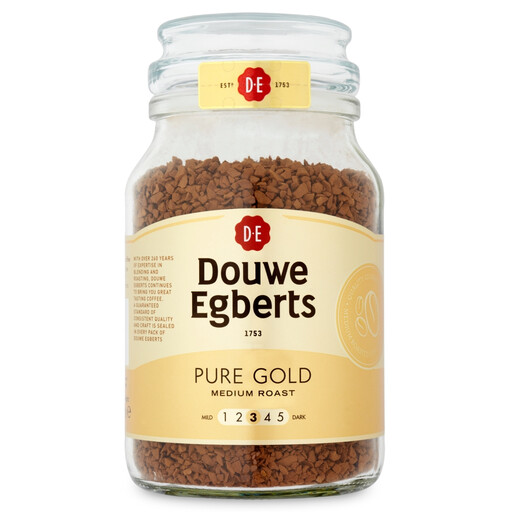
This instant-coffee jar fits a break with a kettle and mug, without the equipment needed to brew ground filter coffee.
The 190 g pack is labelled medium roast. Roast description and pack weight do not establish caffeine per prepared cup, so check the current label when managing intake.
 No image available
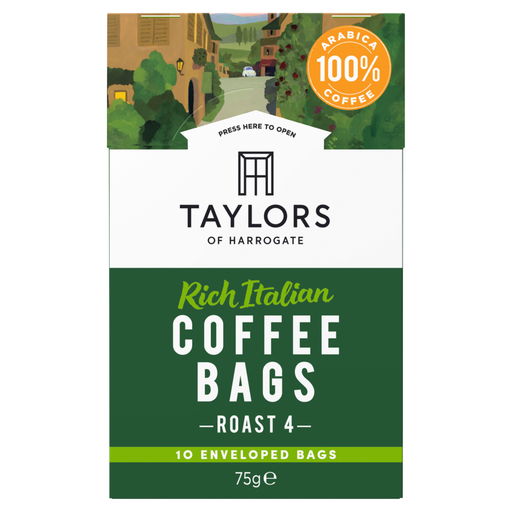
Coffee bags offer a brewed-coffee route when you have hot water but no filter machine or cafetière. They are not soluble instant coffee, so allow time for steeping.
Check this pack's preparation instructions before counting on it for a very short break; another brand's brewing time may not apply.
 No image available
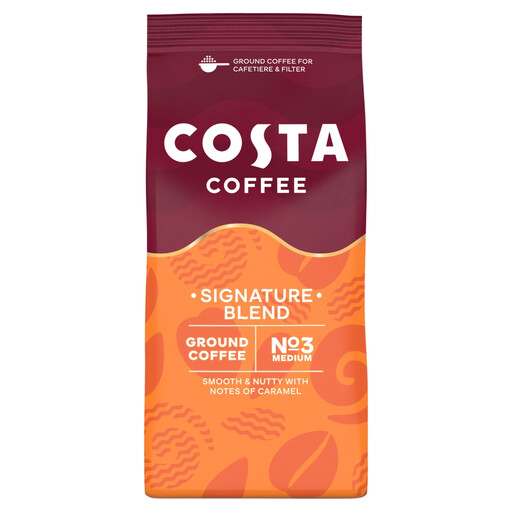
This ground coffee is labelled for cafetière and filter preparation. Choose it when you have compatible brewing equipment and time to use it, not for direct mug preparation with a kettle.
Check the pack's storage directions after opening and its serving information if you are tracking caffeine.
No. Instant coffee dissolves in hot water, while ground filter coffee needs brewing. A coffee bag is another ground-coffee format: it steeps in the mug rather than dissolving like instant granules.
An instant jar allows direct preparation in a mug without waiting for coffee to brew. Coffee bags also avoid separate brewing equipment, but need steeping time; the M&S example specifies four minutes.
Decaf is an option if you want to reduce caffeine before planned daytime sleep while keeping the instant-coffee format. Check the particular pack if you need to account for caffeine precisely, and do not use coffee in place of sleep or rest.
The UK Food Standards Agency, drawing on EFSA's 2015 opinion, says that up to 400 mg of caffeine a day is unlikely to cause adverse effects for most individuals. That is not a personal intake target: count caffeine from all sources, and seek individual advice where pregnancy, a health condition, medicines or sensitivity make it relevant.
Follow the storage and best-before instructions on the pack you buy. Check any directions for closing an instant jar or resealing ground coffee after opening, particularly if a workplace supply will be used over several shifts.