
24/7 Customer Support

Free returns

Same-day & Next-day Delivery

Quality Guaranteed

Unlock Your Welcome Offers: FREE Delivery | Up to 80% OFF | Free 30-day JoyPlus trial
Download the APP
Instant latte drinks can make a convenient café-style latte at home, at work or while travelling. However, the format you choose affects preparation time, flavour, storage, cost and waste. A sachet may suit a desk drawer, while latte capsules may be more practical for regular machine users.
Before buying, look beyond phrases such as “barista-style” or “rich and creamy”. The useful details are usually found in the ingredients list, nutrition panel, preparation instructions and compatibility information.
A multipack may appear economical, but check the number of servings, serving weight and preparation method. Some coffee latte sachets contain one drink per packet, whereas latte capsules may require two capsules for a single serving. A larger tin can also be less suitable if you use latte drinks occasionally and the powder loses freshness after opening.
Many instant latte sachets contain sugar, milk powder, glucose syrup or vegetable creamer. Flavoured latte drinks can contain additional sweeteners or flavourings. Always check the ingredients in bold and the nutrition information per prepared serving, rather than relying only on the front of the pack.
For example, Morrisons Classic Instant Latte Sachets contain milk and may contain cereals containing gluten and soya. Kenco Original Latte Sachets contain milk, while Nescafé Vanilla Cookie Dough Latte lists milk and soya. These products are not suitable for people avoiding those allergens. Recipes can change, so check the packaging supplied with your order.
Latte capsules and coffee pods are not universally interchangeable. Dolce Gusto latte capsules are designed for Dolce Gusto machines, while Tassimo latte discs are made for Tassimo systems. Some drinks use separate coffee and milk capsules; others are all-in-one pods.
A capsule may fit physically but still be unsuitable for a different brewing system. Confirm the machine name and capsule format before purchasing.
Read the full ingredient list for:
Matcha latte mix and chai latte powder may contain little or no coffee but can still include milk, sugar or caffeine from tea. Tsuboichi Seicha Organic Matcha Latte Mix lists sugars and matcha from Japan, while Nestle Fuwa Matcha Latte contains milk and aspartame, a source of phenylalanine.
Compare the per serving figures, not just values per 100g. Preparation instructions can materially change the final drink. For example, adding milk instead of water increases energy and fat content.
Morrisons Classic Instant Latte provides 58 kcal per prepared 194ml latte according to its listed nutrition information. Kenco Original Latte is listed at approximately 66–67 kcal per serving, while Costa Coffee Salted Caramel Latte Sachets contain 52.9g of sugars per 100g of powder. These figures are useful for comparison, but always follow the current pack label.
Sachets offer measured portions and are easy to keep in an office cupboard or travel bag. Powders in tins allow you to adjust strength but require a spoon and careful resealing. Capsules reduce measuring and cleaning, although they need a compatible machine and create used-pod waste.
Check whether the drink requires:
For ready-to-drink latte products, storage is especially important. Canned drinks such as Pokka Milk Coffee and Suntory Boss Cafe au Lait need no preparation, but follow the label’s storage instructions and consume promptly after opening.
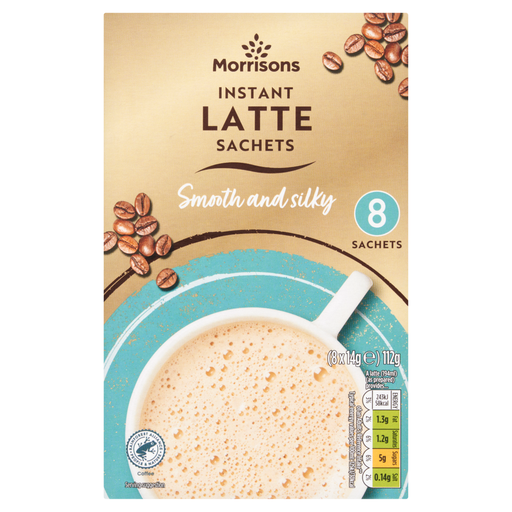
Why This Fits Their Persona: An 8-sachet format provides individually portioned instant coffee latte drinks for home, work or occasional use without buying a machine.
The serving size and preparation volume are clearly listed, helping you compare the drink rather than judging value by pack appearance alone.
Eight single sachets; listed at 58 kcal per prepared 194ml latte; suitable for vegetarians.
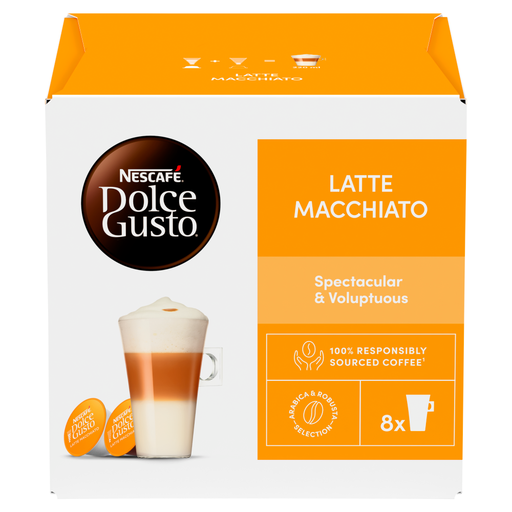
Why This Fits Their Persona: Suitable for Dolce Gusto machine owners who want a layered milk-and-coffee drink with a foamed finish and repeatable preparation.
The pack specifies 8 coffee capsules and 8 milk capsules, making the two-part serving system clear before purchase.
Eight servings; whole milk powder is the main listed ingredient in the milk capsules; machine compatibility is stated.
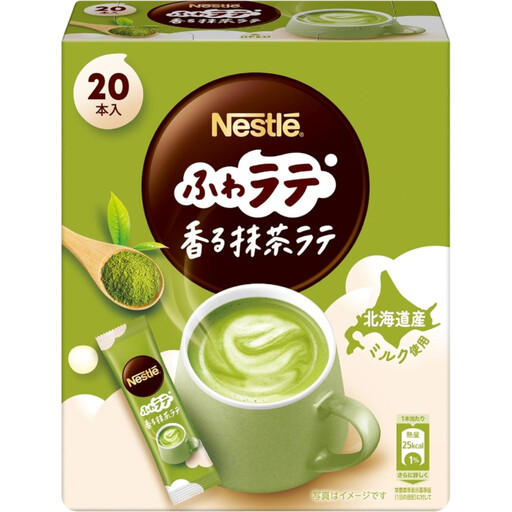
Why This Fits Their Persona: A 20-stick box suits regular matcha drinkers who want portion control at home, in the office or while travelling.
The pack includes a stated 4.8g serving and instructions for both hot and iced preparation, reducing guesswork.
Twenty individual sticks; 120ml hot-water preparation; can be dissolved before adding ice for a cold drink.

Why This Fits Their Persona: A single 240ml can works for commuting, work breaks, road trips or occasions when there is no kettle or coffee machine available.
There is no powder measuring or capsule compatibility issue; it is a sealed, ready-to-drink format.
240ml single-serve can; listed at 100.8 kcal per can; ready to drink chilled or at room temperature.
We have compiled a complete, real-time list of products that fully satisfy these strict selection criteria and UK safety regulations.
The answer depends on pack price, serving count and machine ownership. Sachets do not require a capsule machine, so they can involve fewer upfront costs. Coffee pods may be convenient for frequent machine users, but check whether one drink needs one or two pods and include the cost of filters, cleaning and electricity.
Use the printed best-before date and store unopened products in a cool, dry place. After opening a tin or pouch, reseal it carefully to limit moisture and clumping. Individual sachets generally offer easier portion control and protection until opened. Do not use damaged, damp or unusually smelling products.
Yes. Instant coffee latte products can be prepared with hot water according to the label. Luckin Genki Ball Instant Coffee Solid Beverage, for example, can be mixed with hot or cold water and combined with dairy or plant-based milk. For matcha latte mix or chai latte powder, check whether the recipe requires milk, a specific water volume or an initial small amount of hot liquid to dissolve the powder.