
24/7 Customer Support

Free returns

Same-day & Next-day Delivery

Quality Guaranteed

Unlock Your Welcome Offers: FREE Delivery | Up to 80% OFF | Free 30-day JoyPlus trial
Download the APP
For many UK households, instant latte sachets are an easy way to prepare a hot drink at home, in the office, while travelling or during a busy back-to-school morning. They require little equipment, create minimal washing-up and are simple to store in a desk drawer or kitchen cupboard.
However, attractive packaging can make it difficult to compare latte sachets properly. A larger box may contain fewer servings than expected, while a flavour-led drink may contain considerably more sugar than a straightforward coffee blend. Matcha products also vary widely in caffeine content, dairy ingredients and preparation instructions.
This guide explains the main buying pitfalls, the product details worth checking and our top recommendations for 2026.
A box containing 12 sachets may appear more economical than a six- or seven-sachet pack, but individual portions can differ considerably in weight. For example, sachets may contain around 16g, 19.5g, 23g or 25g of powder.
Before comparing prices, check:
A three-pack bundle of Kenco Original Latte, for example, provides more individual servings than one eight-sachet box, making it potentially more suitable for shared cupboards or regular drinkers. The cost per serving is more useful than the front-of-pack box price.
The word “latte” does not automatically mean low sugar, dairy-free or suitable for a vegan diet. Many instant coffee latte sachets contain skimmed milk powder, lactose, whey or other milk ingredients. Some also use coconut oil or glucose syrup to create a creamy texture.
Always read the ingredient list and allergen statement, particularly if you need to avoid:
Plant-based products require the same care. OMGTea Matcha Latte Sachets Vanilla use organic rice drink powder but list oats as an allergen. This means the product may suit some customers seeking a non-dairy drink, but it should not be treated as suitable for every allergy or dietary requirement.
Flavoured latte sachets, including caramel latte sachets and vanilla latte sachets, are usually designed around a sweet, creamy taste. Coffee content can be modest compared with the milk powder, sugar or flavouring components.
For instance, the supplied information for Costa Coffee Salted Caramel Latte Sachets lists coffee at 7% and 52.9g of sugars per 100g. Starbucks Premium Instant Caramel Latte Sachets list 5.8% coffee and 14.2g of sugar per 23g sachet. These figures do not make the drinks unsuitable, but they help distinguish a dessert-style beverage from a stronger coffee-led option.
If you want a pronounced coffee character, check the percentage of instant coffee or coffee blend in the ingredients. Kenco Original Latte lists 9% instant coffee, while Nescafé Latte lists 8%.
For matcha latte sachets, check whether the product contains Japanese matcha, generic matcha powder or a blend with a relatively small matcha percentage. OMGTea Matcha Latte Sachets Vanilla lists organic Japanese matcha at 15%, alongside rice drink powder and vanilla. Aik Cheong Matcha Latte contains matcha powder with milk powder, sugar and vegetable creamer, so it offers a different dairy-based format.
Matcha naturally contains caffeine. Follow the preparation guidance and product warnings, particularly if you are sensitive to caffeine.
Nutrition panels are generally displayed per 100g and per serving. The serving figure is the practical comparison for everyday use.
As a guide, the supplied products show notable variation:
Check whether the stated nutrition assumes water only. Adding milk, syrups or extra sugar changes the final drink.
Most single-serve latte powder products require hot water, but the recommended quantity differs. Some use approximately 180–220ml, while matcha blends may suggest hot water or plant-based milk.
For a smoother result:
A larger serving sachet may produce a fuller drink, but it may also contain more sugar and calories. For office use, check whether the instructions require a whisk, shaker or simply a spoon.
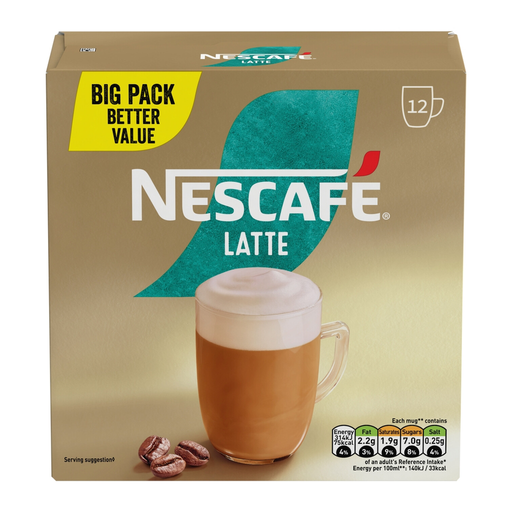
Why This Fits Their Persona: A 12-sachet box gives occasional drinkers a practical way to keep instant coffee latte available at home without committing to a large multipack.
The pack count and total net quantity are clearly stated, making it easier to compare portions rather than relying on box size.
12 individual sachets; contains instant coffee and skimmed milk powder; designed for simple hot-water preparation.

Why This Fits Their Persona: Suitable for shoppers seeking a vanilla matcha drink with organic ingredients and a plant-based rice drink powder format.
The ingredient list identifies Japanese matcha at 15% and states that the product contains oats, helping buyers assess both content and allergen suitability.
Six 12g sachets; includes vanilla flavouring and coconut blossom sugar; can be mixed with hot water or plant-based milk.
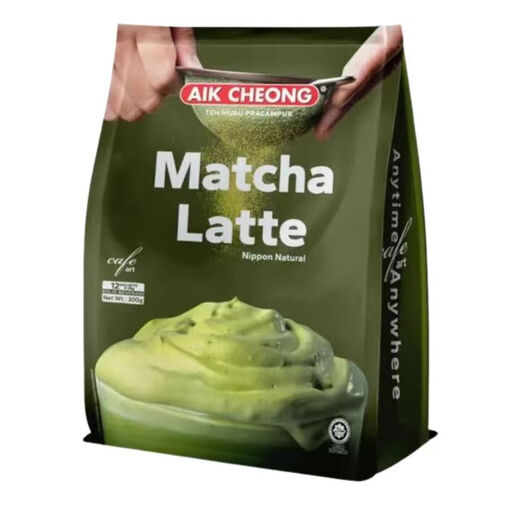
Why This Fits Their Persona: A 12-sachet format suits matcha drinkers who want a larger cupboard supply for home, work or travel.
The 25g serving size and milk allergen information make it easier to identify a fuller, dairy-based drink rather than assuming all matcha sachets are plant-based.
12 individual 25g sachets; contains matcha powder and milk powder; suitable for hot water or milk preparation.
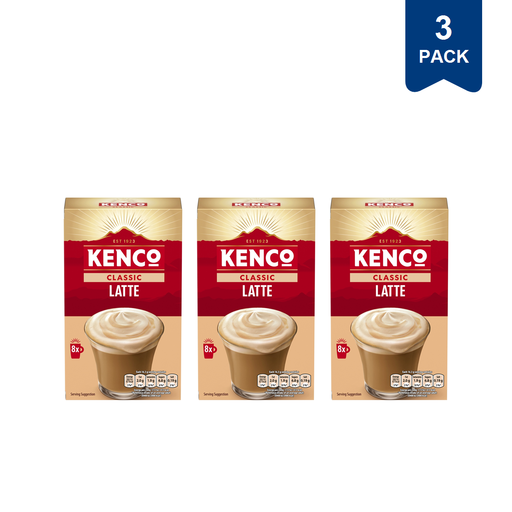
Why This Fits Their Persona: The three-pack format is practical for households, shared offices or commuters who use convenient hot drinks regularly.
The multipack helps reduce the need to reorder frequently, while the 16.3g portion size supports straightforward cost-per-cup comparison.
24 sachets in total; lists 9% instant coffee; contains milk and provides approximately 66–67 calories per serving according to the supplied product information.
We have compiled a complete, real-time list of products that fully satisfy these strict selection criteria and UK safety regulations.
Empty one sachet into a mug and add the amount of hot water stated on the packaging, commonly around 180–220ml. Stir thoroughly. Some matcha latte sachets can also be mixed with plant-based milk, while dairy-based products may require only hot water.
Unopened sachets generally remain suitable until the printed best-before date when stored in a cool, dry place. Keep them sealed away from moisture and direct sunlight. Once opened, use the powder immediately because exposure to humidity can cause clumping and affect how evenly it dissolves.
The answer depends on the product price, serving size and how often you buy café drinks. Sachets usually require no coffee machine and have a fixed portion, making everyday spending easier to track. Compare the price per sachet, not just the box price, and include any extra milk or sugar in your calculation.