
24/7 Customer Support

Free returns

Same-day & Next-day Delivery

Quality Guaranteed

Unlock Your Welcome Offers: FREE Delivery | Up to 80% OFF | Free 30-day JoyPlus trial
Download the APP
Instant miso soup is a practical cupboard staple for busy UK households. Add hot water to a sachet and you can have a warm Japanese-style soup alongside breakfast, lunch or dinner in minutes. However, not every packet suits every diet, taste preference or serving routine.
The packaging can also make comparison difficult. Terms such as “authentic”, “restaurant-style” and “premium” describe a product’s positioning, but they do not tell you whether it contains fish, how much water to use or how many servings you actually receive. This guide explains the important details to check before buying, followed by our top recommendations for different shopping needs.
Miso itself is made from fermented soybeans, rice and salt, but the soup stock may contain bonito, sardine or other fish ingredients. For example, several tofu varieties listed in this guide include bonito or fish extract.
If you need vegetarian miso soup, look beyond the front label and check the full ingredients list. Products with kelp, shiitake mushroom or onion extracts as the stated flavour base may be more suitable, but always confirm the current packaging before purchase.
White miso soup, also called shiro miso soup, is generally associated with a milder, slightly sweeter profile. Red miso soup, or aka miso soup, is typically deeper and more savoury. These names describe the style of miso, not a guarantee of a particular salt level or flavour intensity.
A red miso sachet may be more suitable for pairing with rice or savoury meals, while white miso can work well as a light breakfast or gentle side dish. Personal taste varies, so buying a small pack first can be sensible if you are new to Japanese miso soup.
A 152g pack may contain eight servings, while a 30g sachet may be intended as one bowl. Check the serving count, recommended water volume and whether the soup base and garnish are in separate packets.
This matters when comparing the cost of a quick miso soup for an office lunch with a multi-serving pouch for a family cupboard. Sachets with separate tofu, wakame seaweed or spring onion garnishes can also provide more texture than a plain powdered base.
Soybeans are a normal ingredient in miso and tofu, so these products are not suitable for people with a soy allergy. Some varieties also contain:
UK allergen declarations can change with reformulation or packaging updates. Read the bold or underlined allergen information on the product you receive, particularly if you have an allergy or are buying for someone else.
A product described as vegetarian should still be checked against its current ingredient list. The Marukome vegetarian varieties supplied here use flavouring ingredients such as kelp, shiitake mushroom and onion extracts rather than meat or fish dashi. By contrast, products containing bonito powder or fish extract are not suitable for vegetarians.
“Vegetarian” does not automatically mean vegan, gluten-free or low-salt. Treat each of these as a separate check.
Most Japanese instant miso soup sachets need only boiling or very hot water, stirring and a short standing time. Typical instructions in this range use approximately 160–250ml of water per serving, although the exact amount differs between products.
Using too much water can make the soup taste weak; using too little can produce a very salty bowl. Follow the packet instructions first, then adjust the water slightly to suit your preference. Miso soup should be dissolved and rehydrated before eating, and hot water should be handled carefully.
Salt levels are another practical consideration. Nutrition panels supplied for these products show that miso soup can be relatively salty per 100g of dry product. Compare the per-serving information where available rather than relying only on the front-of-pack flavour description.
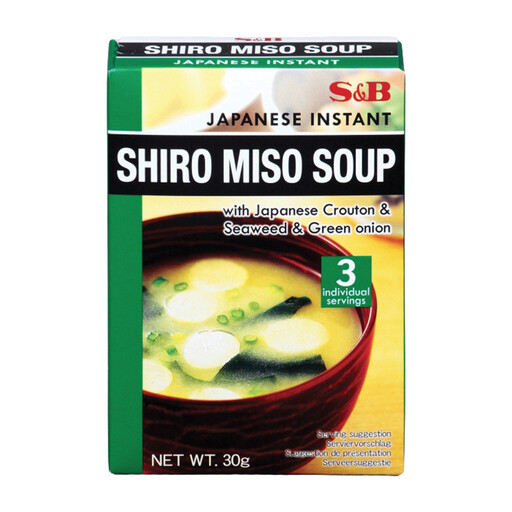
Why This Fits Their Persona: A single 30g sachet is a straightforward way for students, first-time buyers or office workers to try white miso soup without committing to a larger multi-serving pack.
The product information clearly states the approximate 180ml water measure and identifies soy as an allergen, helping shoppers avoid guessing about preparation or suitability.
White miso powder is accompanied by wakame seaweed and spring onion. The sachet is designed for quick preparation with hot water.
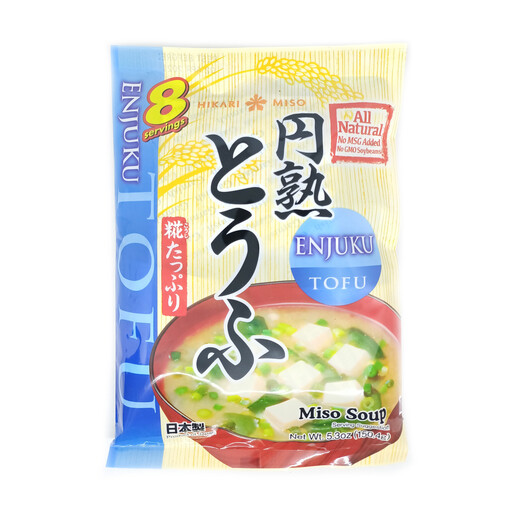
Why This Fits Their Persona: This eight-piece pack suits Japanese cuisine enthusiasts and households wanting a more regular supply of tofu miso soup for meals at home.
The pack count is stated as eight pieces, while the ingredients identify tofu, seaweed and spring onion separately. It also clearly lists soybeans and fish, preventing an assumption that tofu flavour means vegetarian.
Separate miso paste and garnish components provide tofu and seaweed pieces. The unopened product can be stored in a cool, dry place.
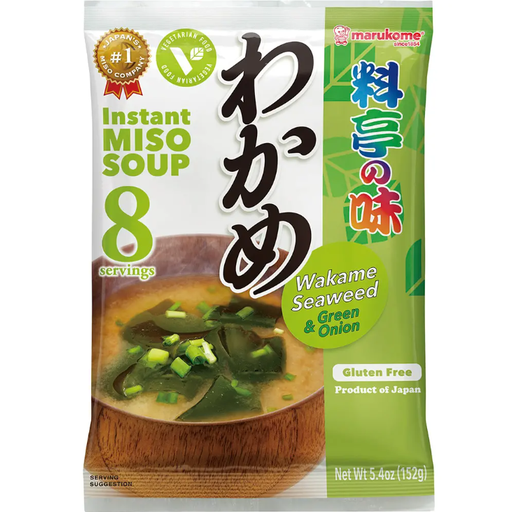
Why This Fits Their Persona: The eight-serving format is useful for vegetarian households, meal planners and anyone who wants a Japanese soup sachet ready for repeated breakfasts or side dishes.
The supplied description identifies the flavour base as kelp and shiitake rather than fish stock, while the allergen information still highlights soybeans and possible gluten or sulphite traces.
Eight servings combine miso soup with fried tofu, wakame seaweed and spring onion. Preparation requires approximately 160ml of boiling water per serving.
You can also add fresh spring onion, tofu cubes, mushrooms or extra wakame at home. This changes the portion and texture, but it does not change the product’s stated ingredients or allergen status.
We have compiled a complete, real-time list of products that fully satisfy these strict selection criteria and UK safety regulations.
Follow the individual packet instructions. The products in this guide specify approximately 160ml, 180ml, 200ml or 250ml, depending on the serving. Start with the stated amount and adjust carefully if you prefer a lighter taste.
Some varieties do. Bonito, katsuobushi and sardine extracts appear in several products, including some tofu flavours. If you are vegetarian, vegan or allergic to fish, check the ingredients and allergen statement on the specific pack before preparation.
Unopened sachets should generally be kept in a cool, dry place away from sunlight and moisture, with the best-before date checked on the packaging. Once an outer pack or individual sachet is opened, follow its storage instructions and use the contents promptly. Miso soup is intended to be prepared with hot water rather than eaten dry.