
24/7 Customer Support

Free returns

Same-day & Next-day Delivery

Quality Guaranteed

Unlock Your Welcome Offers: FREE Delivery | Up to 80% OFF | Free 30-day JoyPlus trial
Download the APP
Finding a meal that is quick, comforting and genuinely satisfying can be a challenge amidst a busy schedule. For those who appreciate the subtle, nourishing flavours of Japanese cuisine, a warm bowl of miso soup is often the perfect solution. But making it from scratch isn't always practical. That's where high-quality instant miso soup comes in, offering an authentic taste experience in minutes.
As a Joybuy Product Recommendation Officer, my role is to help you navigate the growing market of miso soup packets. This guide is designed to provide clear, practical advice, helping you choose a product that fits your taste, dietary needs and lifestyle, without the marketing fluff.
With so many options available, knowing what to look for can make all the difference. Here are a few key points to consider when selecting your next quick miso soup.
The heart of any Japanese miso soup is the miso paste itself. The type of miso used will define the soup's core flavour profile.
Many traditional miso soup recipes use dashi, a stock that often contains bonito (fish flakes). If you follow a specific diet, it's important to check the ingredients list.
Instant miso soup generally comes in two formats: a dehydrated powder or a paste. Paste-based versions often provide a richer, more authentic texture and flavour that is closer to freshly made soup. The included garnishes, such as tofu, wakame seaweed and spring onions, also contribute significantly to the overall experience of an authentic miso soup.
Here are our recommendations for instant miso soup, selected to suit a range of preferences and dietary needs.
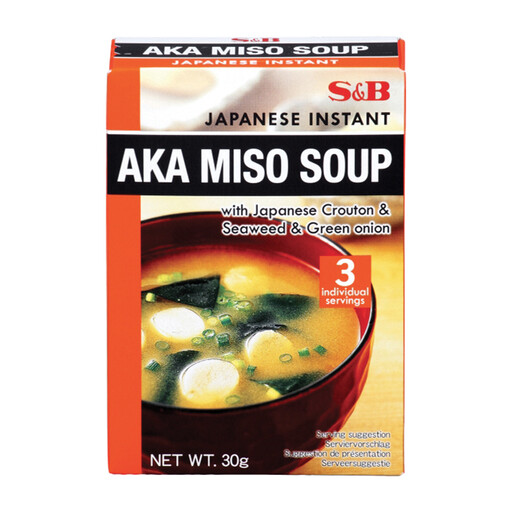
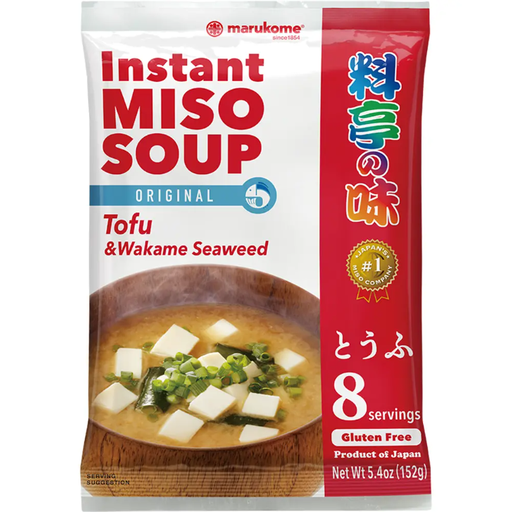
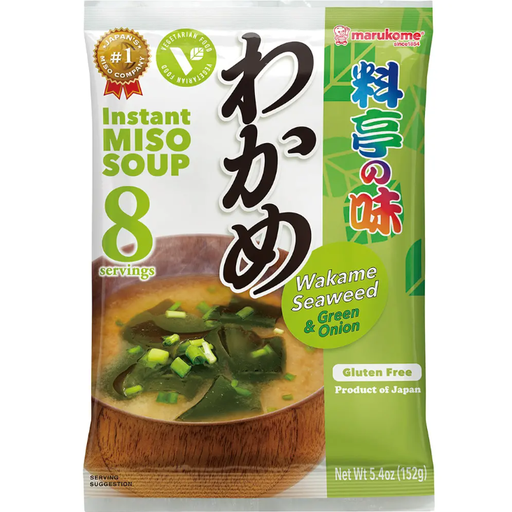
If our top recommendations aren't quite what you're looking for, or if you'd like to explore different flavours and brands, there are many other choices available.
? Explore our full range of Japanese soup here
1. Is instant miso soup a healthy choice? Instant miso soup is typically low in calories and fat, making it a light and warming meal or snack. As a fermented food, miso contains beneficial bacteria. However, it's worth noting that many instant varieties can be high in sodium. If you are monitoring your salt intake, it's always a good idea to check the nutritional information on the package.
2. How can I enhance the flavour of instant miso soup? Making your quick miso soup even more satisfying is simple. Consider adding a few cubes of fresh silken tofu, a sprinkle of chopped spring onions, a handful of spinach or a few slices of shiitake mushroom before you add the hot water. A dash of sesame oil at the end can also add a lovely aroma and richness.
3. What is the main difference between red (aka) and white (shiro) miso? The primary difference lies in the fermentation time and ingredients. Red miso is fermented longer, often with a higher proportion of soybeans, giving it a stronger, saltier and more umami-rich flavour. White miso has a shorter fermentation period and a higher rice content, which results in a milder, sweeter and less salty taste. Your choice depends entirely on your personal preference for flavour intensity.