
24/7 Customer Support

Free returns

Same-day & Next-day Delivery

Quality Guaranteed

Unlock Your Welcome Offers: FREE Delivery | Up to 80% OFF | Free 30-day JoyPlus trial
Download the APP
A warm, savoury bowl of miso soup is a comforting classic, whether as a light lunch, a starter or a nourishing side dish. The convenience of instant miso soup has made it a staple in many UK kitchens. However, the journey from the supermarket shelf to a satisfying bowl can be fraught with disappointment. Not all sachets are created equal, and marketing claims can often be misleading.
As a Joybuy Product Recommendation Officer, my role is to help you navigate the options and find a product that delivers on its promise. Before you buy, be aware of these common pitfalls:
To avoid these issues, focus on a few key parameters on the packaging. A quick check of the ingredient list can tell you everything you need to know about the quality and flavour profile you can expect.
The heart of any miso soup is, of course, the miso paste itself. The type of miso dictates the core flavour:
Equally important is the dashi (broth). For a traditional, savoury flavour, look for a dashi made with bonito (fish) or kelp. For a vegetarian miso soup, the dashi should be explicitly made from kombu (kelp) and shiitake mushrooms, which provide a clean, plant-based umami.
Miso soup sachets generally come in two forms: a dehydrated powder or a wet paste.
For a truly quick miso soup, both are excellent options, but your preference for flavour depth versus ultimate convenience may guide your choice.
The most common garnishes are tofu miso soup and wakame miso soup. When looking at the product, consider that freeze-dried or well-dehydrated ingredients tend to rehydrate better, retaining a more pleasant texture. Brands that specialise in Japanese foods, such as Marukome miso soup, often pay closer attention to the quality of these additions.
Based on these practical criteria, here are a few recommendations matched to different needs and preferences.
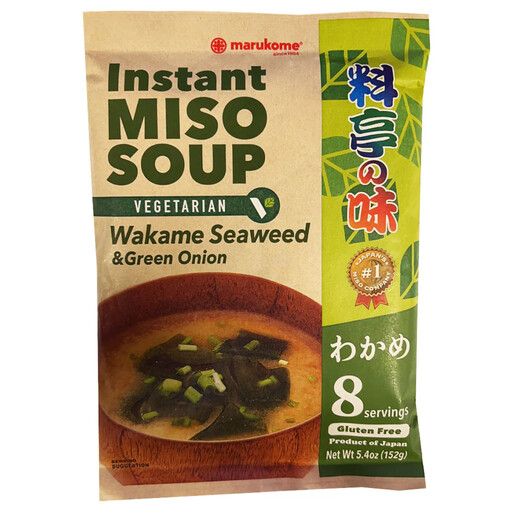
Why This Fits Their Persona: Ideal for vegetarians or anyone seeking a plant-based diet without compromising on flavour. It provides a rich umami taste that is often hard to find in non-fish-based broths, making it a reliable choice for a quick, wholesome meal.
It directly counters the "hidden dashi" pitfall. The ingredients clearly state the dashi is derived from kelp and shiitake mushrooms, ensuring it is 100% free from fish products.
Features a balanced, savoury broth from natural extracts, not just salt. The included wakame seaweed rehydrates well, adding a pleasant, mild flavour and texture.
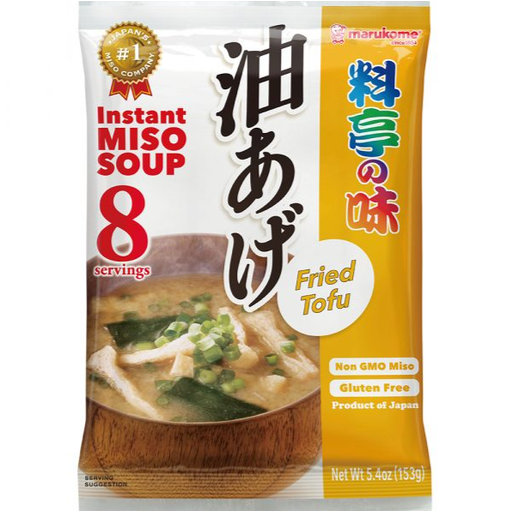
Why This Fits Their Persona: For those who want a taste that is as close to a Japanese restaurant as possible. The "Ryoutei No Aji" name translates to "restaurant-quality flavour," and it delivers a deep, complex broth perfect for a discerning palate.
This soup sidesteps the "one-dimensional flavour" trap by using a traditional dashi base with bonito extract powder, creating a layered and authentically savoury taste profile.
Delivers a rich, profound umami flavour. The freeze-dried fried tofu garnish rehydrates well, adding a satisfying texture that soaks up the delicious broth.
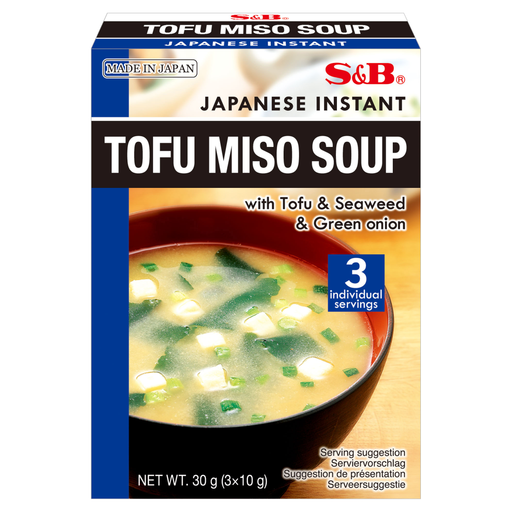
Why This Fits Their Persona: Perfect for a quick, no-fuss lunch at the desk or a simple snack. The single-serving powdered sachet is incredibly convenient—just add hot water to a mug for an instant, warming meal without any mess or preparation.
This product avoids the "garnish gamble." The dehydrated tofu and green onion are designed for quick rehydration, providing a pleasant texture that complements the soup rather than detracting from it.
Ultimate convenience with its single-serving format. The balanced miso seasoning with katsuobushi (fish) extract provides a classic, satisfying flavour in under a minute.
We have compiled a complete, real-time list of products that fully satisfy these strict selection criteria and UK safety regulations.
Instant miso soup can be a part of a balanced diet. It is typically low in calories and fat. However, it is important to be mindful of the sodium content, which can be high. Check the nutritional information on the packaging and consume in moderation. Opting for versions with minimal additives and recognisable ingredients is always a good approach.
While great on its own, you can easily enhance your quick miso soup. Consider adding a few cubes of fresh silken tofu, a sprinkle of chopped spring onions, a dash of sesame oil or even some leftover cooked vegetables. These simple additions can elevate the flavour and make it a more substantial meal.
The difference lies in the fermentation time and ingredients of the miso paste. White (shiro) miso is fermented for a shorter time and has a mild, slightly sweet taste. Red (aka) miso is fermented longer, giving it a much deeper, saltier and more robust flavour. If you are new to miso, starting with a white or mixed (awase) miso is often recommended.