
24/7 Customer Support

Free returns

Same-day & Next-day Delivery

Quality Guaranteed

Unlock Your Welcome Offers: FREE Delivery | Up to 80% OFF | Free 30-day JoyPlus trial
Download the APP
Instant noodles are useful for student kitchens, packed lunches, late shifts and quick family snacks. However, the cheapest-looking packet is not always the most suitable choice. Pack size, preparation method, spice level and allergen information can all affect whether a product works for your routine.
This guide explains what to check before buying instant noodles in the UK, followed by practical recommendations for different shopping needs.
A large outer package may contain five individual portions, while some listings use wording such as “packs” inconsistently. Always check the net quantity, the number of individual sachets and the weight per serving.
For example, a 120g × 5 Korean instant noodles multipack provides five portions totalling 600g. By contrast, a 60g individual pack of Asian instant noodles may be more appropriate for occasional snacks or trying a new flavour without committing to a larger quantity.
Some ramen noodles are designed for a broth, while others are stir-fry noodles or brothless noodles. A product such as Shin Ramyun Toomba requires the noodles to be cooked, drained and mixed with seasoning powder and paste. Paldo Bibimmen also uses a drained, sauce-coated preparation rather than a soup base.
Cup noodles and noodle pots generally require hot water, but packet noodles commonly need a saucepan and a stated volume of boiling water. Check the cooking instructions before buying if you live in student accommodation or have limited kitchen equipment.
Marketing language can describe a flavour style, but it does not replace the ingredient list. Korean instant noodles, Thai noodles and Filipino noodles may contain different allergens, seasonings and levels of salt.
Check the packaging for allergens in bold, particularly wheat, soya, sesame, crustaceans, egg, milk, mustard and celery. Nutrition panels also vary in whether values are shown per 100g, per portion or as prepared. Use the serving-size information when comparing products.
Most quick noodle meals take between three and five minutes once the water is boiling:
A kettle may be sufficient for some cup noodles, but hob preparation gives you more control over cooking and is usually required for standard packet noodles.
A 60g pack is typically suited to a light snack, while 83g–100g packs are convenient for individual meals. Larger 120g–137g portions can be more filling but may also contain more calories, fat or salt per prepared serving.
For regular household use, instant noodle multipacks can reduce the need for repeated shopping trips. Compare the total weight and number of portions rather than judging value from the outer pack size alone.
Choose the style that matches how you plan to eat the noodles:
Spice descriptions are not standardised, so start with part of a chilli sachet if you are unsure. You can add vegetables, an egg or cooked meat, but these additions change the final nutrition and allergen profile.
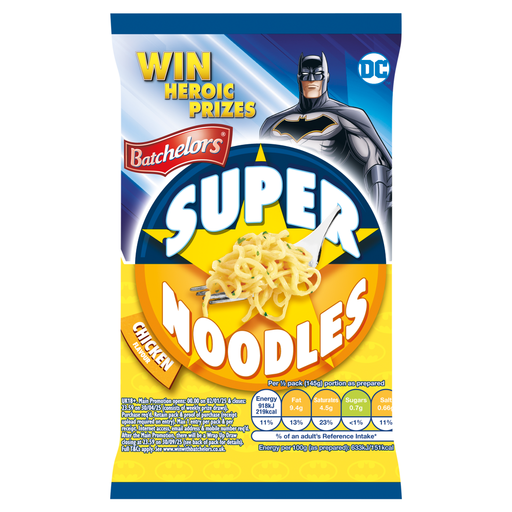
Why This Fits Their Persona: A familiar UK cupboard option for first-time buyers, students and anyone wanting a straightforward chicken-flavoured snack.
The 90g quantity and single-pot, 300ml preparation instructions make the serving and cooking requirements clear.
Ready in approximately four minutes; can be served alone or expanded with vegetables or chicken.

Why This Fits Their Persona: Suitable for Korean food enthusiasts who want thick noodles, a creamy spicy sauce and five individual servings for planned meals.
The listing clearly states that this is a stir-fry style noodle, not a soup, with separate powder and paste sachets.
Five 137g servings; thick noodles and a sauce-based preparation for a different texture from soup ramen.

Why This Fits Their Persona: Designed for shoppers specifically seeking a very spicy Korean-style ramen with a creamy carbonara flavour profile.
The product description identifies it as extremely spicy, helping buyers avoid mistaking the creamy flavour for a mild option.
Five individual packs; chewy noodles with separate liquid sauce and soup powder.
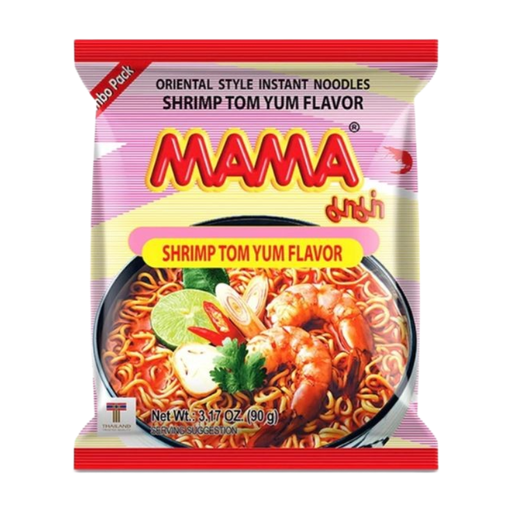
Why This Fits Their Persona: A practical choice for UK shoppers who want a Thai-style hot-and-sour noodle meal in a single 90g serving.
The ingredient information identifies shrimp and wheat allergens, while the instructions specify 350–400ml of boiling water and three minutes of cooking.
Thai-inspired shrimp Tom Yum flavour; separate chilli paste may be included for adjustable heat.
We have compiled a complete, real-time list of products that fully satisfy these strict selection criteria and UK safety regulations.
Read the packet before cooking, particularly when changing from soup ramen to stir-fry noodles. Use the stated water volume and cooking time, then serve immediately. Boiling water and cooked noodles can cause burns, so take care when handling pots, cups and noodle containers.
Keep unopened instant noodles in a cool, dry place away from direct sunlight and moisture. Do not rely only on a calendar-based shelf-life assumption: check the best-before date printed on the packaging, especially when buying multipacks for long-term storage.
They can be convenient for a snack or quick meal, but recipes differ in portion size and nutrition. Adding vegetables, an egg or another protein can make the meal more substantial, although you should still check the finished dish’s ingredients and salt content.
The noodle packet is only part of the cost. Allow for water, electricity or gas and any toppings. Three-minute products may reduce cooking time, while multipacks can be useful when you regularly eat noodles. Compare the price per portion rather than the headline pack price.
They carry a best-before date rather than an unlimited shelf life. Store them as directed and inspect the packaging before use. Discard any pack that is damaged, damp, leaking or past its stated date.