Joybuy Insights

Instant Noodles Buyers Guide: How to Find Real Flavour and Avoid Duds

From a quick lunch at your desk to a comforting late-night snack, instant noodles are a staple in many UK cupboards. But the sheer variety can be overwhelming. The aisle is filled with everything from fiery Korean noodles to classic pot noodles and not all are created equal. Navigating the marketing claims to find a genuinely satisfying meal can feel like a lottery.

As a Product Recommendation Officer at Joybuy, I see where shoppers often go wrong. Many are lured in by flashy packaging only to be let down by bland flavours or misleading descriptions. Before you stock up, let's look at the common pitfalls to avoid.

The 3 Traps to Avoid When Buying Instant Noodles

  1. The "Authentic Flavour" Fa?ade: Many brands claim to offer an "authentic" taste of Japan, Korea or Nigeria, but deliver a one-dimensional, salty broth from a single powder sachet. Genuinely flavourful noodles often come with multiple sachets, such as a seasoning oil, a thick sauce paste or dried garnishes, which create a much richer and more complex taste profile.
  2. The Vague "Spicy" Label: For spice lovers, there's nothing more disappointing than a "spicy" ramen that barely registers. Conversely, those with a milder palate can be caught off guard by extreme heat. Without a clear indicator, the "spicy" label is often a gamble.
  3. The "Just Add Water" Myth: While true for most cup noodles, many packet noodles, especially those promising a richer broth or chewier texture, require boiling on a hob. This isn't always made clear on the front of the pack, defeating the object if you're looking for a simple meal you can make with just a kettle at work.

How to Choose: The Core Factors That Matter

To ensure you get what you're paying for, focus on these three practical details instead of the marketing hype.

1. Noodle Type and Preparation

The noodle itself is the foundation of your meal. The two main types are:

  • Fried Noodles: These are the most common. They are flash-fried during production, which dehydrates them and gives them a long shelf life. They cook very quickly and have a classic, springy texture. Most Indomie and Maggi masala noodles use this type.
  • Air-Dried or Non-Fried Noodles: These are becoming more popular. They are dried with hot air, resulting in a lower fat content. They often have a firmer, chewier texture, closer to fresh restaurant ramen, but may require a slightly longer cooking time on the hob.

Also, consider the noodle's base ingredient. Most are wheat-based, but options like a Vietnamese pho bowl use delicate rice noodles, which are naturally gluten-free and offer a lighter, softer texture.

2. Seasoning Complexity

The secret to a great instant noodle is in the seasoning. Look at what's included:

  • Single Sachet: Usually a dry powder. This is typical for basic, affordable options. The flavour can be good, but may lack depth.
  • Multiple Sachets: This is a sign of a more premium or authentic product. You might find a liquid soup base, a flavoured oil (like sesame, chilli or fried onion), a thick sauce for 'dry' noodles and a packet of dehydrated vegetables or other garnishes. This layering of seasonings is what creates a truly satisfying and multi-dimensional flavour, common in authentic Korean noodles and Japanese ramen cup varieties.

3. Flavour Profile and Origin

The country of origin is a strong clue to the flavour you can expect.

  • Korean: Often features a bold, spicy and slightly sweet flavour profile, typically using gochujang (chilli paste). Spicy ramen challenges are a popular part of this category.
  • Nigerian/Indonesian: Known for savoury and aromatic flavours. Indomie, for example, is famous for its fried noodle style with sweet soy sauce and fried onion oil.
  • Indian: Characterised by a blend of roasted spices. Maggi masala noodles are a prime example, with a signature taste derived from turmeric, cumin and coriander.
  • Vietnamese: Tends to be lighter and more aromatic, with broths infused with herbs like star anise and cinnamon, as found in a classic pho.

Our Recommended Product Picks

Based on these practical criteria, here are a few recommendations matched to different needs and preferences.

MATCH FOR: The Spice Seeker
Samyang Samyang 2x Spicy Hot Chicken Flavour Ramen 70g

Samyang 2x Spicy Hot Chicken Flavour Ramen 70g

Why This Fits Their Persona: This is for the diner who is actively seeking a genuine heat challenge. The Samyang Buldak series is globally recognised for its intense spice, and this "2x Spicy" version is a benchmark for heat lovers in the UK.

How It Avoids the Trap

It completely avoids the "vague spicy" trap by delivering exactly what it promises: a double dose of intense, fiery flavour. The heat is complex and savoury, not just a flat, burning sensation.

Key Advantage & Pros

Features an unmistakable and potent heat level. The separate liquid sauce sachet ensures a rich, coating consistency and a deep, savoury chicken flavour beneath the spice.
MATCH FOR: The Authentic Flavour Seeker
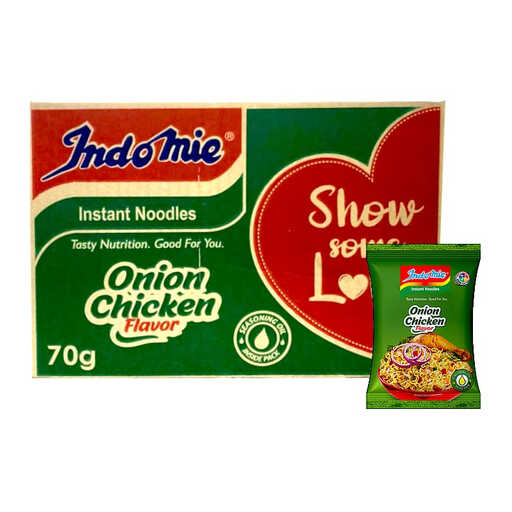
Indomie (Nigerian) Onion Chicken Instant Noodles 70g x 40 Packs

Indomie (Nigerian) Onion Chicken Instant Noodles 70g x 40 Packs

Why This Fits Their Persona: Ideal for anyone seeking a specific, beloved international flavour. This is a household staple in Nigeria, and this bulk pack is perfect for families or individuals from the diaspora community wanting a taste of home or foodies exploring West African flavours.

How It Avoids the Trap

It sidesteps the "authentic flavour" fa?ade by including a separate sachet of seasoning oil infused with fresh, fried onions. This provides an aromatic depth that a simple powder sachet cannot replicate.

Key Advantage & Pros

Delivers a distinctive and deeply aromatic onion and chicken flavour. The 40-pack carton offers great value for those looking to buy bulk instant noodles.
MATCH FOR: The Quick & Easy Luncher
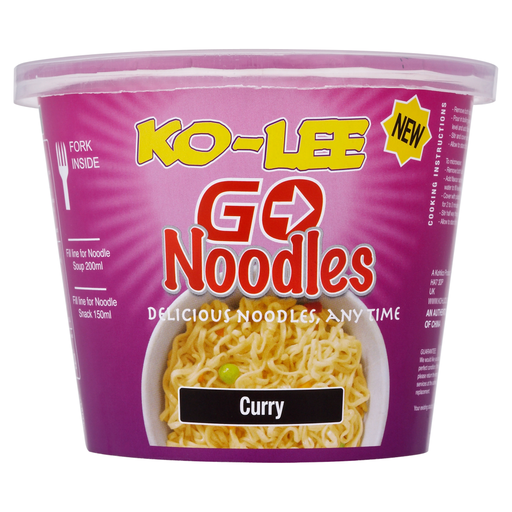
Ko-Lee Cup Noodle Curry 70g

Ko-Lee Cup Noodle Curry 70g

Why This Fits Their Persona: This is for the student, busy professional or anyone needing a true grab-and-go meal. It requires no extra bowls or utensils, making it one of the most convenient quick lunch meals available.

How It Avoids the Trap

This is a genuine "just add water" cup noodle, avoiding the pitfall of packet noodles that secretly require a hob. It delivers on the promise of ultimate convenience, ready in 3 minutes.

Key Advantage & Pros

A fork is included inside the cup, meaning you need nothing but boiling water. The mild, aromatic curry flavour is comforting and widely appealing.

Looking for More Options?

We have compiled a complete, real-time list of products that fully satisfy these strict selection criteria and UK safety regulations.

Frequently Asked Questions

1. How can I make instant noodles a more balanced meal?

While convenient, most instant noodles are best as a base. To make them more substantial, consider adding a source of protein like a boiled egg, leftover cooked chicken or some tofu. Tossing in some fresh or frozen vegetables like spinach, sweetcorn or spring onions is also an easy way to add nutrients and texture.

2. What is the difference between ramen, pho and other instant noodles?

The main differences lie in the noodle type and broth flavour.

  • Ramen: Typically refers to Japanese-style wheat noodles, often served in a rich, savoury broth (like miso, shoyu or tonkotsu). Instant ramen aims to replicate these deep flavours.
  • Pho: This is a Vietnamese noodle soup featuring flat rice noodles. The broth is characteristically lighter and more aromatic, infused with spices like star anise, cinnamon and cloves.
  • Other Instant Noodles: This is a broad category that includes everything from Indian masala-spiced noodles to Nigerian pepper soup and Indonesian-style fried noodles (mie goreng), each with its own unique noodle texture and flavour profile.

3. How should I store a large carton of instant noodles?

If you buy bulk instant noodles, proper storage is key to maintaining freshness. Keep the main carton in a cool, dry place away from direct sunlight and any strong odours, as the noodles can absorb them. A pantry or kitchen cupboard is ideal. Ensure the individual packets remain sealed until you are ready to use them. There is no need for refrigeration.