
24/7 Customer Support

Free returns

Same-day & Next-day Delivery

Quality Guaranteed

Unlock Your Welcome Offers: FREE Delivery | Up to 80% OFF | Free 30-day JoyPlus trial
Download the APP
For students cramming for exams, busy professionals squeezing in a lunch break or parents needing a quick fix for dinner, the appeal of a fast, warm meal is undeniable. The world of instant noodles and other quick meals promises convenience, but the reality can often be a let-down. Navigating the sheer variety can be overwhelming, and it's easy to fall for marketing that promises more than it delivers.
As the Joybuy Product Recommendation Officer, my role is to help you see past the flashy packaging. Many shoppers find themselves disappointed by a few common issues. Let's look at the main pitfalls to avoid so you can stock your cupboards with genuinely satisfying and convenient meal solutions.
To ensure you get what you're paying for, focus on a few key product characteristics. These details, usually found on the packaging, are far more telling than the marketing slogans.
The noodle itself is the foundation of your meal. The type and its required preparation will dictate both the final texture and the level of convenience.
The way flavour is added is crucial. Look beyond the name and check what's actually included in the packet.
To help you choose, we've matched a few standout options to different needs and lifestyles, highlighting how they overcome the common pitfalls.
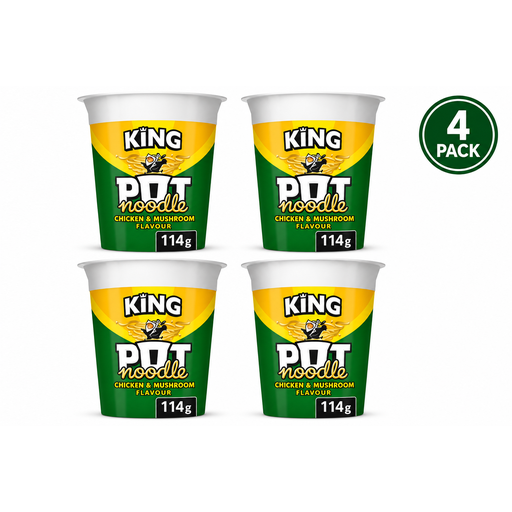
Why This Fits Their Persona: This is the quintessential easy student meal. It requires only a kettle and is ready in four minutes, making it perfect for halls of residence or late-night study sessions. The king-size portion provides a more filling meal than standard pots.
It sidesteps the "flavour fa?ade" by including a separate soy sauce sachet. This allows for a small degree of flavour customisation and adds a layer of savoury depth that a single powder sachet often lacks.
Unbeatable convenience with minimal washing up. The pot and lid are recyclable, adding a small element of environmental consideration.
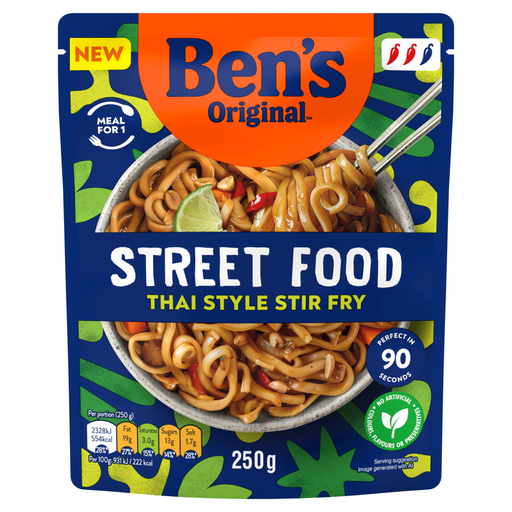
Why This Fits Their Persona: This is an ideal quick lunch idea for the office. It's a complete microwave meal that's ready in 90 seconds, offering a more sophisticated flavour profile than typical instant noodles without requiring any real cooking.
It directly counters the "flavour fa?ade" and "mushy noodle" problems. The complete sauce pouch contains actual vegetables, peanuts and a balanced Thai-style flavour. The noodles are cooked and hold their texture well after microwaving.
Delivers a restaurant-inspired, multi-textured meal in under two minutes. It's a self-contained, single-portion meal that requires no additional ingredients.
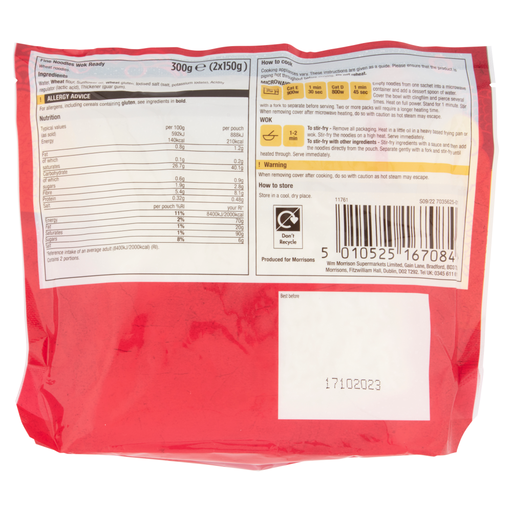
Why This Fits Their Persona: For those who enjoy cooking but are short on time, these noodles provide the perfect shortcut. They serve as a high-quality, versatile base for a homemade stir-fry, soup or noodle salad, allowing for complete creative control over flavours and ingredients.
It completely avoids the "instant illusion" trap. By eliminating the need to boil and drain, it genuinely speeds up the cooking process for a proper meal, saving time and reducing washing up without compromising on the final dish's quality.
Maximum versatility. These noodles are a blank canvas, ready in 1-2 minutes in a wok, allowing you to create a fresh, customised meal far quicker than starting with dried noodles.
We have compiled a complete, real-time list of products that fully satisfy these strict selection criteria and UK safety regulations.
A simple way to improve the nutritional profile of a basic packet of instant noodles is to add your own fresh ingredients. Consider adding a soft-boiled egg, some leftover cooked chicken or a handful of frozen peas and sweetcorn. You can also try using only half of the powdered seasoning sachet to reduce your salt intake, supplementing the flavour with a dash of soy sauce or a sprinkle of herbs.
Yes, most dried noodle blocks can be cooked easily in a microwave. Break the noodle block into a large, microwave-safe bowl, cover with water and cook on high for 3-4 minutes, or until the noodles are tender. Carefully remove the hot bowl, drain any excess water if you wish, and stir in the flavour sachet.
The main difference lies in the noodle processing and preparation. Pot noodles contain noodles that have been cooked and dried, designed to rehydrate quickly in hot water. Packet noodles are typically blocks of flash-fried or air-dried noodles that need to be boiled or simmered to cook. As a result, packet noodles often have a firmer, chewier texture.