
24/7 Customer Support

Free returns

Same-day & Next-day Delivery

Quality Guaranteed

Unlock Your Welcome Offers: FREE Delivery | Up to 80% OFF | Free 30-day JoyPlus trial
Download the APP
Instant noodles can be a practical cupboard staple for students, office workers, busy households and anyone wanting a hot meal with minimal preparation. However, colourful packaging and phrases such as “authentic”, “king size” or “restaurant inspired” do not tell you everything you need to know.
Before buying instant noodles, check the serving size, preparation method, allergen information and nutritional panel. These details help you compare Japanese instant ramen, instant noodle cups, instant noodle bowls and quick noodle meals without paying for features that may not suit your needs.
A large-looking cup does not always mean a substantial serving. Check the net weight and, where available, the prepared nutrition per pot. A 63g Japanese ramen bowl may suit a light lunch or snack, while a 114g King Pot is designed for a larger appetite.
It is also worth checking whether the nutrition information is shown per 100g or per prepared serving. These figures are not interchangeable.
Flavour names such as tonkotsu ramen, chicken, shoyu ramen and miso ramen can contain ingredients from several animal sources. For example, some Japanese-style products include fish powder, bonito, fish sauce, chicken flavouring, milk or sesame.
Always read the ingredients and allergen statement rather than relying on the front of the pack. Products labelled as suitable for vegetarians or vegans should still be checked against your personal dietary requirements and the latest packaging.
Preparation times vary. Some instant noodle cups need around three minutes, while certain pot meals require four or five minutes with boiling water. The correct water level and standing time affect the final texture.
For workplace or student accommodation use, consider whether you have access to a kettle, a heatproof surface and enough space to handle a hot container safely.
Choose between:
For example, Pot Noodle products in the supplied range include 90g standard pots and 114g King Pots. ACECOOK Ippin options are available in 63g bowls and cups around 70–74g.
Wheat noodles are common in ramen and many British pot noodle products. Rice noodles offer a different, smoother texture and are used in Vietnamese-style bowls such as pho-inspired products.
If you are looking for rice noodles, check the ingredients carefully. Some products may still contain cereals containing gluten through seasoning or processing, even when the noodle itself is rice-based.
The main flavour styles have noticeably different profiles:
Under UK food labelling requirements, allergens must be emphasised in the ingredients list. Even so, read the full label if you have an allergy or intolerance, particularly when buying imported products.
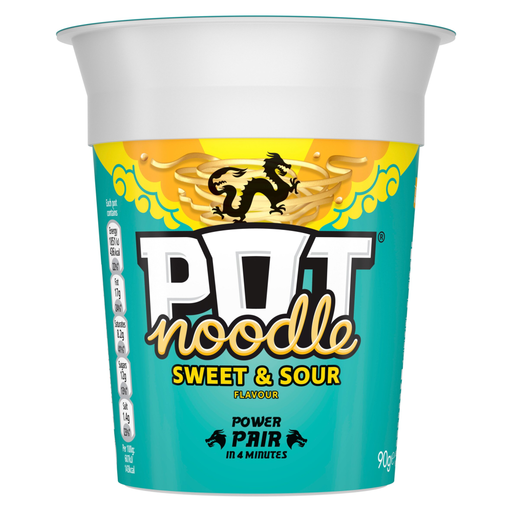
Why This Fits Their Persona: A familiar single-serve option for students, first-time buyers and quick lunches, with preparation requiring boiling water and around four minutes.
The 90g net quantity is clearly stated, helping shoppers distinguish a standard pot from a larger format. The product information also identifies wheat and soya allergens.
Vegetarian and vegan suitability is stated in the product details; supplied with a separate sweet and sour sauce sachet.
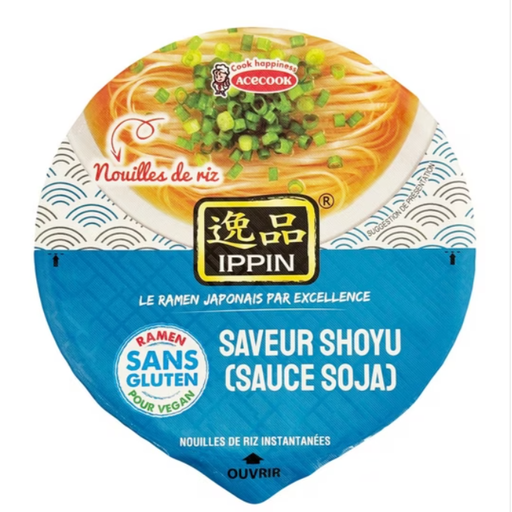
Why This Fits Their Persona: Suits Japanese food enthusiasts who want a compact bowl with straight noodles and a soy sauce-based shoyu broth for home or office use.
The 63g portion and preparation instructions are specified, while the allergen list identifies wheat, soya and fish from bonito.
Single-serving bowl format; shoyu seasoning includes soy sauce powder, bonito powder and yeast extract.
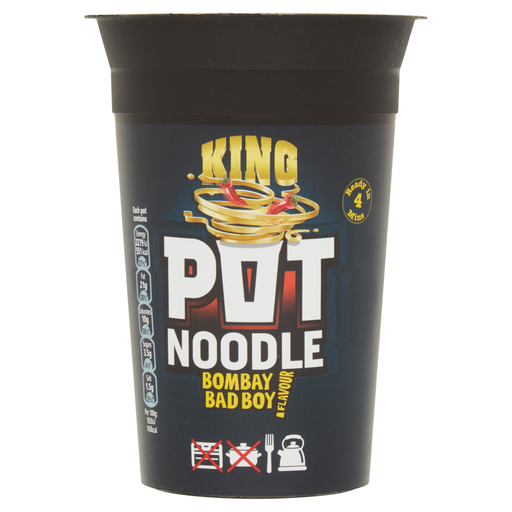
Why This Fits Their Persona: The 114g King Pot format is designed for a larger snack or light meal, with a curry flavour and separate chilli sauce sachet.
The larger net quantity is stated clearly, and the chilli sauce can be added separately so users can adjust the heat.
Ready in approximately four minutes; suitable for vegetarians and supplied in a recyclable pot and lid format.
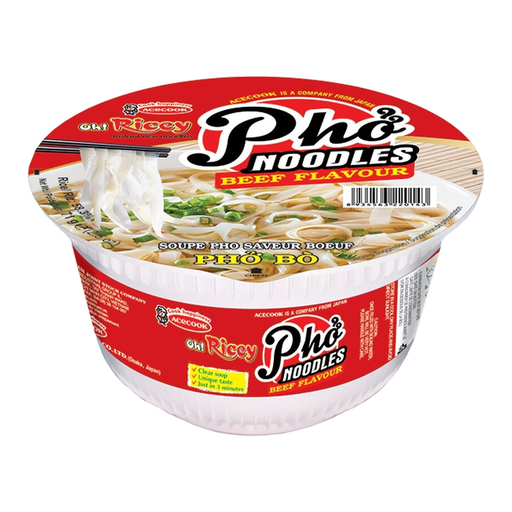
Why This Fits Their Persona: A practical choice for shoppers wanting Vietnamese-style pho flavours and rice noodles instead of a conventional wheat noodle pot.
The product description specifies rice noodles and a 71g bowl, while the allergen advice still flags cereals containing gluten, wheat and soya.
Includes dehydrated vegetables and beef flakes; preparation requires boiling water and approximately three to four minutes.
We have compiled a complete, real-time list of products that fully satisfy these strict selection criteria and UK safety regulations.
Some are, but suitability varies by flavour. Pot Noodle Sweet & Sour and selected Pot Noodle products are described as suitable for vegetarians and vegans. Japanese instant ramen may contain fish, chicken, milk, bonito or sesame, so read the complete ingredients and allergen information before buying.
Many instant noodle cups and bowls are designed for boiling-water preparation rather than microwave cooking. Follow the packaging instructions and do not microwave a container unless the manufacturer specifically states that it is suitable.
Most products in this selection take between three and five minutes. Pot Noodle varieties generally require four minutes, while some ACECOOK and rice noodle bowls take approximately three minutes. Preparation time can vary, so use the instructions printed on the individual pack.