
24/7 Customer Support

Free returns

Same-day & Next-day Delivery

Quality Guaranteed

Unlock Your Welcome Offers: FREE Delivery | Up to 80% OFF | Free 30-day JoyPlus trial
Download the APP
Instant noodles can be a convenient lunch between lectures, a quick desk meal or a practical cupboard staple for busy households. However, packaging often makes similar products look interchangeable. The differences may be in the preparation method, seasoning format, serving size, allergen information and total cost per portion.
This guide explains what to check before buying instant noodles in the UK, from Asian instant noodles and ramen noodles to dry noodles, stir-fry noodles and bulk multipacks.
Not every noodle product is designed to be served in soup. Mi Goreng noodles, Pancit Canton and many stir-fry noodles are cooked, drained and mixed with seasoning. Adding the full flavour sachet to a bowl of water can produce a diluted or unbalanced result.
Check whether the pack says brothless, dry, stir-fry or drain before mixing. Products such as NISSIN UFO and Indomie Mi Goreng are intended for a coated, sauce-based finish rather than a traditional soup.
Words such as “hot”, “chilli” and “spicy” do not provide a consistent heat scale. Chilli may be balanced with garlic, sweet soy sauce, vinegar, kimchi or crispy onion, so two spicy instant noodles can taste very different.
Review the seasoning ingredients and preparation instructions. A product containing chilli powder, chilli paste or Sichuan pepper may offer a different experience from one with a lighter chilli seasoning. If you prefer control over the heat, choose noodles with separate sauce sachets so you can add them gradually.
A 60g or 74g single pack may suit a snack or light lunch, while a 117g bowl or 144g serving may be more substantial. Comparing only the packet price can also make bulk instant noodles appear cheaper than they are.
Calculate the cost per serving, check the total number of packs and consider storage space. A 5-pack may suit occasional use, whereas a 30- or 40-pack is more practical for an office, family cupboard or food-service setting.
Most dried instant noodles require boiling water and around two to five minutes of cooking, but the method varies. Some products require approximately 300–550ml of water, followed by draining. Others are prepared in a cup or bowl using hot water.
For reliable results:
Do not eat uncooked noodle cakes and take care when handling boiling water.
Many Asian instant noodles contain wheat, gluten and soya. Other possible allergens include sesame, fish, egg, milk, crustaceans, molluscs, mustard, celery, peanuts and sulphites.
For example, Lucky Me Pancit Canton Chilli includes wheat, soya, egg, milk, fish, crustaceans, molluscs, sulphites, sesame and coconut in its listed ingredients. NISSIN Soba Chilli lists wheat and soya, with possible traces of several other allergens.
Always read the product label before purchase, particularly if you have an allergy or are buying for someone else. Imported packaging and product information can vary, so check the current details supplied with the item.
Instant noodles can vary significantly in pack weight. Use the per serving information where available, while remembering that some nutrition panels are shown per 100g.
Salt, saturated fat and energy are especially useful comparison points. For instance, the supplied product information lists Indomie Mi Goreng Original at 4.0g salt per 100g, while NISSIN Soba Chilli lists 1.2g per 100g. These figures are not directly equivalent to a full serving unless the pack weight is also considered.
Adding eggs, vegetables or cooked meat can make a quick noodle meal more substantial, but these additions also change the overall nutrition and preparation time.
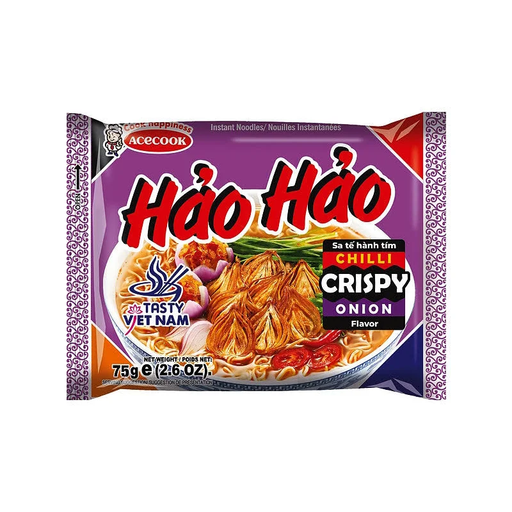
Why This Fits Their Persona: A single 74g pack offers a straightforward way to try Vietnamese-style spicy noodles without committing to a large multipack.
The instructions clearly explain both soup-style preparation and a drained dry-noodle option, helping first-time buyers choose the intended texture.
Includes chilli, onion powder and a crispy onion granule component; cooks in approximately three minutes after boiling.
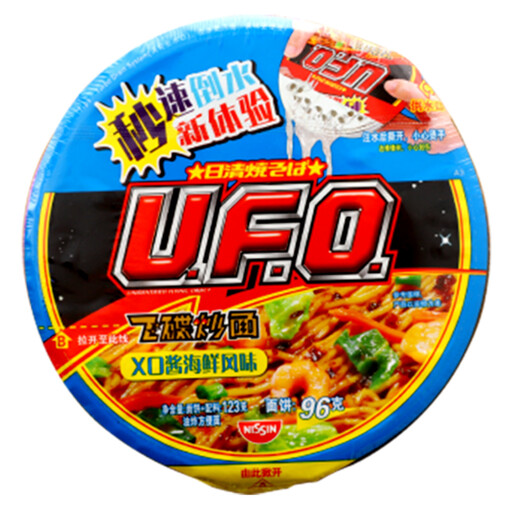
Why This Fits Their Persona: The all-in-one bowl format suits shoppers who value a more structured stir-fry noodle preparation at home or work.
Separate compartments identify the powder, oil, sweet soy sauce, chilli and fried onion components rather than hiding the preparation steps.
A 123g serving with a draining bowl format and multiple seasoning components for a layered, sauce-coated finish.
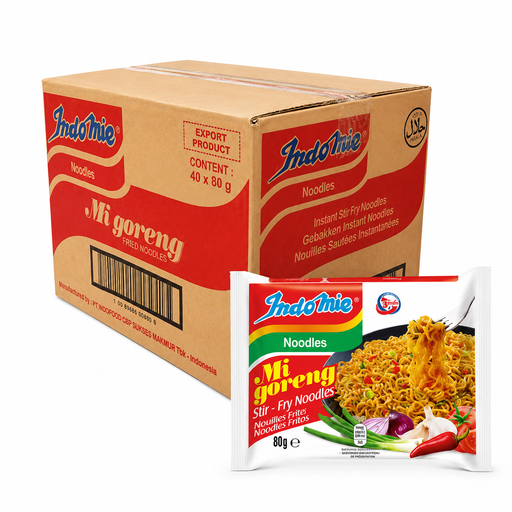
Why This Fits Their Persona: The 40-pack format is suited to shared homes, office kitchens, student accommodation and regular stock-up shopping.
The total quantity is stated as 40 individual packs, making it easier to compare cupboard capacity and cost per serving before ordering.
Each 80g portion uses separate seasoning components, including sweet soy sauce and fried shallots, for Indonesian-style dry noodles.
We have compiled a complete, real-time list of products that fully satisfy these strict selection criteria and UK safety regulations.
Yes, provided you have access to boiling water and a suitable bowl or cup. Bowl products and wok-style cups can reduce washing-up, while packet noodles may offer more control over portion size and toppings. Follow the preparation instructions and allow the noodles to become fully cooked.
Keep unopened packs in a cool, dry place away from direct sunlight and moisture. Do not use packaging that is torn, leaking or damaged. Check the best-before information on the current pack, particularly when buying bulk instant noodles, and rotate older packs forward in your cupboard.
Usually, you can add only part of the chilli or sauce sachet, provided the product instructions allow it. You can also mix in vegetables, an egg or other ingredients to change the balance of the dish. However, always check the allergen information on every seasoning component before adding toppings or substitutes.