
24/7 Customer Support

Free returns

Same-day & Next-day Delivery

Quality Guaranteed

Unlock Your Welcome Offers: FREE Delivery | Up to 80% OFF | Free 30-day JoyPlus trial
Download the APP
Instant noodles are convenient, affordable and easy to store, but choosing the right pack is not simply a matter of picking the most colourful packet. UK shoppers can easily pay for more servings than they need, underestimate spice levels or overlook allergens and preparation differences.
This guide explains the practical details to check before buying instant noodles, from portion size and cooking style to flavour, storage and multipack value. It also includes our top recommendations for students, busy households, spice enthusiasts and anyone stocking up on Korean noodles in the UK.
A 40-pack of instant ramen may appear economical, but it only offers good value if you will use the noodles before the best-before date and have suitable storage space. Compare the price per serving, not only the total box price. A five-pack may suit occasional lunches, while bulk instant noodles are more practical for families, offices, food businesses or frequent noodle eaters.
Terms such as “hot chicken”, “fire” or “spicy ramen” can indicate a significantly hotter product than a standard soup noodle. Some Korean ramen is soup-based, while stir-fried varieties require draining most of the cooking water before adding sauce.
For example, Samyang Buldak noodles are generally stir-fried rather than served as a full broth. Nongshim Shin Ramyun and kimchi ramen are typically prepared with soup and vegetable sachets. Checking the cooking method helps prevent a disappointing meal or an unsuitable purchase.
Many Asian instant noodles contain wheat, soya, sesame, milk, egg, celery or mustard. Recipes can also vary between imported and UK-distributed products, so always read the current packaging before eating, particularly if you have an allergy or intolerance.
Instant noodles are also commonly high in salt and may contain palm oil. They can fit into a varied diet, but adding vegetables, egg or another protein can make a quick noodle meal more substantial.
Individual servings in the products available here range from approximately 59g to 140g. Smaller packs can work for a light snack, while 120g to 140g Korean ramen portions are more suitable when you want a fuller meal.
Check both the weight per pack and the number of packs. Examples include:
Soup noodles usually require around 500ml to 550ml of boiling water and several minutes on the hob. Stir-fried noodles are cooked first, then drained and mixed with sauce. Cup formats are convenient for work lunches, but they may offer less flexibility than packet noodles when adding ingredients.
Plain noodles, such as IBUMIE Plain Instant Noodle, allow you to choose your own stock, sauce and toppings. This can be useful for families with different preferences or shoppers who want to create quick Asian-inspired meals rather than rely on a fixed seasoning sachet.
For a milder option, chicken flavour noodles or Otoki Jin Ramen Mild provide a gentler starting point. Sesame noodles offer a savoury, aromatic profile without the strong chilli focus of Korean spicy ramen.
For more heat, consider:
Review the ingredient list for flavourings, milk powders, beef or chicken ingredients if you follow a particular diet. “Vegetable” pieces do not necessarily mean the entire product is vegetarian.
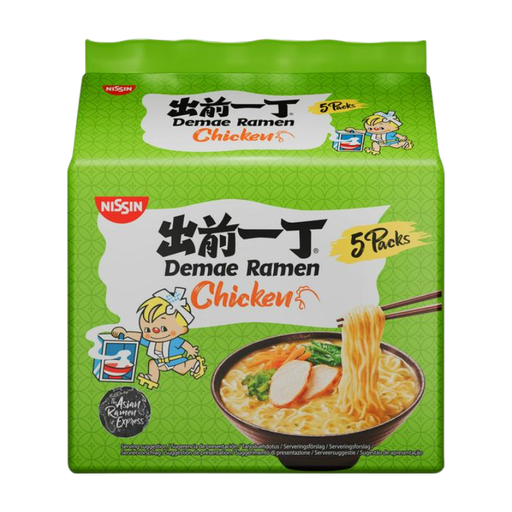
Why This Fits Their Persona: A five-pack gives students, first-time buyers and small households a manageable way to try convenient chicken flavour noodles without committing to a large box.
The pack size is clear, and the instructions specify 500ml of boiling water and three minutes of cooking.
Five individual 100g servings; chicken seasoning with a separate flavoured oil sachet.
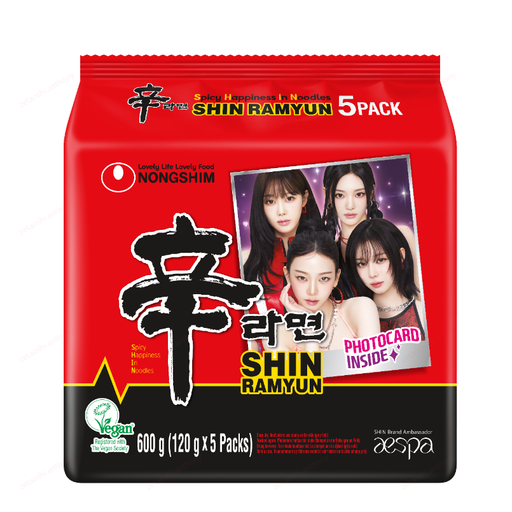
Why This Fits Their Persona: Suitable for Korean food enthusiasts wanting a substantial soup-style ramen with springy noodles, dried vegetables and a bold chilli seasoning.
The listing identifies the product as soup ramen and gives a four-to-five-minute preparation time, avoiding confusion with dry stir-fry noodles.
Five 120g servings; includes seasoning and vegetable sachets for a complete bowl-style preparation.

Why This Fits Their Persona: The 40-pack format is designed for shared homes, office kitchens, catering cupboards and customers who regularly buy Korean noodles in bulk.
The total quantity is stated as 4.8kg, making it easier to assess storage needs and compare cost per serving.
Forty individually packed 120g servings; four-to-five-minute hob preparation.
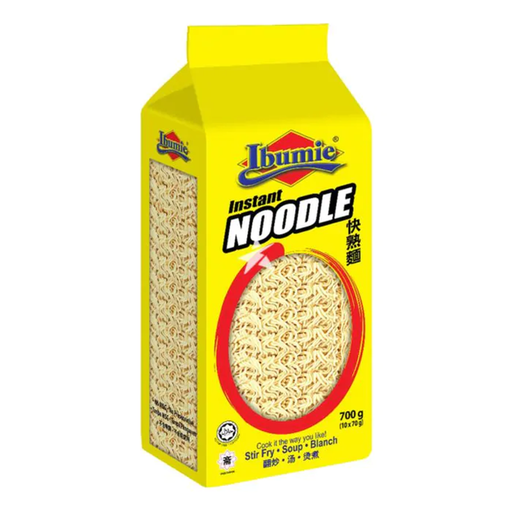
Why This Fits Their Persona: Useful for households, meal planners and cooks who want to add their own broth, stir-fry sauce, vegetables or protein.
There is no fixed seasoning sachet to limit flavour choices, and the ten-serving quantity is stated clearly.
Ten 70g servings; plain wheat noodles designed for soups, sauces and stir-fries.
For dry stir-fried noodles, Indomie Mi Goreng Original combines seasoning powder, sauce, oil and crispy fried onions in a five-pack. Otoki Jin Jjajang Ramen offers Korean-style black bean sauce, while Baixiang Homestyle Chicken Soup Noodles use separate soup and powder packets.
Shoppers seeking creamy spicy ramen can compare Samyang Buldak Hot Chicken Carbonara, Buldak Cheese and Nongshim Shin Ramyun Toomba. For a milder everyday option, Otoki Jin Ramen Mild comes in five 120g servings. Always check the label for current allergen information and preparation instructions.
We have compiled a complete, real-time list of products that fully satisfy these strict selection criteria and UK safety regulations.
Most packet noodles take between three and five minutes. Nissin Demae Ramen specifies three minutes, while Nongshim Shin Ramyun generally takes around four to five minutes. Cup noodles may only require boiling water and standing time. Follow the instructions on the individual pack.
Many packet and cup products can be prepared with a kettle, but packet noodles may still need a heatproof bowl and enough time for the noodles to soften. Stir-fried noodles often require draining, so a hob or suitable cooking equipment may be more convenient.
Keep unopened packs in a cool, dry place away from direct sunlight and moisture. Check the best-before date printed on the packaging. Once opened or prepared, consume promptly and do not rely on the original shelf-life date.