
24/7 Customer Support

Free returns

Same-day & Next-day Delivery

Quality Guaranteed

Unlock Your Welcome Offers: FREE Delivery | Up to 80% OFF | Free 30-day JoyPlus trial
Download the APP
From a quick student lunch to a comforting late-night meal, instant noodles are a staple in many UK cupboards. But the sheer variety can be overwhelming. The packaging promises an authentic taste of Asia, but too often, the reality is a bland, one-note flavour and a disappointing texture. If you've ever felt let down by a "Japanese ramen" that tasted of little more than salt, or wasted money on a bulk buy that ended up gathering dust, you're not alone.
As the Joybuy Product Recommendation Officer, my role is to help you navigate the crowded market. This guide will break down the common pitfalls and highlight the key factors to check, ensuring your next purchase of quick meals delivers on both flavour and value.
Navigating the world of instant noodles can feel like a gamble. Here are two of the most common pitfalls that lead to buyer's remorse:
To avoid these traps, focus on a few key product characteristics. Paying attention to these details will dramatically increase your chances of finding a satisfying and flavourful noodle experience.
The texture and taste of your meal are heavily influenced by how the noodles are made. This is a crucial detail that is often overlooked.
The secret to a rich, multi-dimensional flavour often lies in the number and type of seasoning sachets included.
Finally, check the recommended preparation method. Not all instant noodles are meant to be served in a broth.
Based on these criteria, we've matched a few standout options to different needs, helping you find a product that delivers on its promise.
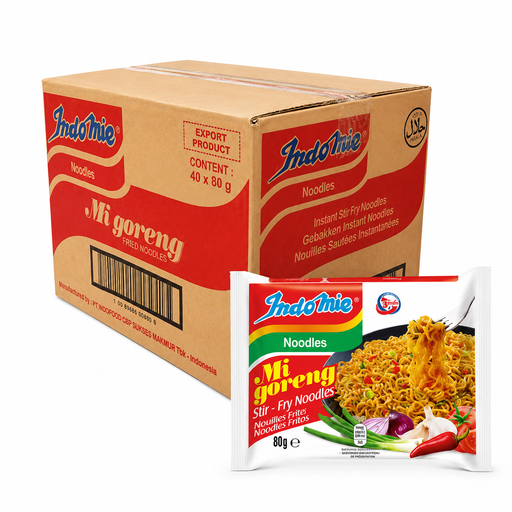
Why This Fits Their Persona: Ideal for students, busy professionals or families who need a reliable, cost-effective and delicious meal on hand. This bulk pack offers exceptional value without sacrificing the flavour that has made it a global favourite.
This avoids the "bulk-buy value trap" by being a tried-and-tested product with a consistently delicious flavour. You are stocking up on a known quantity, not gambling on an unknown brand.
Features multiple seasoning sachets (sweet soy sauce, seasoning oil, powder, fried onions) for a complex sweet and savoury flavour. It is a dry-style noodle, perfect for a quick stir-fry meal.
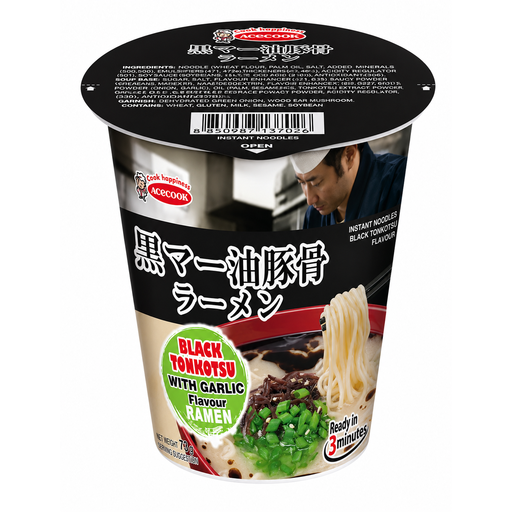
Why This Fits Their Persona: For those craving a genuine Japanese ramen experience without the fuss. The rich, garlic-infused tonkotsu broth offers a depth of flavour that goes far beyond standard instant noodles, all in a convenient cup format.
It directly counters the "authentic flavour disappointment" by providing a specific, sought-after profile (black tonkotsu) with multiple seasoning components, including a separate flavour oil and garnishes.
This is a soup-based **cup noodle** for ultimate convenience. The inclusion of roasted sesame, woodear mushrooms and spring onion provides added texture and authenticity.
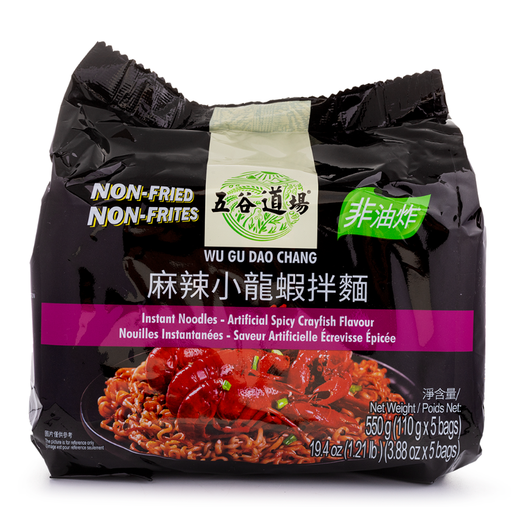
Why This Fits Their Persona: Perfect for adventurous eaters who crave a genuine, fiery kick. The "Mala" (spicy and numbing) crayfish flavour is a bold and modern profile straight from popular Chinese cuisine, offering a far more exciting experience than generic chilli noodles.
This product avoids flavour disappointment by delivering a very specific and complex spicy profile. The rich sauce packet, combined with sesame and seaweed, provides layers of taste and texture.
These are **non-fried noodles**, which provide a firm, smooth and chewy texture that holds up well to the rich sauce. It is a dry stir-fry noodle, ensuring the flavour is concentrated and impactful.
We have compiled a complete, real-time list of products that fully satisfy these strict selection criteria and UK safety regulations.
Elevating your instant noodles is simple. Add fresh ingredients like a soft-boiled egg, sliced spring onions, wilted spinach or some leftover cooked chicken or tofu. A dash of soy sauce, a drizzle of sesame oil or a spoonful of chilli crisp can also add a significant flavour boost.
Non-fried or air-dried noodles generally contain less fat and fewer calories than their deep-fried counterparts due to the manufacturing process. However, the overall nutritional value of the meal also depends on the sodium content of the seasoning packets and any extra ingredients you add. It is always a good practice to check the nutritional information on the packaging to make an informed choice.
Japanese ramen typically refers to noodles served in a rich, slow-simmered broth, with popular styles including tonkotsu (pork bone), shoyu (soy sauce) and miso. The term Asian noodles is much broader and covers a vast array of dishes. This includes dry stir-fried noodles like Indonesian mi goreng, spicy soupy Korean noodles often made with gochujang and countless other regional varieties, each with a unique noodle texture, flavour base and preparation method.