
24/7 Customer Support

Free returns

Same-day & Next-day Delivery

Quality Guaranteed

Unlock Your Welcome Offers: FREE Delivery | Up to 80% OFF | Free 30-day JoyPlus trial
Download the APP
A well-stocked pantry is a source of comfort, and for many of us in the UK, a reliable instant noodles multipack is a non-negotiable staple. It’s the answer to a quick lunch between meetings, a satisfying late-night study meal or a flavourful base for a more elaborate dish. Yet, the sheer variety can be overwhelming. Navigating a wall of colourful packaging, all promising authentic taste and convenience, often leads to disappointment.
As a Joybuy Product Recommendation Officer, my role is to help you see past the marketing jargon. Before you fill your basket, let’s look at the common pitfalls that can turn a promising purchase into a cupboard full of regret.
To ensure you get a satisfying meal every time, focus on these key characteristics. They will help you decode the packaging and find the perfect instant noodles multipack for your taste.
This is the most fundamental choice. Your preference will dictate the entire experience.
Understanding the general characteristics of noodles from different regions can guide your choice.
Mi Goreng style is a hallmark, often including sweet soy sauce, fried onion flakes and fragrant oils.Don't get caught out by a vague "hot" label. Look for more specific clues.
Instead of a generic list, we've matched some popular choices to the people we think will enjoy them most.
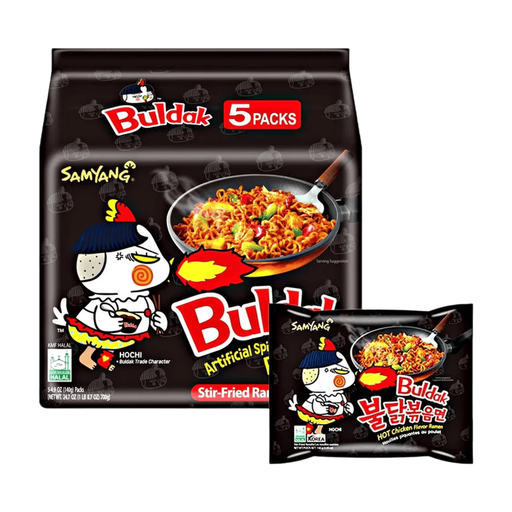
Why This Fits Their Persona: For the student or food enthusiast who actively seeks out intense heat and participates in spicy food challenges. This isn't just a meal; it's an experience known globally for its fiery kick.
It completely avoids the "vague spice scale" trap. The Samyang Buldak brand is a benchmark for extreme heat, delivering exactly the challenge it promises without ambiguity.
Unmistakable and consistent level of intense spiciness. The thick, chewy noodles are designed for a stir-fry preparation and hold their texture perfectly against the rich sauce.
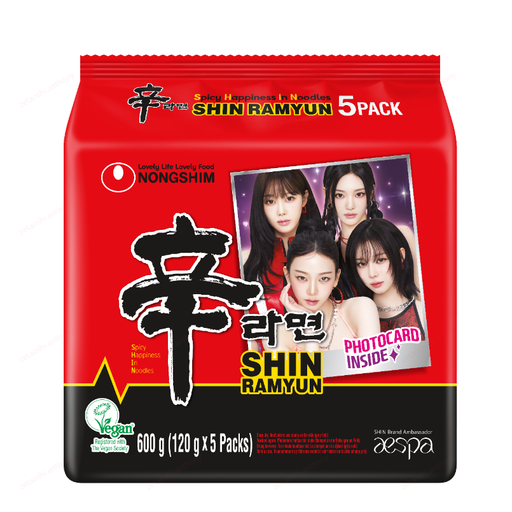
Why This Fits Their Persona: Perfect for young professionals and families looking for a reliable, flavourful and comforting meal. It's a globally recognised Korean ramen that serves as an excellent pantry staple for a quick and satisfying dinner.
This avoids the "authentic flavour mirage" by delivering a consistently rich and complex beef and mushroom broth that has become a benchmark for quality instant ramen worldwide.
Features a balanced spicy and savoury flavour profile that is deeply satisfying. The thick, chewy noodles maintain an excellent texture and don't become mushy.

Why This Fits Their Persona: Ideal for anyone who prefers a stir-fried noodle over a soupy one. It's a quick, satisfying and incredibly flavourful meal that's perfect for a fast lunch or a simple dinner base.
It sidesteps the "noodle texture disappointment" trap. These noodles are specifically designed to be drained and stir-fried, ensuring they remain firm and springy as they get coated in the delicious sauce.
A unique sweet, savoury and aromatic flavour profile from five separate seasoning sachets (oil, sweet soy, chilli, powder and fried onions) for a customisable and textured experience.
We have compiled a complete, real-time list of products that fully satisfy these strict selection criteria and UK safety regulations.
Elevating your instant noodles is simple. Consider adding toppings like a soft-boiled egg, sliced spring onions, grilled chicken or steamed vegetables like pak choi. A slice of processed cheese melted into a spicy broth can also add a wonderful creamy texture. For stir-fry noodles, a fried egg on top is a classic addition.
Generally, yes. Buying an instant ramen bulk pack or a multipack offers a lower price per serving compared to buying individual packets. It's a cost-effective way to stock your pantry with quick meal options, making it a smart choice for students, busy professionals and families on a budget.
While both are noodle soup dishes, there are some general differences. Japanese ramen often involves fresh noodles and a broth that is simmered for hours. Korean ramyun almost always refers to the instant noodle version. Flavour-wise, many popular Korean ramyun varieties have a spicier profile compared to the more common soy (shoyu), miso or pork bone (tonkotsu) bases of Japanese ramen.