
24/7 Customer Support

Free returns

Same-day & Next-day Delivery

Quality Guaranteed

Unlock Your Welcome Offers: FREE Delivery | Up to 80% OFF | Free 30-day JoyPlus trial
Download the APP
From a quick student lunch to a flavour-packed late-night snack, instant noodles have become a staple in many UK cupboards. But as the market floods with options, from authentic Asian noodles to high-protein pasta alternatives, it's easy to make a disappointing purchase. Many shoppers find themselves with noodles that are bland, surprisingly small, or don't meet their dietary needs.
As the Joybuy Product Recommendation Officer, my role is to help you navigate the crowded online marketplace. This guide will break down the common pitfalls to avoid and highlight the key features to look for, ensuring your next bowl of instant noodles is exactly what you were hoping for.
Shopping for convenience shouldn't mean compromising on quality. Here are three frequent traps that UK consumers fall into and how to sidestep them.
To ensure you get a satisfying meal, focus on these three practical parameters.
The noodle itself is the foundation of your meal. The texture and material dramatically change the eating experience.
Look beyond simple descriptions. The seasoning is what defines the dish.
Your choice may depend on how and where you plan to eat.
Based on the criteria above, here are a few recommendations matched to different needs and preferences.
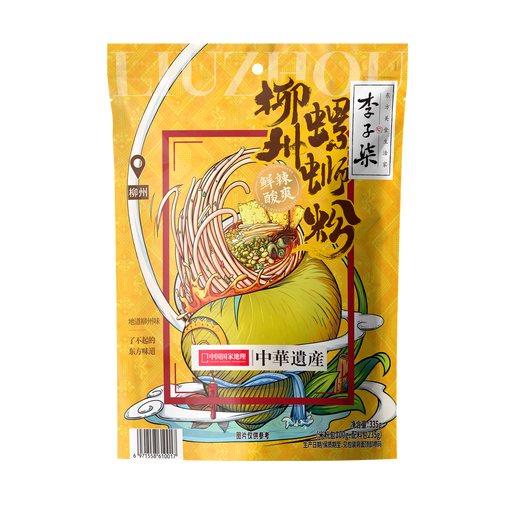
Why This Fits Their Persona: For the foodie eager to try something genuinely different, this Luosifen (river snail noodle) kit offers a complex and powerful flavour profile—sour, spicy and deeply savoury—that is a world away from standard instant ramen.
This directly counters the "authentic flavour illusion" by providing a complete kit with multiple components (sour bamboo, pickled beans, peanuts) to build a truly authentic and specific regional Chinese dish.
Includes all the traditional toppings for a complete meal experience. The generous 330g portion is substantial.
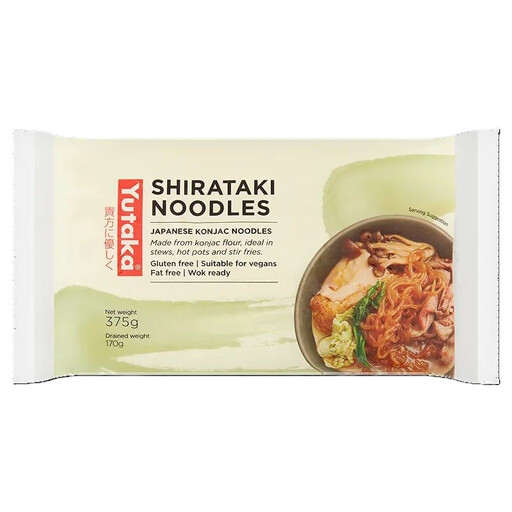
Why This Fits Their Persona: Perfect for anyone on a low-carb, keto, or gluten-free diet. These konjac flour noodles serve as a blank canvas, ready to absorb the flavour of any healthy broth or sauce you add, without the carbs of traditional noodles.
This avoids the "hidden dietary deal-breakers" pitfall entirely. The ingredients are simple and transparent: water, konjac flour and a firming agent. It contains no major allergens, gluten, or animal products.
Extremely low in calories (10 kcal per 100g) and carbohydrates. Pre-cooked and ready to use after a quick rinse.
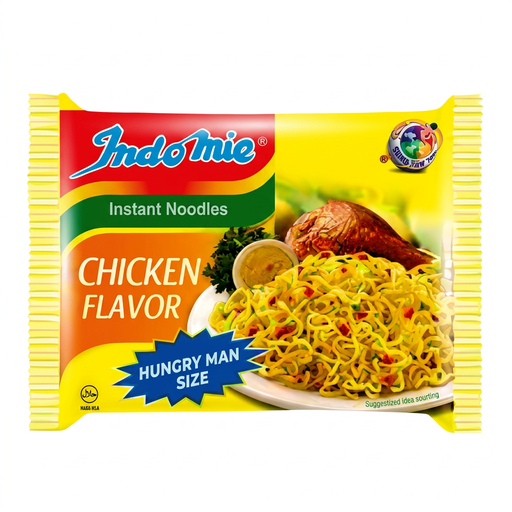
Why This Fits Their Persona: When you need a large, filling and affordable meal, the "Hungry Man Size" from Indomie is a classic choice. This bulk case of 24 packs offers excellent value and ensures the cupboard is always stocked for a quick, satisfying meal.
This tackles the "misleading portion size" pitfall head-on. At 180g per pack, it is significantly larger than standard instant noodles, providing a genuinely substantial meal that lives up to its name.
Excellent value when purchased in bulk. The large portion size is designed to be very filling, and the classic chicken flavour is a reliable crowd-pleaser.
We have compiled a complete, real-time list of products that fully satisfy these strict selection criteria and UK safety regulations.
1. Are instant noodles an unhealthy choice? Like many convenience foods, instant noodles are best enjoyed in moderation as part of a balanced diet. They can be high in sodium and saturated fat. To make them a more rounded meal, consider adding fresh ingredients like a soft-boiled egg, steamed vegetables (like bok choy or carrots), spring onions, or some leftover cooked chicken or tofu.
2. How can I make my instant noodles taste better? A few simple additions can elevate any bowl of instant noodles. Try a dash of sesame oil for nuttiness, a spoonful of chilli crisp for texture and heat, or a splash of soy sauce for extra umami. Fresh garnishes like chopped coriander, spring onions, or a squeeze of lime can also brighten up the flavour significantly.
3. What is the difference between ramen, soba, and udon? These are all types of Japanese noodles. Ramen are typically thin, wheat-based noodles served in a meat or fish-based broth. Udon are thick, chewy wheat noodles with a milder flavour, often served in a simple, hot broth. Soba noodles are made from buckwheat flour, giving them a slightly nutty, earthy flavour and can be served either hot in a soup or cold with a dipping sauce.