
24/7 Customer Support

Free returns

Same-day & Next-day Delivery

Quality Guaranteed

Unlock Your Welcome Offers: FREE Delivery | Up to 80% OFF | Free 30-day JoyPlus trial
Download the APP
From a quick lunch for busy professionals to a comforting supper for students, instant noodles have become a staple in many UK kitchens. Yet, the sheer variety can be overwhelming. Navigating the world of instant noodles often means sifting through packets promising "authentic" flavours that fall flat or ending up with a texture that is nothing like the picture on the packaging. As a Joybuy Product Recommendation Officer, my role is to help you see past the marketing and choose a satisfying meal. This guide will highlight common pitfalls and clarify what to look for, so you can find the perfect quick noodle meals for your taste.
Many shoppers find themselves disappointed after their purchase. Here are a few frequent issues and how to sidestep them:
To ensure you get a satisfying bowl every time, pay attention to these key characteristics.
The heart of any instant noodle dish is the noodle itself. The most common type is made from wheat and is deep-fried, which allows it to cook in just a few minutes with boiling water. These are great for convenience.
However, for a chewier, more substantial bite, look for non-fried or air-dried noodles. These often require a few minutes of boiling on the hob but reward you with a texture closer to that of fresh noodles. You will also find a variety of styles, each offering a different experience:
Instant noodles generally come in two formats:
To move beyond generic seasonings, look for specific flavour profiles. Rich, pork-bone tonkotsu and savoury, soy-based shoyu are cornerstones of Japanese cuisine. For those who enjoy heat, the world of spicy noodles is vast, from the tangy spice of Korean kimchi to the numbing heat of Sichuan peppercorns. Unique profiles like savoury salted egg or rich black bean sauce also provide a departure from the usual chicken or beef flavours. Checking the country of origin can often be a good indicator of the intended flavour style.
Based on these factors, here are a few recommendations matched to different preferences.

Why This Fits Their Persona: This is for the UK-based foodie who actively seeks out intense heat and is familiar with the viral "fire noodle challenge." They want a consistently fiery and flavourful experience, not a mild disappointment.
It completely sidesteps the "spice level gamble." The Samyang brand is known globally for its signature intense heat, providing a reliable and challenging level of spice in every cup.
The convenient cup noodles format is ready in minutes. It delivers a bold, savoury chicken flavour that balances the intense chilli heat.
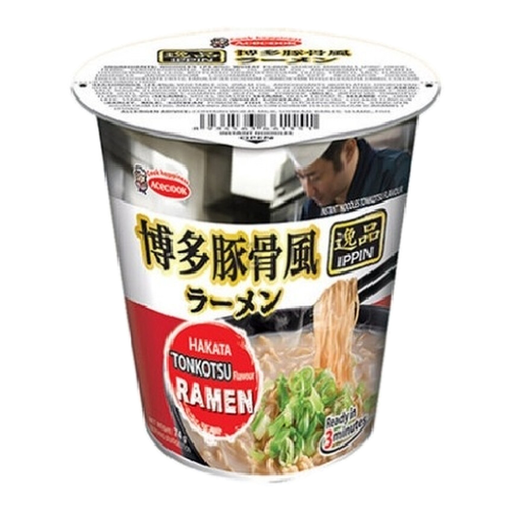
Why This Fits Their Persona: This person appreciates the subtle, rich flavours of authentic Japanese ramen and wants to replicate a restaurant-quality experience at home with minimal fuss. They prioritise broth quality over intense spice.
It avoids the "authentic flavour" ambiguity by delivering a specific, regional Japanese flavour: Hakata-style Tonkotsu. The creamy, rich pork bone broth is distinct and not a generic "pork flavour."
Features a rich, creamy broth with sesame notes. The noodles are designed to be chewy and smooth, complementing the soup base well.
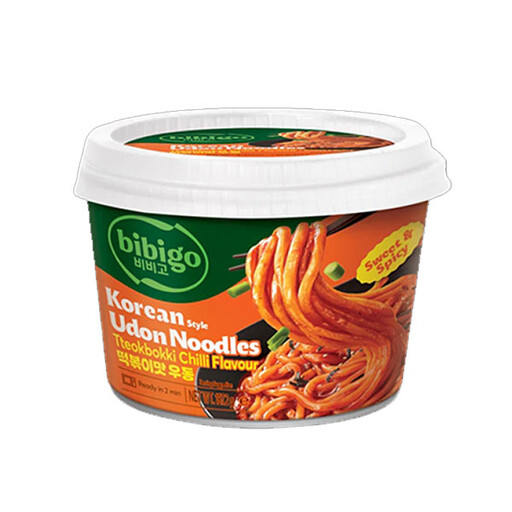
Why This Fits Their Persona: This person prioritises texture. They want a substantial, satisfyingly chewy noodle that feels like a proper meal, and they enjoy the popular flavours of Korean street food.
It directly counters the "noodle texture mismatch" pitfall. Instead of thin ramen, it provides genuine, thick udon noodles that deliver the promised chewy and substantial bite.
This product offers a fusion of two beloved Korean dishes: udon and tteokbokki. The thick, spicy-sweet chilli sauce coats the noodles perfectly for a rich flavour experience.
We have compiled a complete, real-time list of products that fully satisfy these strict selection criteria and UK safety regulations.
Upgrading your instant noodles is simple. Consider adding a soft-boiled egg, some sliced spring onions or leftover cooked meat like chicken or pork. A handful of vegetables like bok choy, sweetcorn or mushrooms can add both nutrients and texture. A drizzle of sesame oil or a sprinkle of toasted sesame seeds right before serving can also elevate the flavour.
While both are noodle soups, they have distinct characteristics. Japanese ramen places a strong emphasis on the broth, which can take hours or days to prepare in a restaurant setting. Common styles include tonkotsu (pork bone), shoyu (soy sauce) and miso. The toppings are also a key component. Korean ramyun, on the other hand, is often (though not always) spicier and the noodles themselves tend to be thicker and curlier. The flavour profiles are typically bold and punchy.
The main difference is convenience. Cup noodles come in a heat-resistant pot, so you only need to add boiling water, making them ideal for offices or when you do not have access to a hob. Packet noodles require you to cook them in a separate pot. While the flavourings are often similar, some find that packet noodles offer a slightly larger portion and a better noodle texture, as they are boiled rather than just steeped.