
24/7 Customer Support

Free returns

Same-day & Next-day Delivery

Quality Guaranteed

Unlock Your Welcome Offers: FREE Delivery | Up to 80% OFF | Free 30-day JoyPlus trial
Download the APP
For many of us across the UK, from students in halls to busy professionals in city flats, a good bowl of instant noodles is more than just a quick meal—it's a source of comfort and flavour. Yet, the ever-expanding selection can be overwhelming. Navigating a wall of brightly coloured packets, all promising an "authentic taste," often leads to disappointment and a pantry full of noodles that miss the mark.
As a Joybuy Product Recommendation Officer, my role is to help you see past the marketing jargon. Before you add another multipack to your basket, let's look at the common pitfalls that can lead to a less-than-satisfying noodle experience.
To avoid these issues, focus on a few key details on the packaging. This will give you a much clearer idea of the quality and flavour profile you can expect.
The heart of any great instant noodle is its broth. Look past the front of the packet and inspect the ingredients list for the soup sachet.
Not all instant noodles are created equal. The type and preparation method significantly impact the final texture.
The format determines the convenience and versatility of your meal.
Based on these practical criteria, here are a few recommendations tailored to different needs and preferences.
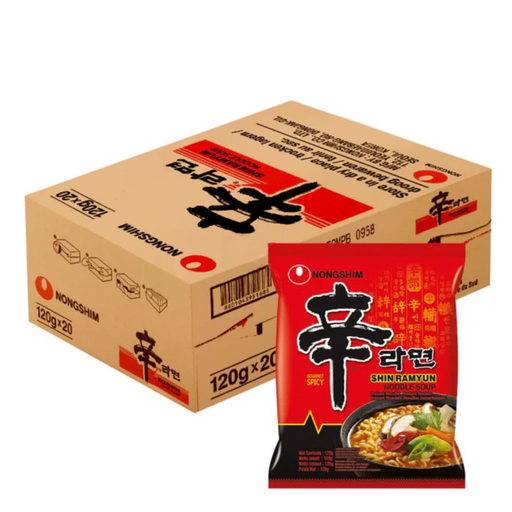
Why This Fits Their Persona: For those who crave genuine heat, Shin Ramyun is a globally recognised staple. Its signature spicy broth is consistent and satisfying, making it a reliable choice for anyone seeking authentic Korean ramen. This 20-pack box is ideal for stocking up.
This product's reputation is built on its distinct, fiery flavour, avoiding the "generic spice" pitfall. The noodles are famously chewy and hold their texture well, countering the mushy noodle problem.
A deep, savoury and spicy broth with a consistent flavour profile. The noodles are thick and springy, providing a satisfying chew.
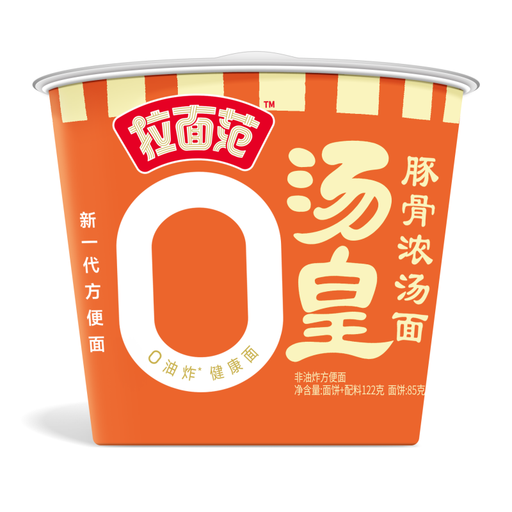
Why This Fits Their Persona: When time is short, convenience is paramount. This cup noodle offers a rich tonkotsu ramen experience in just three minutes with only boiling water needed. It's a perfect solution for a quick office lunch or a late-night meal without any washing up.
It sidesteps the "salty water" trap with multiple seasoning sachets, including a soup base and a flavour oil, to create a richer broth. The noodles are non-fried, which helps them retain a chewy texture and avoid becoming mushy.
Extremely convenient cup format. The non-fried noodles and complex seasoning packets provide a higher quality experience than typical cup noodles.
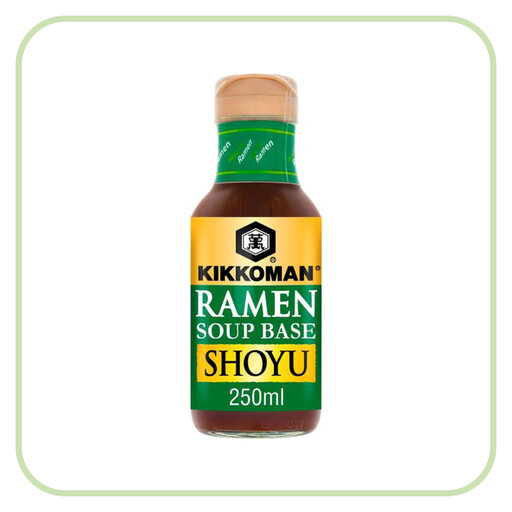
Why This Fits Their Persona: This isn't a noodle kit, but a high-quality, versatile ramen soup base. It's perfect for those who want to build their own ramen bowl from scratch, choosing their preferred noodles (like fresh udon) and customising toppings like chashu pork, eggs and nori.
It directly solves the "generic flavour" pitfall by providing a rich, authentic shoyu base made with naturally brewed soy sauce. You control the noodle quality entirely, eliminating the risk of a mushy texture.
Offers complete control and customisation for a restaurant-style experience at home. The concentrated format is versatile and can be used in other dishes.
We have compiled a complete, real-time list of products that fully satisfy these strict selection criteria and UK safety regulations.
1. How can I make my instant noodles taste better? The easiest way to elevate any bowl of instant noodles is by adding fresh ingredients. A soft-boiled egg, some chopped spring onions, sautéed mushrooms or even leftover cooked chicken or pork can transform your meal. A drizzle of sesame oil or a spoonful of chilli crisp right before serving also adds a great layer of flavour and texture.
2. Are cup noodles and packet noodles the same? Not quite. While both are convenient, they serve slightly different purposes. Cup noodles are designed for ultimate ease—just add boiling water. Packet noodles require a hob and a pot, but this method often results in a better noodle texture and gives you the opportunity to add other ingredients directly into the pot as it cooks.
3. What is the main difference between Japanese and Korean ramen? While there is immense variety within both cuisines, there are some general distinctions. Japanese ramen often focuses on deep, umami-rich broths made from pork bones (tonkotsu), soy sauce (shoyu) or fermented soybean paste (miso). Korean ramen, on the other hand, is frequently celebrated for its bold and spicy flavour profiles. A classic example is Shin Ramyun, known for its satisfyingly fiery and savoury broth.