
24/7 Customer Support

Free returns

Same-day & Next-day Delivery

Quality Guaranteed

Unlock Your Welcome Offers: FREE Delivery | Up to 80% OFF | Free 30-day JoyPlus trial
Download the APP
Instant noodles can be a practical cupboard staple for students, office workers, families and anyone who needs a quick noodle meal. However, attractive packaging and large multipacks do not always tell you what matters at the kitchen counter. The difference between a satisfying bowl and an unwanted cupboard item often comes down to format, serving size, spice level and allergen information.
This guide explains the details worth checking before buying Korean instant noodles, Japanese ramen, stir-fry noodles or bulk instant noodles online.
Not every product labelled ramen noodles is designed to be served in broth. Some products, including Indomie Mi Goreng and several Samyang Buldak varieties, are drained after cooking and coated with sauce. Others require the noodles and seasoning to simmer together in a measured amount of water.
Buying the wrong format can affect the final texture and flavour. Always check whether the instructions say to drain the noodles, leave some water in the pan or serve the seasoning as a soup.
Spicy ramen can vary considerably. Korean hot chicken noodles are generally intended for people who enjoy pronounced chilli heat, while products such as mild Jin Ramen offer a gentler profile. Creamy seasoning does not necessarily mean low heat; carbonara and cheese-style sauces may still contain substantial chilli ingredients.
Pack weight also matters. A 70g noodle cake may suit a lighter snack, whereas 120g to 140g servings are more substantial but can contain more calories, salt and fat per bowl.
A large box may reduce the cost per serving, but only if the flavour suits your household. A 40-pack of Nongshim Shin Ramyun is useful for regular ramen enthusiasts, shared households or workplace storage. It may be excessive if you are trying a flavour for the first time.
Compare servings, net weight and storage space, rather than judging value by the number printed on the front.
Choose based on where and how you plan to eat:
Most products in this selection range from 80g cups to 140g packets. Check the stated water volume and cooking time before purchasing. Nissin Demae Ramen requires approximately 500ml of boiling water and three minutes, while Nongshim Shin Ramyun uses approximately 550ml and four to five minutes.
If you are buying for an office, a cup format may be more convenient than a saucepan product. For home cooking, packet noodles offer more flexibility and make it easier to add toppings.
UK shoppers should read the allergen statement, particularly when buying Asian noodles from different cuisines. Common allergens in this category include wheat or gluten, soya, sesame, milk, egg, celery, mustard and fish or shellfish traces.
For comparison, the supplied product information lists Nissin Demae Sesame at 1.0g salt per 100g, while Samyang Buldak Carbonara Small Bowl lists 2.6g salt per 100g. Figures can vary by product format and preparation, so check the packaging and consider the complete prepared serving.
Some varieties contain meat-derived ingredients, such as chicken or pork flavourings. Others may include milk powder, cheese powder or egg white. If you follow a dietary preference or need to avoid an allergen, review the full ingredient list rather than relying on flavour names.

Why This Fits Their Persona: A five-pack gives new ramen shoppers several servings without committing to a large box. Its three-minute preparation also suits quick weekday meals.
The product is clearly sold as five 100g soup-style packs, helping buyers avoid confusing a trial multipack with a bulk case.
Sesame seasoning oil; 500ml water and three-minute cooking instructions.
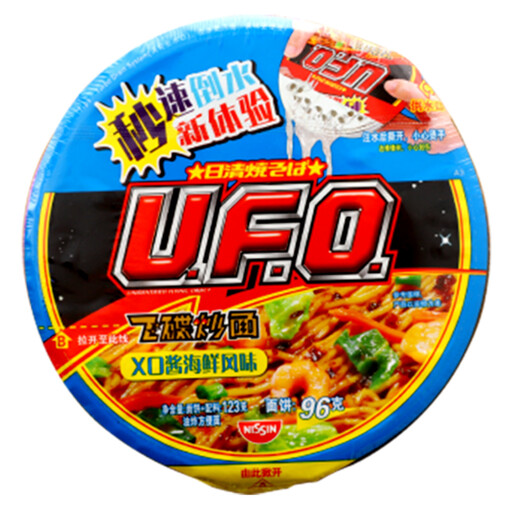
Why This Fits Their Persona: The separated seasoning components create a more involved stir-fry preparation for shoppers who value layered sauces and toppings.
It is identified as a stir-fry bowl, so shoppers can plan for drained noodles rather than expecting a conventional soup.
123g serving; includes seasoning powder, oil, sweet soy sauce, chilli powder and fried onion.

Why This Fits Their Persona: A 40-pack is suited to families, shared accommodation, office kitchens and regular spicy ramen buyers who have enough dry storage.
The box quantity and total weight are stated clearly: 40 individual 120g packs, rather than an unclear mixed bundle.
4.8kg total weight; dried vegetable and mushroom flakes included; cooks in approximately four to five minutes.
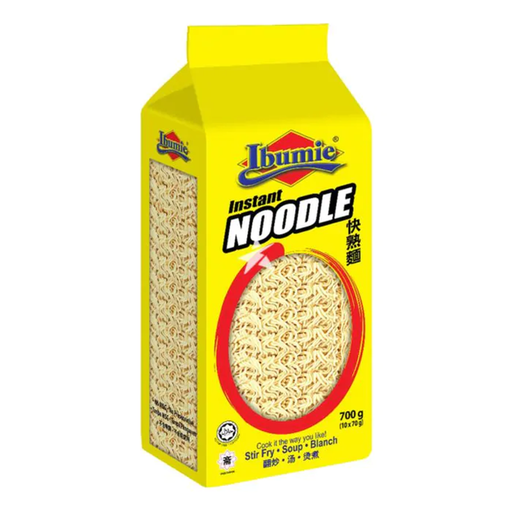
Why This Fits Their Persona: A plain noodle base works well for cooks who want to control the broth, sauce, toppings and portion additions.
There is no pre-seasoned soup sachet to restrict your recipe choices or leave unused after a flavour experiment.
Ten individual 70g servings; suitable for soup, stir-fry, noodle salads and custom sauces.
We have compiled a complete, real-time list of products that fully satisfy these strict selection criteria and UK safety regulations.
For stronger heat, consider Korean instant noodles such as Samyang Buldak Hot Chicken Carbonara, Buldak Cheese or Nongshim Shin Ramyun Toomba. These are stir-fry-style products, so follow the draining instructions and check the allergen information for wheat, soya, milk or mustard.
For a milder Korean-style bowl, Otoki Jin Ramen Mild Multipack contains five 120g servings with dehydrated vegetables. Otoki Jjajang Ramen provides a black-bean sauce format rather than a conventional soup. For Japanese ramen, Nissin Demae Sesame and Chicken offer familiar three-minute soup preparation. Chinese options include Bai Xiang pork bone flavour and Uni-President Braised Beef Noodles.
Most packet ramen noodles take around three to five minutes once the water is boiling. Cup noodles usually require boiling water and standing time, while frozen meals such as Café Asia Chicken Ramen require freezer storage and microwave preparation. Follow the instructions on the individual pack.
Dry instant noodles can be practical for cupboard storage when kept sealed in a cool, dry place away from direct sunlight and moisture. Check the best-before information on arrival and rotate older packs first. A 30- or 40-pack should only be purchased when you have enough space and already know you enjoy the flavour.
Yes. Soup noodles can be served with spring onions, egg, mushrooms or vegetables, while stir-fry noodles can be mixed with greens, tofu or cooked protein. Plain noodles offer the greatest control over sauces and seasoning. Remember that additions change the overall nutritional content, and packaged seasoning may already be high in salt.