
24/7 Customer Support

Free returns

Same-day & Next-day Delivery

Quality Guaranteed

Unlock Your Welcome Offers: FREE Delivery | Up to 80% OFF | Free 30-day JoyPlus trial
Download the APP
By Joybuy Product Recommendation Officer
Instant noodles are a practical cupboard staple for students, office workers, families and anyone who needs a quick meal without extensive preparation. However, choosing the right pack involves more than picking the most eye-catching flavour. Korean ramen, Chinese instant noodles, Japanese instant noodles and stir-fry noodles can differ considerably in spice level, preparation method, portion size, allergens and salt content.
This guide explains the main buying pitfalls and the specifications worth checking before you purchase, followed by tailored recommendations for different shopping needs.
A 40-pack of bulk instant noodles may reduce the cost per serving, but it only represents value if you will use the flavour regularly and have suitable storage space. A large box can also limit variety, particularly if household preferences differ.
For occasional meals, a 5-pack may be more practical. For families, offices, food-service buyers or regular noodle eaters, compare the total weight and number of servings, not only the headline pack price.
Terms such as “hot”, “fire” or “chicken challenge” can be used prominently on packaging, while the actual heat may be unsuitable for some diners. Samyang Buldak noodles, for example, are positioned as extremely spicy products. Cheese ramen and carbonara ramen may taste creamier, but they can still contain a strong chilli sauce.
If you are new to spicy ramen, consider a mild Korean ramen or a sesame-flavoured soup before moving to hotter varieties. You can also use part of the sauce sachet, although this changes the intended flavour and does not necessarily reduce the salt proportionally.
Instant noodles commonly contain wheat, soya and sesame, while some products also list milk, celery, mustard, molluscs or other allergens. Oyster sauce and beef-flavoured noodles may contain molluscs or soya even when those ingredients are not obvious from the front of the pack.
Check the full ingredient list and allergen statement before buying. Nutrition panels should also be read by serving, where available, rather than assuming that “per 100g” equals one prepared bowl. Many products are relatively high in salt, fat or saturated fat, so they are best included as part of a varied diet.
The preparation format affects both taste and convenience:
Check the instructions carefully. Some stir-fry products require a small amount of water to remain in the pan, while soup noodles require a specified volume for the correct broth strength.
Individual packs in the supplied range vary from approximately 80g to 140g, while some multipacks contain 30 or 40 servings. A bigger portion may be useful after a long day, but it also means more calories, salt and fat if the entire pack is consumed.
For cost comparison, calculate:
Price per serving = total pack price ÷ number of individual packs
Then check the net weight. A 5-pack is convenient for trying a flavour, while noodle multipacks and bulk instant noodles suit planned meal preparation, shared households and workplace cupboards.
Look for the following before adding a product to your basket:

Why This Fits Their Persona: A five-pack provides a manageable way to try Indonesian stir-fry noodles without committing to a bulk box. The dry format is suitable for quick lunches, snacks or student meals.
The pack size reduces the risk of being left with a large quantity of an unfamiliar flavour. Its instructions clearly require draining before adding the sachets.
Dry stir-fry format; includes seasoning paste, oil and crispy fried onions. Contains wheat, soya and celery.
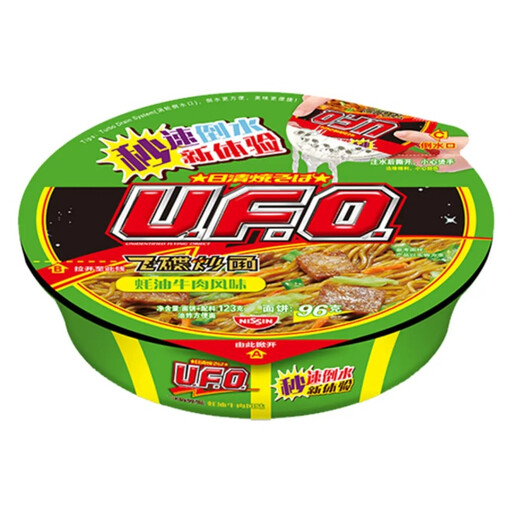
Why This Fits Their Persona: Suitable for shoppers seeking a sauce-led Japanese-style noodle meal rather than a conventional soup. The thick oyster sauce and beef flavour are designed for a savoury, dry-tossed finish.
The product description specifies steep, drain and mix preparation, helping shoppers avoid expecting a broth-based ramen.
123g serving; smooth, elastic wheat noodles; oyster and beef sauce. Contains wheat, soya and molluscs.

Why This Fits Their Persona: A 40-pack is designed for households, offices, catering cupboards and regular Korean ramen shoppers who already know they enjoy a spicy soup format.
The large format is clearly stated as 40 individual 120g packs, so buyers can assess storage needs and total quantity before ordering.
Individual portions; soup preparation in approximately four to five minutes; contains wheat and soya.

Why This Fits Their Persona: A mild Korean-style soup with noodles, seasoning and dehydrated vegetables suits households wanting a less intense option for quick meals.
The word “mild” and the five-pack format make the expected heat level and commitment clearer than choosing an unspecified spicy ramen.
120g individual packs; soup powder and vegetable mix included; contains wheat and soya.
We have compiled a complete, real-time list of products that fully satisfy these strict selection criteria and UK safety regulations.
Instant noodles can be adapted without changing the cooking method:
Plain noodles such as ramen sari are particularly useful for homemade soups, hot pots and mixed dishes because the final seasoning can be controlled separately.
Yes. Many products are ready in around three to five minutes when prepared according to the packet instructions. Soup noodles need boiling water and seasoning, while stir-fry noodles require draining before the sauce is added. Always cook the noodles fully and consume them promptly after preparation.
Unopened packets should generally be kept in a cool, dry place away from direct sunlight and moisture. The precise shelf life varies by product, so check the best-before date printed on the packaging. Once opened, prepare and consume the contents according to the product instructions.
They can offer a lower cost per serving, but this depends on the product price, pack quantity and delivery cost. Compare the total number of portions and net weight, then consider whether you have enough cupboard space and whether the flavour suits everyone who will be eating them.