Budget-focused students with microwave access
You may want a low-cost warm lunch that can be repeated across lecture days, with a microwaveable bowl and the liquid specified on the pack.


Choose plain original sachets when you have access to the preparation method stated on the pack and want a repeatable warm lunch between lectures. If you only have hot water, choose a porridge pot explicitly designed for that method; check the exact ingredients and highlighted allergens before buying.
You may want a low-cost warm lunch that can be repeated across lecture days, with a microwaveable bowl and the liquid specified on the pack.
You need a portable format that is explicitly intended for hot-water preparation, rather than assuming every sachet can be made without milk or a microwave.
You may be choosing beyond pack size because protein content, milk, soy, oats or possible cross-contact allergens affect whether a product is suitable.
Start with the facilities available during your break, then compare like-for-like portions and read the label for the exact variant.
| Priority | What to check | Your needs |
|---|---|---|
| Repeat-lunch value | Compare sachet count and portion weight on the same basis. A larger box does not automatically mean more lunches of the same size. | I want to compare equivalent portions before choosing a pack for regular lecture-day lunches. |
| Preparation facilities | Check the required appliance, bowl and liquid. Some sachets use a microwave method, while a porridge pot may be designed for hot water. | My lunch needs to work with the equipment I can reliably use between lectures. |
| Ingredients and nutrition | Compare the exact dry-serving information, including fibre, sugars and ingredients. Plain and flavoured variants are not interchangeable. | I want the label to fit how I plan to use this as a regular lunch, rather than choosing by flavour alone. |
| Allergen information | Read the ingredients list, emphasised allergens and any cross-contact statement on the current pack. Check each variant separately. | I need to know whether the exact product contains, or may contain, ingredients relevant to me. |
Pack sizes can differ even where portions are the same weight, so comparing only the total on the shelf can hide the difference between repeat-lunch portions.
Compare the number of sachets and their individual weights, then check the retailer’s current unit information before buying.
Some sachets specify milk and microwave preparation, so a pack may be impractical if you do not have a bowl or microwave on campus.
Check the preparation panel before buying. Choose a pot explicitly designed for hot water when a microwave and bowl are not reliably available.
Oat products may contain milk or soy ingredients, or carry cross-contact warnings for cereals and other allergens. A category name is not enough for an individual allergy or intolerance decision.
Use the current pack label as the decision point rather than relying on an older listing, a product photo or the brand name alone.
Protein sachets can add soy ingredients, while flavoured products can have different sugars, salt and ingredient profiles from plain original sachets.
Compare the dry-serving nutrition and ingredients for the exact variant, then decide whether the flavour or added protein suits your usual lunch.
Own-label original instant-oat sachets for price-led shoppers with microwave or hob preparation available.
A range of microwaveable sachets, hot-water pots and protein sachets for shoppers choosing a format around campus facilities and ingredients.
A supermarket option for shoppers who want portioned wholegrain porridge sachets with microwave preparation.
An oat specialist with quick oats, organic sachets and pot formats for shoppers comparing oat style and format.
Joybuy product options for portioned instant-oat lunches, including flavoured, plain and protein-focused sachet packs.
 No image available
A microwave option for lecture lunches where protein is a specific priority.
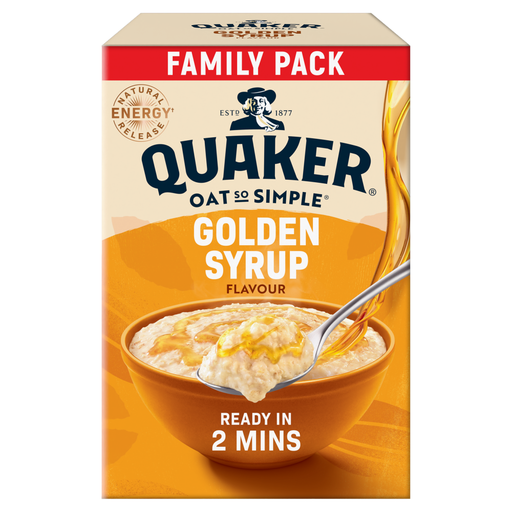
Eight 43g sachets with 9g plant protein per serving; stated microwave preparation takes 2½ minutes. Contains oats and soya and may contain milk, peanuts and nuts.
 No image available
A larger pack for repeat microwave lunches where milk and a bowl are available.
Twenty sachets with a stated two-minute microwave method. Each 36g sachet lists 6.4g sugars and 0.20g salt; contains oats and may contain barley, wheat and soy.
 No image available
A portioned flavoured option for campuses with microwave access and a suitable bowl.
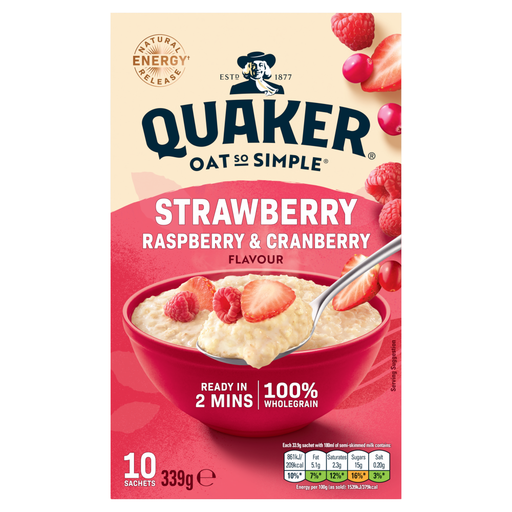
Ten 33.9g sachets with a stated two-minute microwave method using milk. The listing gives 19g sugars per 100g; contains oats and may contain barley, soya and wheat.
 No image available
A plain, larger-portion choice for microwave-access lecture lunches.
Six 38.5g sachets of 100% wholegrain oats, with 3.5g fibre per sachet. The stated microwave preparation takes 2½ minutes and requires a bowl.
 No image available
A fruity portioned option for repeat lunches where its preparation method suits your facilities.
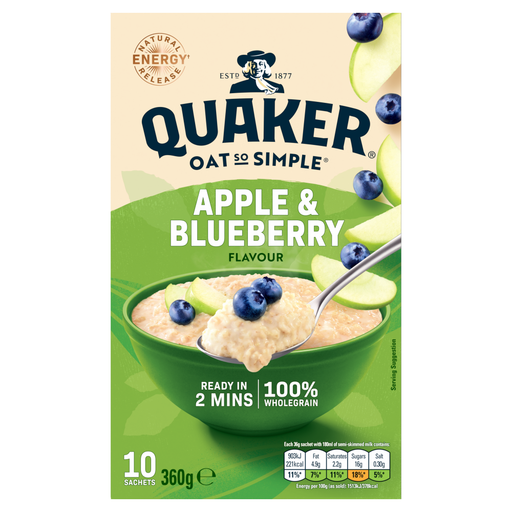
Ten 36g servings, described as ready in two minutes, with 2.6g fibre and 7.7g sugars per serving. Contains oats and may contain wheat, barley and soybeans.
Compare sachet count and serving weight on the same basis. A larger box is not automatically better value if its individual portions differ, so check the retailer’s current unit information before buying.
No. Follow the exact pack instructions. Some original sachets use a microwaveable bowl and milk, whereas Quaker’s Original Pot is specifically designed to be prepared by adding hot water.
Read the ingredient list, emphasised allergens and any may-contain statement on the exact pack. The Food Standards Agency states that allergens in prepacked food must be emphasised in the ingredients list, and oat products can differ substantially between variants.
Not automatically. Quaker Protein Original provides 8.1g protein per sachet according to Quaker, but it is an eight-sachet format, contains soy ingredients and uses a microwave preparation route. Choose it when added protein matters more to you than a plain original option.
Keep the outer pack in a cool, dry place and follow its best-before instructions. Prepare and consume an individual sachet after opening, following the directions on that exact product.